

Embarking on the path to becoming a landlord in bustling New York can be as daunting as navigating the city's subway system for the first time. With its complex rental laws and competitive market, property ownership in NY requires a savvy touch. Luckily, we're here to help. Our guide will unfold simple steps to help you transform from homeowner to successful landlord, ensuring your journey is smooth and profitable. Dive in as we lay out your blueprint for rental success!
Don't forget to elevate your property management skills by incorporating the invaluable asset of New York rental property insurance.
Key takeaways
- Know New York rental laws and rights for both landlords and tenants.
- Set a fair rent price by looking at what others charge for similar homes.
- Have your property in good shape, fix things that are broken, and make sure it's safe.
- Get the right insurance to protect your place from damage or legal problems.
- Choose tenants carefully by checking their past renting history and make sure they can pay rent.
Understanding the role of a landlord
Stepping into the role of a landlord is about more than just owning property; it's about embracing responsibilities that range from legal compliance to creating a safe and habitable environment for your tenants.
This understanding sets the foundation for success in New York’s dynamic rental market, where knowledge and preparation are as crucial as the real estate itself.
Responsibilities and expectations
Being a landlord means you have important jobs to do. You must keep your property safe, clean, and in good shape. This includes fixing things when they break and making sure the building is secure for everyone living there.
It's not just about renting out space; it's about providing homes where people feel comfortable and protected.
You also need to know the rules of renting in New York. Treat all tenants fairly and follow fair housing laws. Make sure the rent you ask for fits with what's allowed under rent regulation laws.
You are not just a property owner; you're responsible for respecting tenant rights and ensuring that each lease agreement protects both sides equally.
Legal and financial considerations
Becoming a landlord means you must know the rules and have enough money to take good care of your property. You need to give heat, hot water, and fix things that break. It's not just about getting rent money; you also have to pay for repairs and follow housing laws.
In New York, it's really important to learn tenant rights and the laws about landlords and tenants. If you don't know these things well, you might end up in trouble or paying fines.
Also, get ready for costs that can pop up without warning when you own rental homes. Always be honest with your tenants about these laws so everyone is happy and there are no big problems.
Steps to becoming a landlord in New York
Embarking on the path to becoming a landlord in New York requires a blend of due diligence and strategic planning. From acquainting yourself with state-specific rental laws to crafting an ironclad lease, each step is crucial for laying the groundwork of successful property management and fostering a profitable venture in the dynamic New York real estate market.
Research New York’s rental laws
To become a landlord in New York, you need to know the rules. These laws protect both you and your tenants. For example, if you want to raise the rent by 5% or more, you must tell your tenants 30 days before.
This is just one of the many rental regulations in New York.
New York's laws also cover how to handle evictions and what needs to be in a lease agreement. You must take care of your property and fix any problems quickly. If someone gets hurt on your property because it was not cared for right, that could cost you a lot of money.
So, learn all about being a landlord now — it will help keep things smooth with your renters and save trouble later.
Familiarize with co-op or condo sublet policies
If you're looking to rent out a co-op or condo, it's important to know the rules. Each building can have different policies for subletting. Some might say you have to live there for a while before you can rent it out.
And don't forget, if you want someone else to live in your place, the co-op board has got to say okay. They will look at your renter and decide if they are good for the building.
Make sure that anyone who rents from you knows about all the house rules. That way everyone stays happy and no one breaks any regulations. Next up is getting your property ready for tenants!
Preparing your property for tenants
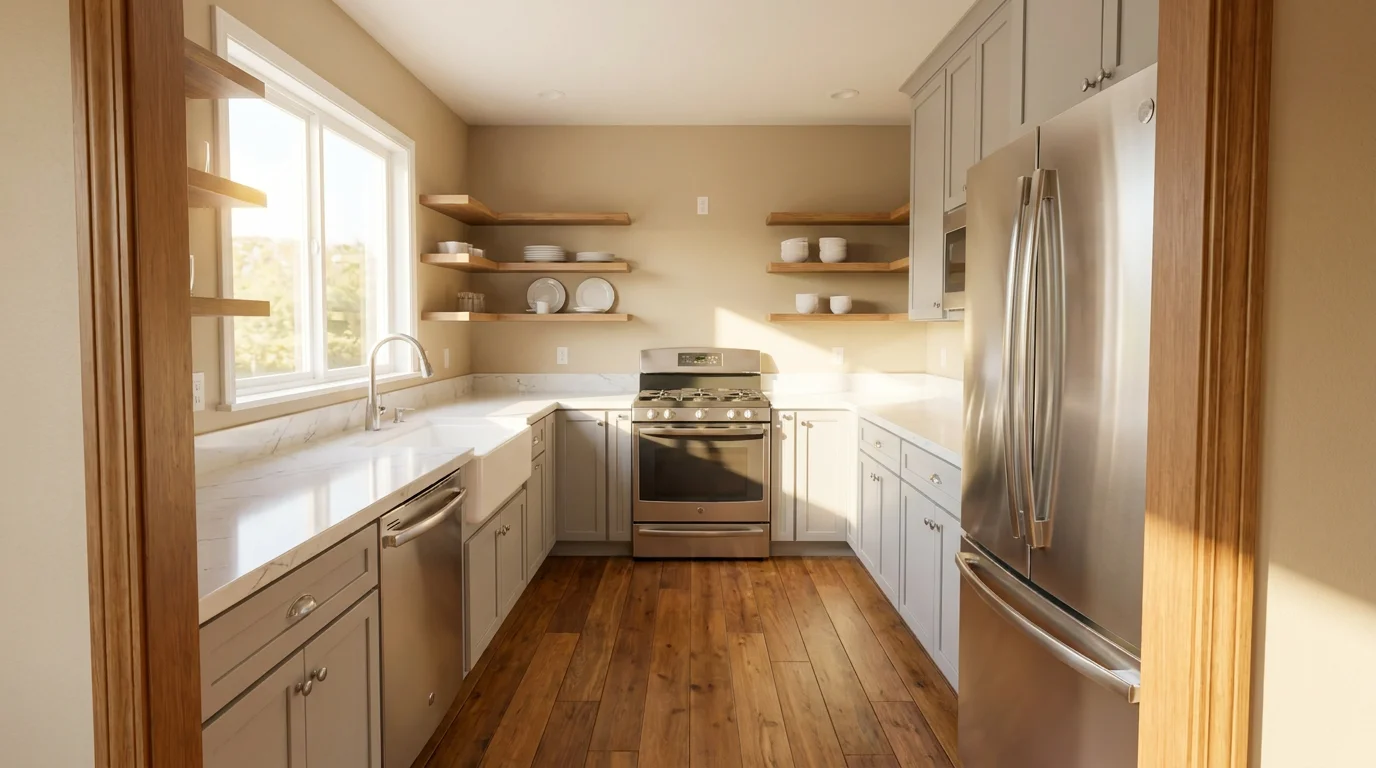
Once you know the rules for subletting your co-op or condo, it's time to get your place ready for people to live in. Make sure the home is clean and everything works right. Fix broken stuff like leaky faucets or holes in walls.
Check that all lights and appliances are safe and do their jobs. It's also smart to paint the walls so everything looks fresh.
Next, think about buying landlord insurance to keep your property safe from damage or legal issues. It will help cover costs if something bad happens that you didn't plan for. Keep money set aside too for other surprise expenses that might pop up after tenants move in.
This way, you can fix things fast and keep them happy without stressing about the cost.
Establishing a fair market rent
After getting your property ready for people to live in, you need to set the right rent price. Look at the housing market and see what other landlords charge for homes like yours. This helps make sure your price is fair and that people will want to rent from you.
You also must follow New York's rules on rent control and how much you can ask for. Think about what your place offers, like a good location or extra stuff, when deciding on the price.
Charging too much could mean no one wants to rent from you, but going too low might mean losing money each month. Make smart choices based on good research so tenants feel happy with the deal they're getting.
Marketing your rental property effectively
To get people to rent your place, you need a good plan for showing it off. Take great photos and write up a clear description of your property. Share these online and in local places where people look for homes to rent.
Make sure you show why your property is special. Talk about the things nearby like parks, shops, or the subway.
Tell friends and family that you're looking for renters too. They might know someone who's searching for a place just like yours. As part of this process, make sure your rental is insured right so everyone feels safe and secure.
Next, learn how to pick the best person who wants to live in your property with "Screening Potential Tenants Thoroughly".
Screening potential tenants thoroughly
Screening potential tenants is key in making sure you find the right people for your rental property. You need to look at their past rental history, do a background check, and check if they have ever been kicked out before.
Make sure they can pay rent by checking their job and how much money they make. Use forms that ask permission to dig into their past.
It's important to follow all the rules when looking for new tenants in New York. This means using the right application forms and doing checks that are allowed by law. By being careful about who you let rent your place, you create a better chance for things to go smoothly later on.
Drafting a solid lease agreement
Making a good lease agreement is important. It sets clear rules for both you and your tenant. You should know New York’s housing laws well to do this right. The paper you write will say what the landlord must do and what the renter has to do too.
It's smart to work with people who manage properties so everything needed is in there.
Your lease should talk about many things like how much rent costs, when it's due, and what happens if someone breaks the rules. It needs policies on pets or fixing things when they break.
Make sure it follows all laws about safe homes for tenants. A clear and complete lease helps avoid problems later.
New York rental markets by city
New York State offers diverse rental opportunities across its urban centers, college towns, and emerging markets. Understanding the unique characteristics of each market helps landlords make informed investment decisions and tailor their property management strategies to local conditions.
New York City and the five boroughs
New York City represents the state's most competitive and regulated rental market. The city's five boroughs each have distinct characteristics that landlords must understand.
Brooklyn has transformed into one of the hottest rental markets, with neighborhoods like Williamsburg and Park Slope commanding premium rents. Strong demand from young professionals and families keeps vacancy rates low, though landlords face strict rent stabilization laws and tenant protections. Queens offers more affordable options while still providing easy access to Manhattan, making it attractive for families and immigrants seeking value. The borough's diverse neighborhoods support steady rental demand across various price points.
Hudson Valley and surrounding areas
The Hudson Valley has seen increased rental demand as remote work enables people to leave the city while maintaining metropolitan area connections. Poughkeepsie serves as a regional hub with Vassar College and IBM facilities driving consistent rental demand. Newburgh and Middletown are emerging markets where landlords can find properties at lower price points while still accessing the New York metropolitan area.
Peekskill has become increasingly popular with commuters using Metro-North Railroad, while Hudson attracts renters seeking small-town charm with cultural amenities. Westchester County encompasses some of the state's most affluent communities, where landlords can command high rents but must meet exacting property standards. Yonkers, the county's largest city, provides more affordable options while maintaining convenient access to New York City.
Long Island
Long Island presents unique opportunities for landlords, particularly in Nassau and Suffolk counties. Strong school systems attract families willing to pay premium rents for quality housing. The region's beaches and suburban lifestyle appeal to renters seeking alternatives to city living, while proximity to Manhattan supports consistent demand from commuters.
Capital region and upstate cities
The Capital Region, anchored by Albany, benefits from stable government employment and multiple colleges including the State University of New York system. Troy is experiencing revitalization with Rensselaer Polytechnic Institute driving student housing demand, while Schenectady offers more affordable investment opportunities with Union College providing a built-in tenant base.
Syracuse combines university-driven demand from Syracuse University with employment from major healthcare and education institutions. Rochester benefits from strong healthcare and technology sectors, with the University of Rochester and Rochester Institute of Technology supporting steady rental demand. Buffalo has emerged as an affordable market with growing appeal, particularly as remote workers discover the city's low cost of living and revitalized neighborhoods.
College towns and smaller cities
College towns provide built-in rental demand but require landlords to understand academic calendars and student tenant dynamics. Ithaca, home to Cornell University and Ithaca College, maintains consistently high rental demand despite its small size. Binghamton serves Binghamton University students while also offering affordable housing for non-student renters.
Auburn in the Finger Lakes region provides opportunities in a smaller market with lower entry costs. Jamestown in western New York offers even more affordable investment options, though landlords should carefully research local economic conditions. Watertown benefits from Fort Drum military base, providing stable rental demand from military families and personnel.
Specialized markets
Niagara Falls presents opportunities for both long-term and short-term rentals given tourism appeal, though landlords should understand seasonal fluctuations. Hunter in the Catskills caters primarily to vacation and seasonal rentals, requiring specialized knowledge of short-term rental regulations and ski season dynamics.
Each New York market presents unique opportunities and challenges. Successful landlords research local regulations, understand tenant demographics, and ensure their properties meet area-specific standards while maintaining appropriate insurance coverage for their investment.
Tips for first-time landlords
Next up, let's look at some tips that are useful for people renting out their property for the first time.
Importance of rental property insurance
Having rental property insurance is a smart move for any landlord. It helps you keep your investment safe. If something bad happens, like a fire or theft, this kind of insurance can cover the cost to fix or replace things in the home.
Sometimes tenants might get hurt on your property, and they could ask you to pay for their injuries. Landlord liability insurance can help protect you from these costs.
Also, if there's damage and you can't rent out your property while it gets fixed, having loss of rental income insurance means you won't lose money during that time. And umbrella insurance for landlords adds more safety by giving extra coverage just in case big problems happen that cost more than what your other insurances can handle.
Steadily provides fast and affordable landlord insurance all over the Empire State.
Maintenance and emergency handling
Being a good landlord means keeping your property in top shape. You'll need to take care of regular fixes and be ready for surprises like broken pipes or heating issues. Set aside money for these repairs so you're always prepared.
It's important too, because New York law says you must make sure your place is safe and livable.
Find people who can fix things fast and do a great job. Build a team with plumbers, electricians, and handymen you trust. This way, when something goes wrong, you can get it fixed quickly without stress.
Your tenants will be happy that their home is looked after well. Plus, taking care of your property helps keep its value up over time!
Building a positive landlord-tenant relationship
To have a good relationship with your tenants, make sure you talk to them often and in a nice way. Set rules that are easy to understand. This shows you respect their needs and helps avoid any mix-ups later on.
When something breaks, fix it quick! Tenants like landlords who take care of problems right away.
Respect your tenant's private space too. Don't just show up without letting them know first. Use good manners every time you speak or meet with them. Keep things friendly by treating tenants well and being fair when you choose who can rent from you.
Now let's look at the importance of rental property insurance for landlords.
Learning from other states: How North Carolina compares to New York
Beocming a landlord in North Carolina is a lot different from New York. In the Tar Heel State, you might find laws that are less complex. This could make managing rental properties easier. For example, the eviction process can be quicker in North Carolina which helps landlords deal with problem tenants faster.
Landlords in North Carolina also deal with different property taxes and rules about rental income. They have to know their own state's laws to succeed. By looking at how things work in North Carolina, you as a New York landlord might find new ways to handle your rentals or get ideas for your business.
It's always smart to see how others do things and learn from them!
How to become a section 8 landlord in New York
Becoming a Section 8 landlord in New York involves participating in a specific program designed to assist low-income tenants through housing choice vouchers. This program is distinct from general landlording, and the requirements are managed by local Public Housing Authorities (PHAs) throughout New York. It is crucial for landlords to confirm details with their local PHA, as this information is not legal advice.
What is section 8 housing?
The Housing Choice Voucher program, commonly known as Section 8, provides financial assistance to low-income families, the elderly, and individuals with disabilities to help them afford housing in the private market. For landlords in New York, this means renting to tenants who receive vouchers that cover a portion of their rent. Local housing authorities or state-level housing agencies administer the program, ensuring that properties meet specific safety and habitability standards through inspections.
Section 8 housing landlord requirements
To become a Section 8 landlord in New York, you typically need to follow these steps:
- Contact your local PHA: Start by reaching out to your local Public Housing Authority or housing authority office in New York to express your interest in becoming a participating landlord.
- Apply or register: Complete the necessary application or registration process to join the program.
- Pass an inspection: Your property must pass a HUD/PHA inspection to ensure it meets basic safety and habitability standards.
- Sign the HAP contract: After passing inspection, you will need to sign a Housing Assistance Payments (HAP) contract with the PHA.
- Sign a compliant lease: Ensure that your lease agreement aligns with PHA rules and regulations.
- Understand payment processes: Familiarize yourself with rent reasonableness, payment timing, and tenant obligations, as these can vary by locality.
Keep in mind that exact requirements, forms, and timelines can differ significantly across cities and counties in New York. Therefore, it is essential to check with your local PHA for the most current rules.
Tips for section 8 landlords in New York
- Maintain open communication with your local PHA to stay informed about any changes in regulations or requirements.
- Document all inspections and communications to ensure clarity and accountability.
- Track payments carefully to avoid any discrepancies and ensure timely rent collection.
For more detailed guidance, refer to Steadily's general guide on how to become a Section 8 landlord.
Conclusion: Setting up for success as a New York landlord
While learning from other places like North Carolina can be useful, becoming a landlord in New York has unique steps. You need to know the rules and be ready for the job's demands.
Remember to treat your rental work seriously and prepare well. Help is out there if you need it; consider working with a property manager. Happy renting!
To be a good landlord in New York, you may want to look at how other places do things. North Carolina, for example, has different laws and ideas that can help you think of new ways to manage your property in New York.
Even if the rules are not the same, learning about them can give you fresh tips on taking care of your place and dealing with renters.
You might find out how landlords in North Carolina handle tenant safety or what they do when a renter doesn't pay on time. These stories from another state could show you smart moves that also work well in New York.
This way, you gather more wisdom to make sure both you and your tenants are happy with their home.
While mastering the intricacies of being a landlord in New York, you might also find it enlightening to explore how this experience compares with becoming a landlord in North Carolina.
Faqs
1. What do i need to become a landlord in New York?
To become a landlord in New York, you must own property and follow state laws for renting it out.
2. Do i have to tell the government if i want to be a landlord?
Yes, you may need to register your rental property with local government agencies and follow their rules.
3. Can i rent my house to anyone in New York?
You can rent your house, but you must not discriminate against potential tenants based on race, religion, or other protected qualities.
4. How much money should i charge for rent?
How much you charge for rent depends on your property's location, size, features and what similar homes cost to rent nearby.
5. What happens if my tenant does not pay the rent?
If your tenant doesn't pay the rent, you might need to give them an official notice before asking them legally to leave.


.jpg)




.png)