Landlord insurance coverage explained

28 things that go wrong at rental properties, each set either side of the line a landlord policy draws, so you can see what tips a claim one way or the other: sudden or gradual, a stranger or your tenant, wind or rising water.

Painted illustration of a ranch-style rental house with a classic car in the drive and a small spaceship overhead
Covered
The policy pays, up to your limits.
Usually
It sits on the line: it pays when a condition is met, and the note says which.
Not covered
A landlord policy won’t pay; the note says what will.

Something catches fire

Painted illustration of a fire burning in a living-room fireplace

Fire

Insurance covers structural fire damage, smoke damage, personal property you own at the unit, and lost rental income while repairs are underway. That includes fires started in the kitchen, by the wiring, by a tenant, or by a wildfire nearby.

An accident, not on purpose
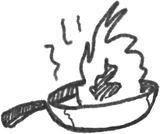
  1. Covered

    A tenant’s cooking fire gets out of hand

    Tenant fires are covered as long as they weren’t set on purpose: the structure, the smoke damage and the rent you lose while the unit is repaired.

  2. Covered

    Old wiring sparks a fire inside the walls

    Faulty wiring, outdated panels and overloaded circuits start more fires than most landlords expect, and electrical fires are typically covered.

  3. Covered

    A wildfire nearby reaches the property

    Structural damage from fire and smoke is covered. In the riskiest zip codes the hard part is getting a policy at all; a state FAIR plan is the backstop.

  1. Not covered

    You, or someone acting for you, sets a fire on purpose

    Intentional fires are excluded, and so are fires caused by war or nuclear hazards.

Water gets where it shouldn’t

Painted illustration of a clawfoot bathtub overflowing onto the floor

Water

For sudden water damage events such as burst pipes, plumbing failures and appliance overflow, insurance covers the structural repairs and lost rental income if the unit can’t be occupied while the work is done. Flood damage from rising water requires a separate policy.

Sudden, not gradual

  1. Covered

    A pipe bursts over a holiday weekend

    Water pays for the drying, mold work and new flooring. Loss of rent covers the six weeks or so the home can’t be lived in.

  1. Not covered

    A slow drip under the sink rots the floor over months

    Gradual leaks and damage from lack of maintenance are excluded. A drip you knew about and left reads as deferred maintenance.

Your own pipes and appliances, not a backup from outside

  1. Covered

    The water heater, washer or AC unit leaks across the floor

    When an appliance or HVAC system malfunctions and leaks, the policy pays for the resulting water damage.

  1. Not covered

    City sewage backs up through a floor drain

    Not on a standard policy, even though it looks like a burst pipe. A water or sewer backup endorsement, a cheap add-on, covers backups from outside your walls.

    Instead Water or sewer backup

An accident, not neglect

  1. Usually

    A tenant leaves the bath running and it overflows

    Accidental tenant damage like an overflowing bathtub is usually covered. Damage from tenant negligence may be excluded or investigated first.

The weather turns

Painted illustration of a house in a gale, with trees bent by the wind

Wind and hurricane

Insurance covers wind and hurricane damage to the structure of your rental, from a stripped roof and broken windows to siding torn loose and a tree through the wall, plus the rental income you lose while it's repaired.

Painted illustration of an open umbrella in driving rain

Storm and hail

Insurance covers storm and hail damage to the structure of your property, including roof punctures, dented or torn shingles, broken windows, and damage from fallen trees and debris, up to your policy limits.

Wind, hail and the rain they let in, not rising water

  1. Covered

    A storm drops the neighbor’s oak through your roof

    Repairs and debris removal are covered. If the tree was already dead, expect pushback; if it falls and misses everything, cleanup is usually on you.

  2. Covered

    A hurricane peels the roof off

    The roof, the interior damage that follows and the lost rent. In hurricane states a named-storm deductible of 2% to 10% of the dwelling limit applies first.

  3. Covered

    Rain pours in through a window the wind blew out

    Rain that gets in through an opening the storm made rides along with the wind claim. Rain seeping through an old, worn roof doesn’t.

  4. Covered

    Hail punctures and dents the shingles

    From a qualifying storm, usually hail an inch across or larger. Hail-prone states often apply a separate deductible of 2% to 5% of the dwelling limit.

  1. Not covered

    Storm surge or a rising river floods the ground floor

    Flood is excluded from every standard landlord policy, even in a covered storm. It takes a separate policy from the National Flood Insurance Program or a private insurer.

    Instead Flood

Your building and what you own there, not your tenant’s things

  1. Covered

    Lightning strikes and fries the wiring

    Fried circuits, scorched appliances and the structural repairs, usually under your regular deductible.

  1. Not covered

    The storm ruins your tenant’s furniture

    Your policy covers the building and what you own there. Tenants need their own renters insurance for their belongings.

    Instead Renters insurance

Someone breaks in or breaks things

Painted illustration of a house with broken windows

Vandalism & burglary

Insurance covers malicious damage to your rental from vandalism and break-ins: broken doors and windows, defaced surfaces, damaged fixtures and appliances. A police report is typically required to file the claim.

Painted illustration of a dropped megaphone and placard

Riot & civil commotion

Landlord insurance covers property damage from riots and civil commotion, including broken windows, structural fires, and looted common areas, so the repair costs don’t fall entirely on you. Documentation connecting the damage to the civil unrest is required.

Strangers, not your own tenants

  1. Covered

    The side of the building gets tagged with graffiti

    Removal and repainting are covered when non-tenants did it. Some policies set a sub-limit for graffiti.

  2. Covered

    A protest turns destructive and looters hit the lobby

    Covered once the damage is tied to a recognized period of unrest: police reports, news coverage, curfew orders. A window smashed on a quiet night is vandalism instead.

  1. Not covered

    A tenant trashes the unit on the way out

    Damage by your own tenants or their guests falls outside vandalism coverage; it’s the tenant’s responsibility.

A rental that’s lived in, not one that’s sat empty

  1. Covered

    Someone kicks in the front door during a break-in

    File a police report, and the repairs are paid, minus your deductible.

  1. Not covered

    Vandals break in after the unit sat empty for three months

    After 30 to 60 days of vacancy most policies exclude or severely limit vandalism. Vacant property insurance fills that gap.

    Instead Vacant property

Someone gets hurt

Painted illustration of a judge’s gavel on its block

Legal liability

Landlord liability insurance pays medical bills, legal defense, and settlements when a tenant or visitor is injured at your rental and holds you responsible. It's built into the policy, with $300,000 to $2 million per occurrence, typically adding $200 to $400 a year to the bundled premium.

Someone hurt at your rental who holds you responsible

  1. Covered

    A guest slips on a loose stair tread

    Legal liability pays the medical bills, your defense and any settlement, up to your limit. Defense costs are paid outside the limit.

  2. Covered

    A balcony gives way under a tenant’s guest

    Liability responds when a balcony, porch or ceiling collapses. These claims settle high and usually turn on inspection records.

  1. Usually

    A tenant’s dog bites a visitor

    Covered in most cases, though some carriers exclude specific breeds.

Mold from a sudden leak, not a slow one

  1. Usually

    A tenant says mold in the unit made them ill

    Covered when the mold traces back to a sudden covered water event, like a burst pipe, rather than gradual leaks or deferred maintenance.

The rent stops

Painted illustration of a house being rebuilt, with a ladder and a For Rent sign

Loss of rent

When a covered event makes the unit temporarily uninhabitable, loss of rent coverage replaces the income you’d lose while repairs are underway, whether the cause is a fire, a burst pipe, or storm damage.

Damage emptied the unit, not the tenant

  1. Covered

    A kitchen fire empties both units of a duplex for four months

    At $2,000 a month per unit, loss of rent replaces roughly $16,000, up to your limit and time cap. Most policies allow 12 to 24 months.

  1. Not covered

    A tenant stops paying and skips town

    Nothing was damaged, so nothing was covered. Unpaid rent takes a separate rent guarantee policy.

    Instead Rent guarantee

The rent you’d have collected, not your own bills

  1. Not covered

    The mortgage and tax bills keep coming during repairs

    Loss of rent pays the rent you would have collected, which may include utilities you provide, not your mortgage, property taxes or other ownership costs.

What to add, or buy separately

A few risks sit outside a landlord policy. These are the add-ons and other policies that cover them.

Add to this policy

Endorsements, priced on top of the base premium

  1. Water or sewer backup

    Covers backups that start outside your walls, such as municipal sewage or groundwater coming up through a floor drain.

    SituationCity sewage backs up through a floor drain

  2. Ordinance or law

    Pays the extra to rebuild to current code, such as updated wiring, sprinklers or fire-rated materials, where a standard policy pays only for what was there.

Buy separately

Other policies for risks a landlord policy leaves out

  1. Flood

    Rising water and storm surge, through the National Flood Insurance Program or a private flood insurer.

    SituationStorm surge or a rising river floods the ground floor

  2. Windstorm

    In some high-risk coastal areas wind is left out of the base policy. A quote tells you whether yours needs a wind-only policy.

  3. Vacant property

    For a rental left empty longer than the 30 to 60 days most policies allow.

    SituationVandals break in after the unit sat empty for three months

  4. Rent guarantee

    For a tenant who stops paying or breaks the lease, which loss of rent doesn’t cover.

    SituationA tenant stops paying and skips town

Your tenant’s policy

Bought by the tenant

  1. Renters insurance

    Your tenant’s belongings and liability. A liability-to-landlord clause in the lease lets it pay for damage the tenant accidentally causes to your unit.

    SituationThe storm ruins your tenant’s furniture

Get coverage in minutes

Competitive rates nationwide. Purpose-built for rental property investors.

Hand-drawn illustration of a row of rental houses