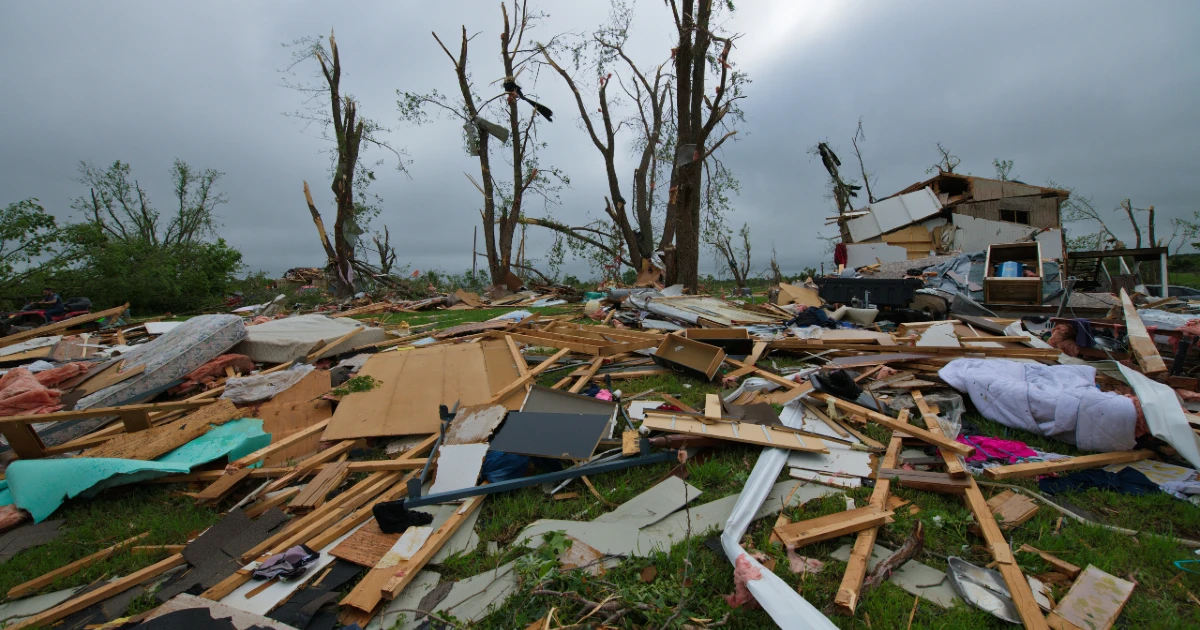
Storm and hail damage insurance for landlords
Steadily covers storm and hail damage to the structure of your property, including roof punctures, dented or torn shingles, broken windows, and damage from fallen trees and debris, up to your policy limits.

Does landlord insurance cover storm and hail?
Yes. Landlord insurance covers storm and hail damage to the structure of your rental, including roof punctures, torn or dented shingles, broken windows, and damaged siding, up to your policy limits. Flood and storm surge are excluded and need separate flood insurance.
Types of storm and hail damage covered
- Structural storm and hail damage coverage
- Roof, shingle, and exterior damage
- Damage from fallen trees and storm debris
- Loss of rental income after storm damage
- Additional living expenses coverage
The roof is considered part of the dwelling structure, so damage from a qualifying storm or hail event falls under your structural coverage. Hail damage insurance typically applies to situations such as:
- Hail punctures or dents in roofing materials
- Storm damage that lifts, cracks, or tears off shingles
- Damage that creates leaks or structural compromise
Beyond the roof, hail and severe storms can crack siding, dent gutters and vents, break windows, and drive water into the building through the openings they create. That structural damage is generally covered the same way a hail-punctured roof would be, as long as it traces back to a covered storm event and not to age or neglect.
However, there are important considerations:
- The damage must be from a covered storm event that meets your policy's thresholds, such as a minimum hail size
- Pre-existing damage or wear-and-tear issues typically aren't covered
- Some policies apply a separate, percentage-based deductible to hail claims
- Documentation and proper claims filing are essential, as insurers may scrutinize roof damage claims
It's worth reviewing your specific policy language and discussing coverage limits with your insurance agent, as roof repairs can be expensive and you want to ensure adequate protection for this critical structural component.
Storm and hail damage that landlord insurance may not cover
While landlord insurance provides substantial protection against storm and hail damage, be aware of these common exclusions:
- Damage from floods or storm surge (requires separate flood insurance)
- Gradual damage from long-term weather exposure or lack of maintenance
- Vacant properties (typically defined as unoccupied for more than 30 to 60 days)
- Hail below your policy's minimum size, or purely cosmetic dents that some policies exclude
What storm and hail coverage pays for, and what it doesn't
Roof damage from storms and hail is the most filed landlord insurance claim in most states. Here’s what your policy covers, how the deductible math actually works in high-risk areas, and what documentation you’ll want before you call your adjuster.
How much landlord insurance coverage do I need for storm and hail damage?
Your dwelling coverage limit should equal the full cost to rebuild your property after a storm, not its market value, not what you paid for it. Set your limits based on your property's construction type, roofing materials, and what your regional market currently charges for labor and materials. Construction costs have risen significantly in recent years, so limits that seemed adequate a few years ago may leave you underinsured if you haven't revisited them.
When determining how much personal property coverage you need, create an inventory of items you own that are kept at the rental property. Consider the replacement cost of maintenance equipment, appliances you provide, and any furnishings in common areas that could be damaged by severe weather. Most policies include some personal property coverage, so make sure the limit can replace what you keep on site.
Beyond the raw rebuild number, factor in your roofing materials, siding type, and any upgrades. Properties in hail-prone areas may warrant impact-resistant materials, and hail coverage terms vary significantly by region, so working with a local contractor or insurance agent familiar with storm repairs can help you land on an accurate estimate.
One thing many landlords don't realize until they file a claim: properties in hail-prone states often carry a separate hail deductible calculated as a percentage of your dwelling coverage, typically 2% to 5%, rather than a flat dollar amount. On a $300,000 dwelling, that's a $6,000 to $15,000 out-of-pocket cost before your policy pays anything, which is a very different number than a standard $1,000 deductible.
There's a second surprise waiting in the fine print: how your policy pays for a damaged roof. Replacement cost value coverage pays what it actually costs to replace the roof today, while actual cash value coverage subtracts depreciation for the roof's age and condition, which on a 15-year-old roof can cut the payout roughly in half. Many carriers in hail-prone states have quietly moved older roofs to actual cash value or to a roof-age payment schedule, so a hail claim that looks like a full roof replacement can come back as a fraction of the rebuild cost. Ask which basis your policy uses before storm season, not after.
What storm and hail damage looks like across real rental properties

Electrical damage

Roof and window damage

Lightning strikes

Trees and fallen debris

Hail damage to roof and siding
Frequently Asked Questions
Does my policy cover tenant belongings damaged by storms?
No, your landlord insurance only covers the building structure and your personal property. Tenants need their own renters insurance to protect their belongings from storm damage.
Is there a separate deductible for hail damage claims?
In hail-prone states, often yes. Many policies apply a separate, percentage-based deductible to hail and storm claims, calculated on your dwelling limit rather than as a flat dollar amount, so it can run several thousand dollars higher than your standard deductible. Damage from something like lightning usually falls under your regular deductible.
Does landlord insurance cover fallen trees and storm debris?
If a tree falls and hits your roof, fence, or detached garage, you’re generally covered, repairs and debris removal included. Same goes for debris from neighboring properties. But if the tree falls and misses everything? Cleanup is usually on you. And if it was already dead before the storm hit, the insurer may deny it outright; foreseeable damage isn’t their problem.
Does my landlord insurance cover hail damage regardless of hail size?
No, most policies have minimum hail size requirements, typically 1 inch in diameter or larger, to qualify for coverage, as smaller hail rarely causes significant structural damage.
After hail damage, will insurance replace the whole roof or just repair it?
It depends on how your policy pays. Replacement cost value coverage pays what a new roof costs today, while actual cash value subtracts depreciation for the roof's age, which on an older roof can cut the payout roughly in half. Many carriers in hail-prone states have moved older roofs to actual cash value or a roof-age schedule, so check your policy's basis before storm season.
What else does Steadily cover?
We cover a wide range of risks, or you can choose a limited set of coverages for a lower premium

Wind and hurricane
Wind and hurricane insurance for rental properties covers roof, siding, and structural storm damage plus lost rent. See what's covered, how named-storm deductibles work, and how much coverage you need.

Riot & civil commotion
Covers damage to your rental property caused by riots, civil unrest, and public disturbances.

Vandalism & burglary
Covers damage made to your rental property by a burglar or a vandal, such as broken windows or defacements made to walls or exterior structures.

Loss of rent
Loss of rent insurance, also called fair rental value coverage, replaces the rental income you lose when a covered event makes your rental uninhabitable.

Water
Water damage insurance for rental properties covers burst pipes, roof leaks, appliance overflows, and sewer backups with an endorsement, plus lost rent. See what’s covered, the exclusions, and how much you need.

Legal liability
Landlord liability insurance pays medical bills, legal defense, and settlements when a tenant or visitor is injured at your rental. Steadily writes $300K to $2M of liability into every landlord policy in all 50 states. Quote in two minutes.

Fire
Fire insurance for rental properties covers structural fire and smoke damage, your personal property, and lost rent while repairs are underway. See what’s covered, exclusions, and how much coverage you need.