Vandalism and burglary insurance for landlords
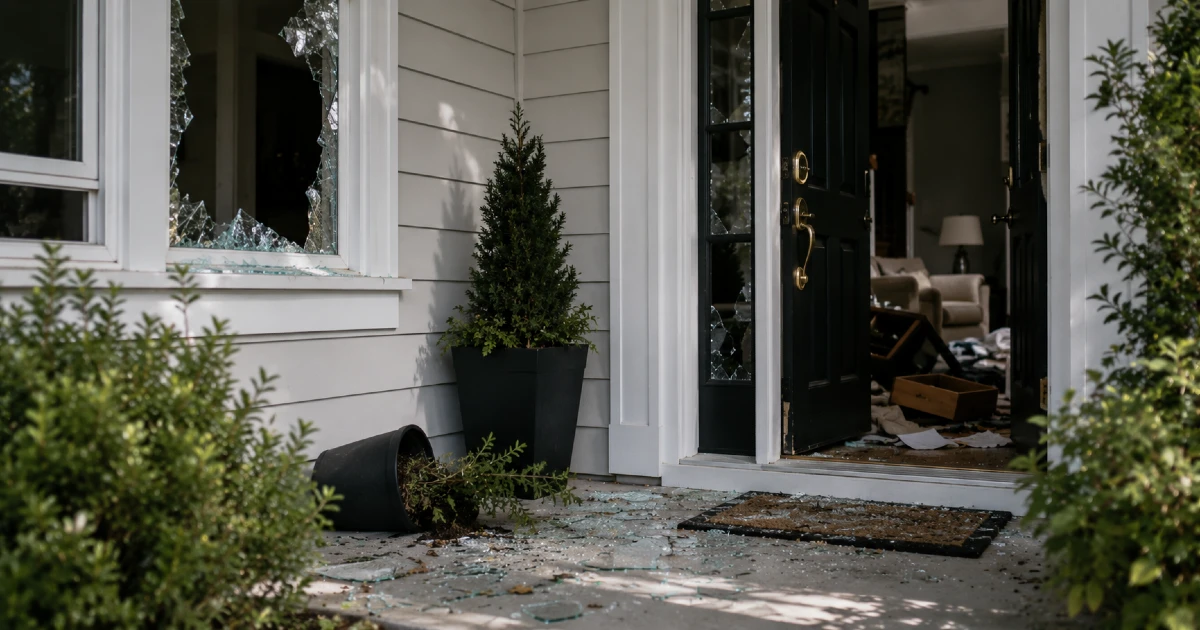
Steadily covers malicious damage to your rental from vandalism and break-ins: broken doors and windows, defaced surfaces, damaged fixtures and appliances. A police report is typically required to file the claim.

Does landlord insurance cover vandalism?
Yes. Landlord insurance covers malicious damage from vandalism and break-ins, including broken doors and windows, graffiti, and damaged fixtures, along with any rent you lose while repairs happen. You will usually need a police report, and damage caused by your own tenants is handled separately.
Types of vandalism and burglary damage covered
- Structural damage from vandalism and break-ins
- Personal property protection from theft and malicious acts
- Loss of rental income after vandalism damage
- Emergency repairs and security restoration
Vandalism insurance covers malicious damage to your dwelling structure, so forced entry and intentional destruction fall under your structural coverage. That includes damage such as:
- Broken windows, doors, and entry points from break-ins
- Graffiti removal and paint damage to exterior surfaces
- Damaged flooring, walls, or fixtures from malicious destruction
- Plumbing or electrical damage caused by vandals
A few important details apply here:
- The damage must stem from actual vandalism or theft, not tenant-caused damage
- You must file a police report documenting the criminal activity
- Some policies carry separate deductibles for vandalism claims
- Photos and thorough claims documentation are essential, since insurers will verify the criminal nature of the damage
Review your specific policy language and discuss coverage limits with your insurance agent. Vandalism repairs can be extensive, so having adequate protection for both structural and cosmetic damage matters.
Vandalism and burglary damage that landlord insurance may not cover
Landlord insurance covers a broad range of vandalism and theft scenarios, but some situations fall outside standard policy terms:
- Damage caused by tenants or their guests (covered under tenant responsibility)
- Theft of cash, securities, or certain high-value items without proper documentation
- Vacant properties (typically defined as unoccupied for more than 30 to 60 days)
- Gradual vandalism or damage that occurs over time without being reported
What vandalism and burglary coverage actually pays for
Vandalism claims run the spectrum, from a single broken window to comprehensive interior destruction. Here’s what a landlord policy covers, what it won’t, and why the police report matters more than most landlords realize when it’s time to file.
How much vandalism and burglary coverage do I need?
Vandalism and burglary coverage doesn’t have a separate limit you set for it specifically; it falls under your dwelling coverage and personal property coverage. The real question is whether your overall dwelling limit is high enough to absorb the worst realistic scenario at your property. Structural repairs from a targeted break-in or extensive vandalism can range from a few hundred dollars for a broken door to tens of thousands when flooring, fixtures, plumbing, and electrical all get hit at once.
For personal property coverage, inventory what you own at the rental: appliances, maintenance equipment, furnishings in common areas, anything you’d need to replace after a burglary. Most standard policies set personal property coverage at roughly 10% of your dwelling limit. That’s enough for most landlords, but worth double-checking if you’ve furnished the unit with higher-value items.
One thing worth reading in your specific policy: some insurers carry sub-limits or separate deductibles for certain vandalism claim types; graffiti removal and glass breakage are the most common ones. If your property is in a higher-risk area or has had prior incidents, knowing those terms before you need to file is a lot easier than finding out mid-claim.
Break-ins, vandalism, and what landlord insurance actually covers

Destruction of flooring and fixtures

Malicious damage to appliances, plumbing, electrical

Defaced property

Broken doors

Broken windows
Frequently Asked Questions
Does vandalism coverage include graffiti removal?
Yes, vandalism coverage typically includes graffiti removal and repainting costs when graffiti is applied to your rental property by non-tenants. However, some policies may have sub-limits for graffiti damage, and you'll still need to pay your deductible. The coverage applies to both exterior surfaces like walls and fences, as well as interior surfaces if vandals gained entry to the property.
Do I need to file a police report for vandalism claims?
Yes, filing a police report is typically required for vandalism and burglary claims to prove criminal activity occurred. The police report serves as documentation that the damage was caused by malicious acts rather than normal wear-and-tear or tenant-related issues. Keep a copy of the report number and any case documentation for your insurance claim.
Are vacant rental properties covered for vandalism?
Most DP1 and DP3 policies exclude or severely limit vandalism coverage for vacant properties, typically after 30 to 60 days of vacancy. Vacant properties are higher risk for vandalism, so insurers either exclude this coverage entirely or require you to purchase separate vacant property insurance with specific vandalism protection.
What's the difference between burglary and theft coverage in landlord insurance?
Burglary coverage protects against forced entry damage to your property structure, like broken doors or windows during a break-in. Theft coverage protects your personal property as the landlord, such as appliances you provide, maintenance equipment, or furnishings in common areas. Tenant belongings are not covered and require the tenant's own renters insurance.
Does landlord insurance cover vandalism and burglary damage?
Yes, both DP1 and DP3 landlord policies typically include vandalism and malicious mischief coverage as a standard peril. This covers structural damage from break-ins, graffiti, broken windows, and other malicious acts by strangers. However, you must file a police report documenting the criminal activity, and damage caused by tenants is usually excluded from vandalism coverage.
What else does Steadily cover?
We cover a wide range of risks, or you can choose a limited set of coverages for a lower premium

Wind and hurricane
Wind and hurricane insurance for rental properties covers roof, siding, and structural storm damage plus lost rent. See what's covered, how named-storm deductibles work, and how much coverage you need.

Riot & civil commotion
Covers damage to your rental property caused by riots, civil unrest, and public disturbances.

Loss of rent
Loss of rent insurance, also called fair rental value coverage, replaces the rental income you lose when a covered event makes your rental uninhabitable.

Storm and hail
Storm and hail damage insurance for landlords covers roof punctures, dented shingles, siding, and broken windows on your rental. See what's covered, how hail deductibles work, and how much coverage you need.

Water
Water damage insurance for rental properties covers burst pipes, roof leaks, appliance overflows, and sewer backups with an endorsement, plus lost rent. See what’s covered, the exclusions, and how much you need.

Legal liability
Landlord liability insurance pays medical bills, legal defense, and settlements when a tenant or visitor is injured at your rental. Steadily writes $300K to $2M of liability into every landlord policy in all 50 states. Quote in two minutes.

Fire
Fire insurance for rental properties covers structural fire and smoke damage, your personal property, and lost rent while repairs are underway. See what’s covered, exclusions, and how much coverage you need.