
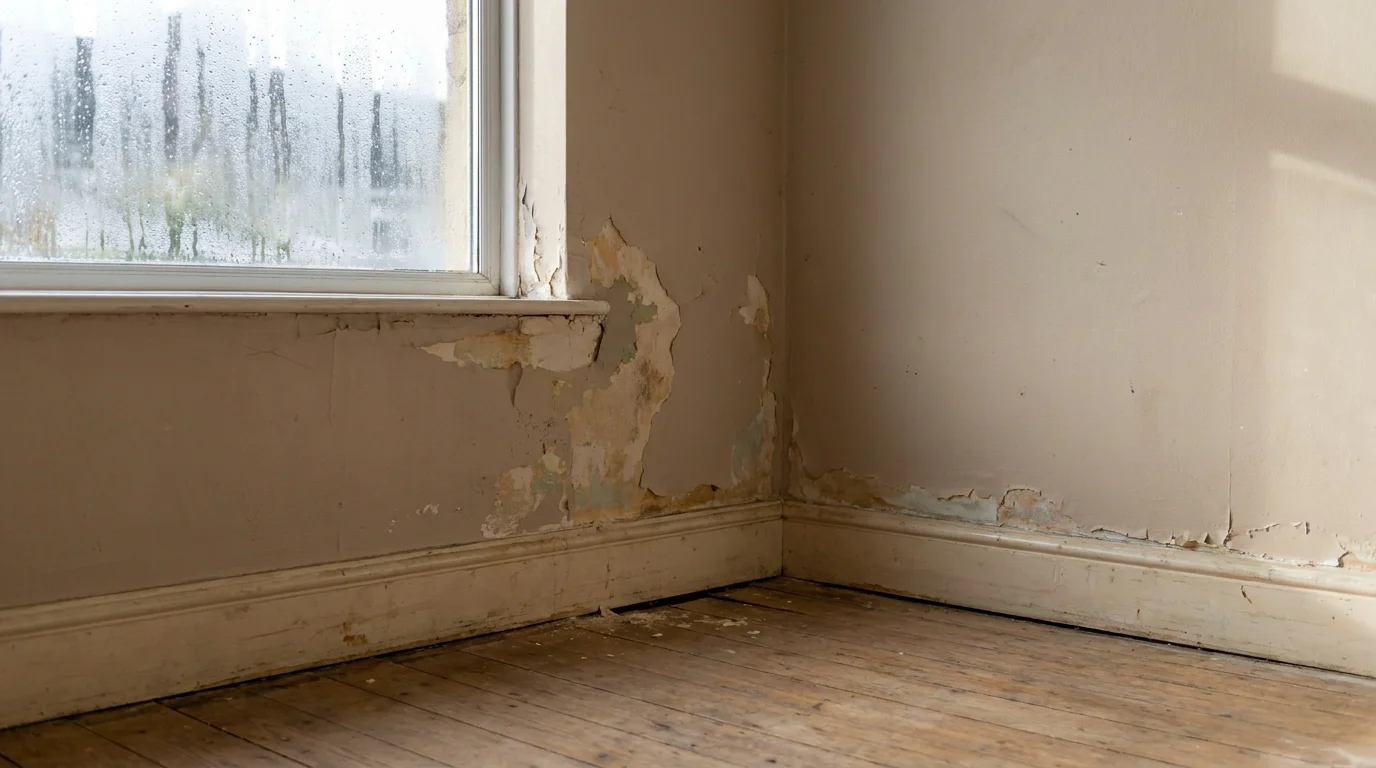
Pennsylvania tenant rights come from a stack of overlapping laws: the Landlord and Tenant Act of 1951, the Pennsylvania Human Relations Act, a handful of tenant-specific statutes on utilities and rent withholding, and city ordinances in Philadelphia and Pittsburgh that go well beyond state law. Tenants who know these rules can enforce them; landlords who don't can lose the right to collect rent or owe double a security deposit. In Philadelphia, they can also face fines of $2,000 per day. This guide covers both sides: what tenants are entitled to, and what landlords must do to stay out of court.
Overview of Pennsylvania landlord-tenant law
The Landlord-Tenant Act of 1951 (68 P.S. § 250.101 et seq.) is the backbone of the relationship. It sets the rules for security deposits and repossession procedures, including notices to quit. Layered on top of it are the Pennsylvania Human Relations Act and the federal Fair Housing Act, which govern discrimination, plus court-made law like Pugh v. Holmes, the 1979 Pennsylvania Supreme Court decision that created the implied warranty of habitability.
Local law adds a third layer, and in Philadelphia it is the thickest one. Philadelphia combines mandatory eviction diversion, good cause termination rules, rental suitability certificates, and lead-safe certification requirements in a regulatory package that is broader than state law. Other municipalities impose some comparable protections. Pennsylvania short-term rental laws carry their own licensing and tax obligations on top of this framework. For a deeper walkthrough of landlord-tenant rules on rental agreements and eviction procedures, Steadily maintains a separate guide.
Lease agreements: key terms and termination notice
Landlords in Pennsylvania who are setting up their first rental should put every material term in writing: rent, term, deposit, repair responsibilities, and notice provisions.
Pennsylvania does not require a residential lease to be in writing. Courts recognize and enforce oral leases, typically treating them as month-to-month or indeterminate tenancies. The practical risk is significant: if a dispute arises over the rent or lease term, unclear repair responsibilities can create a separate conflict. The outcome comes down to your word against your tenant's. Your tenant still receives the full protections of the Landlord and Tenant Act of 1951 regardless of whether you and your tenant ever wrote the agreement down. Putting every material term in writing is the cheapest protection you have as a landlord.
Termination notice periods come from 68 P.S. § 250.501(b), and they depend on lease length, not on whether the tenancy is month-to-month. A lease of one year or less, or an indeterminate term, requires 15 days' notice at expiration or for a breach. A lease of more than one year requires 30 days. Nonpayment of rent requires only 10 days regardless of lease length.
Before you sign any lease, you will typically run tenant screening, reviewing an applicant's credit report, rental history, income, and references to gauge whether they can meet their obligations. That process must comply with fair housing rules, which this article covers in a later section; you cannot use screening criteria as a pretext to reject someone because of a protected characteristic under fair housing law. In municipalities that extend source-of-income protection, with Philadelphia as the most prominent example, you also cannot turn away an applicant because they plan to pay with a housing voucher. Use consistent criteria and document how you apply the same standards to every applicant.
Two wrinkles catch people off guard. A lease clause can shorten or waive these notice periods under § 250.501(e). In Federman v. Pozsonyi (1987), the Superior Court enforced a lease that cut the nonpayment notice to five days. Service is also strict. Section 250.501(f) lets the landlord deliver the notice personally or leave it at the principal building. The landlord may instead post it conspicuously on the premises. Jankowski v. Orloske held these methods exclusive and required the notice to state a removal date, though a 2019 non-precedential decision accepted certified mail where the tenant admitted receiving it.
Security deposit rules: limits, escrow, and the 30-day return deadline
Pennsylvania caps security deposits at two months' rent during the first year of tenancy and one month's rent in the second and later years, under 68 P.S. § 250.511a. Deposits over $100 must sit in an escrow account at a federally or state-regulated institution, and the landlord must identify the institution holding the money and the amount deposited in writing. After the deposit's second anniversary, the account must bear interest; the landlord may keep 1% per year as an administrative fee and must pay the rest of the interest to the tenant annually.
Landlords and tenants file many security-deposit lawsuits over the deadline in 68 P.S. § 250.512. Within 30 days of lease termination or surrender and acceptance of the premises, whichever occurs first, the landlord must send a written itemized list of damages and return the balance of the deposit plus any owed interest. Miss the list, and the landlord forfeits the right to withhold anything or to sue the tenant for damages. Fail to pay the difference, and the landlord is liable for double the amount wrongfully withheld. The burden of proving actual damages sits on the landlord.
Tenants have one obligation here: § 250.512(e) relieves the landlord of liability if the tenant never provides a forwarding address in writing. If you rent, hand over a new address at move-out and keep proof.
Implied warranty of habitability and landlord repair obligations
Every residential lease in Pennsylvania carries an implied warranty of habitability that cannot be waived, under Pugh v. Holmes, 486 Pa. 272 (1979). The court held the warranty exists to "provide facilities and services vital to the life, health, and safety of the tenant," and treated rent and habitability as dependent obligations: a material breach of one suspends the other for as long as the breach continues.
The standard for breach is whether the defect prevents use of the dwelling for habitation; at minimum, the premises must be safe and sanitary. Pennsylvania courts have recognized breaches in cases involving leaky roofs, no hot water, cockroach and rodent infestation, hazardous floors and steps, lack of heat, defective wiring, broken porch railings, and failed plumbing. In Staley v. Bouril (1998), the Supreme Court added that "potable water, adequate septic service, and proper electrical connections are essential components of a habitable residence." PALawHelp explains that worn but usable floors, cabinets, and fixtures do not qualify.
Notice comes before any remedy. The tenant must prove notice of the defect and the landlord's failure to repair it after a reasonable opportunity. Reasonable time varies with the problem: PALawHelp notes a heat failure in January may warrant a 24-hour response, while a furnace issue in July might allow 30 days. If you're a tenant, send notice in writing, by both certified and regular mail, and keep copies. Once the tenant gives written notice, the landlord has a reasonable period to repair; a documented, prompt repair is the cheapest defense available.
Right to quiet enjoyment
Every Pennsylvania residential lease carries an implied covenant of quiet enjoyment, meaning you are entitled to use and possess the rented premises without substantial interference from the landlord. Breaches of that covenant take many forms: repeated unannounced entry, shutting off utilities, harassment, or allowing conditions to persist that make the unit effectively unusable. When a landlord's conduct is serious enough, it can amount to a constructive eviction, a legal conclusion that lets you treat the lease as terminated and vacate without further rent obligation. Quiet enjoyment overlaps with the implied warranty of habitability discussed above, but the two are distinct: habitability focuses on the physical condition of the unit, while quiet enjoyment protects your right to peaceful possession free from landlord interference. If you believe your landlord has violated either protection, keep a dated incident log with supporting photographs or written communications before pursuing a remedy.
Tenant remedies: rent withholding, escrow, and repair and deduct
Pennsylvania tenants have two separate paths when a landlord won't fix serious problems, and they work differently.
The formal path is the City Rent Withholding Act, 35 P.S. § 1700-1, which applies only in Philadelphia, Pittsburgh, Scranton, and the 48 third-class cities. Townships and boroughs are outside it. The sequence:
- The tenant asks the local agency to inspect: Philadelphia's Department of Licenses and Inspections (call 311), or the Department of Public Safety or county health department elsewhere. Legal aid groups recommend notifying the landlord in writing by certified mail first.
- After the local agency certifies the dwelling unfit for human habitation, the tenant's duty to pay rent ends while the certification remains in effect.
- The tenant deposits the full rent into an escrow account that the city or county approves. In Allegheny County, that means opening the account at the health department's Housing and Community Environment office.
- If the local agency certifies the dwelling fit within six months, the escrowed rent goes to the landlord. If not, the money returns to the tenant, and Klein v. Allegheny County Health Department holds that successive six-month periods can follow until the property passes.
The statute states that "no tenant shall be evicted for any reason whatsoever while rent is deposited in escrow," but that shield holds only while the tenant keeps paying the full rent into the account.
The informal path comes from Pugh v. Holmes, which held the Rent Withholding Act is not the exclusive remedy. Anywhere in the state, after proper written notice and a reasonable chance to repair, a tenant may repair and deduct the reasonable cost from rent (up to the rent available), abate rent in proportion to the loss of use, raise the breach as a defense to an eviction for nonpayment, or vacate and terminate the lease. A defect that knocks out a room representing 25% of the living space may justify withholding 25% of the rent.
The Pennsylvania eviction process: notices, court hearings, and illegal lockouts
Eviction in Pennsylvania runs through the Magisterial District Court everywhere except Philadelphia, which uses Municipal Court with its own procedures, including the mandatory diversion program covered below. The MDJ sequence has fixed timelines at every step.
It starts with the notice to quit described earlier. Nonpayment requires 10 days' notice. Lease expiration or breach requires 15 or 30 days depending on lease length. The Pennsylvania Supreme Court in Assouline v. Reynolds (2019) called the notice "the essential prerequisite" to repossession. Skipping it or serving it wrong can sink the case before it begins.
After the notice period runs, the landlord files a complaint in the magisterial district where the property sits. Filing fees effective January 1, 2026 run from $102.50 for claims of $2,000 or less to $171.00 for claims between $4,000 and $12,000, plus constable service fees the landlord pays in advance. The court must schedule the hearing between 7 and 15 days after filing, and the judge rules at the hearing or within 3 days.
From judgment, the possession timeline works like this:
- The landlord may request an order for possession, called the Writ of Possession, from the Magisterial District Court that entered the judgment after the 10th day following that judgment, and within 120 days of it.
- The constable may execute the Writ of Possession, by force if needed, on or after the 11th day after serving it. The constable cannot execute a Writ of Possession more than 60 days after the court issues it.
- In nonpayment cases only, 68 P.S. § 250.503 lets the tenant void the Writ of Possession at any point before execution by paying the constable the rent in arrears plus costs. Legal Aid of Southeastern PA puts the practical floor at 21 days from hearing to earliest removal if the tenant files no appeal.
Tenants can appeal to the Court of Common Pleas under Rule 1002, and the deadline depends on what the judgment covers:
- Judgment type | Appeal deadline
- Money only | 30 days
- Residential possession (with or without money) | 10 days
- Money and possession, tenant is a domestic violence victim | 30 days
To stay the eviction during appeal, the tenant must fund a supersedeas under Rule 1008: at filing, the lesser of three months' rent or the arrears, then full monthly rent every 30 days. An indigent tenant who files an affidavit can pay one-third of a month's rent at filing and the remaining two-thirds within 20 days.
Self-help eviction has no place in this sequence. Changing the locks or removing a tenant's belongings bypasses the only lawful mechanism, which is a judgment followed by constable execution. So does cutting utilities to force someone out, and utility shutoffs trigger statutory damages under the Utility Service Tenants Rights Act discussed below.
Fair housing, anti-discrimination, and reasonable accommodations
Protected classes under Pennsylvania law
The Pennsylvania Human Relations Act prohibits housing discrimination based on race, color, religious creed, ancestry, age (40 and over), sex, national origin, familial status, and disability, and it separately protects the use of guide or support animals and association with a person with a disability, under 43 P.S. § 955(h). That list runs wider than the federal Fair Housing Act's seven classes: ancestry and age over 40 are state-only protections. Since the PHRC's final-form regulations took effect in 2023, 16 Pa. Code § 41.206 defines "sex" to include pregnancy, gender identity or expression, sexual orientation, and intersex characteristics, so LGBTQ+ protection in Pennsylvania housing rests on binding regulation rather than an agency memo.
Source-of-income protections
Source of income is the notable gap. Neither state nor federal law protects Section 8 voucher holders statewide, though the Housing Equality Center identifies at least 55 Pennsylvania municipalities with local ordinances. Philadelphia, State College, Erie, and Patton Township all actively prohibit source-of-income discrimination. Pittsburgh does not: the Pennsylvania Supreme Court struck down its ordinance in October 2021, so Pittsburgh landlords may lawfully decline vouchers. Lawmakers tabled a statewide bill, HB 2357, in April 2026.
Disability accommodations
Disability protections require landlords to grant reasonable accommodations, meaning changes to rules or policies, such as permitting an assistance animal despite a no-pets clause. Reasonable modifications are physical changes to the unit, and in private housing the tenant typically bears that cost. Getting this wrong is expensive for landlords: a PHRC or HUD complaint exposes a landlord to damages and attorney's fees. Even a successful defense carries litigation costs.
Rent increases, habitability, and retaliation
Pennsylvania has no statewide rent control. Spotlight PA puts it flatly: "Pennsylvania law does not cap or limit rent increases." Two bills that would change that, HB 914 and SB 546, sat in committee as of August 2026 without a vote. Nolo reports that state law sets no minimum notice period for raising rent on a month-to-month tenancy; during a fixed-term lease, rent can rise only if the lease says so, and at renewal the lease's own terms control. Philadelphia is the exception: city code requires at least 60 days' written notice of an increase for tenancies of a year or more and 30 days for shorter ones.
The implied warranty of habitability is non-waivable under Pugh v. Holmes.
Pennsylvania statutes bar retaliation in specific contexts. Under 68 P.S. § 399.11, a landlord who retaliates against a tenant for exercising utility-payment rights owes two months' rent or actual damages, whichever is greater, plus attorney's fees. Any notice changing or ending tenancy terms within six months of the tenant's action carries a rebuttable presumption of retaliation. The Manufactured Home Community Rights Act contains a parallel six-month presumption.
Utility protections and Philadelphia access rules
When a landlord who pays for utilities falls behind, the Utility Service Tenants Rights Act keeps the lights on for tenants. The utility must notify the landlord at least 37 days before discontinuance, then notify each tenant at least 7 days after the landlord notice and at least 30 days before shutoff. Tenants can keep service by paying the utility an amount equal to the landlord's bill for the 30 days preceding their notice; they are not responsible for the landlord's past-due balance. Under § 399.9, every dollar a tenant pays the utility comes straight off the rent, and any lease clause waiving these rights is void.
A landlord who wants service shut off in a master-metered building must give the utility a written statement that all units are empty or all tenants have consented in writing. PALawHelp explains that otherwise the landlord must supply tenant names and addresses so the statutory notices go out.
In Philadelphia, a tenant's refusal of access counts as good cause for non-renewal only after the landlord has given written notice to cease.
Special protections: lead paint, military, domestic violence, and mobile homes
Several groups of tenants carry rights beyond the general framework, and each set carries its own penalties for landlords.
Lead-based paint protections
For most housing built before 1978, lead-based paint is a regulated hazard, and the federal Lead Disclosure Rule (42 U.S.C. § 4852d) requires landlords, before lease execution, to provide the EPA pamphlet Protect Your Family From Lead in Your Home, disclose known lead paint or hazards, hand over available records, and attach a Lead Warning Statement to the lease, retaining the paperwork for three years. Exemptions include zero-bedroom units; qualifying housing for elderly or disabled residents; leases of 100 days or less with no renewal option; and properties that a certified inspector has found lead-free. Knowing violations expose landlords to treble damages plus attorney's fees, and TSCA civil penalties reach $10,000 per violation. Philadelphia goes further: since October 2020, landlords must hire certified inspectors to test pre-1978 rentals and certify them lead-safe (valid four years) or lead-free (valid indefinitely) before a new or renewed lease, with fines up to $2,000 per day of noncompliance.
Servicemember protections
Servicemembers can terminate a lease early under the SCRA, 50 U.S.C. § 3955, when they enter military service or receive permanent change of station orders. Deployment orders of 90 days or more also qualify. The tenant delivers written notice plus a copy of orders or a commanding officer's certification; for a monthly lease, termination takes effect 30 days after the next rent due date. Landlords may not charge early-termination fees, and seizing the deposit for post-termination rent is a misdemeanor. DOJ can pursue civil penalties up to $55,000 for a first offense.
Domestic violence protections
Domestic violence victims get extra time in the eviction appeal process: 30 days instead of 10 to appeal a judgment for money and possession under Rule 1002.
Manufactured home protections
Residents who own their manufactured home but rent the lot fall under the Manufactured Home Community Rights Act. Community owners may evict only for nonpayment, a second rule violation within six months, a change in land use, or closure of the community, and the law prohibits self-help eviction outright. Nonpayment carries seasonal cure periods of 20 days (April through August) or 30 days (September through March). Rent may change no more than once in 12 months. The law bans entrance and exit fees and invalidates any agreement that limits these rights.
Philadelphia and Pittsburgh protections, and where to get legal help
Philadelphia has built a separate regulatory regime that every landlord operating there needs to treat as its own compliance checklist:
- Eviction Diversion Program: Mandatory and permanent under Philadelphia Code § 9-811. Landlords must participate in good faith for at least 30 days before filing in Municipal Court, starting with a Notice of Diversion Rights and an application with ledger and active rental license. The city reports eviction filings down roughly 40% since launch and agreements in about 70% of mediated cases; its Targeted Financial Assistance component has paid landlords roughly $46 million across about 9,940 cases. The Philadelphia Inquirer puts the average payment at $4,441.
- Good Cause eviction: For leases under one year, Philadelphia Code § 9-804(12) permits non-renewal or termination only for nine enumerated causes, including habitual nonpayment, material breach, nuisance, and owner move-in, with at least 30 days' written notice stating the reason. City Council passed an expansion in May 2026 that takes effect November 1, 2026 and faces a pending federal challenge, Floyd v. City Council for the City of Philadelphia.
- Certificate of Rental Suitability: For every new tenant and each lease renewal, the owner must give the tenant a CRS that L&I issued no more than 60 days prior and an owner's attestation. The owner must also provide the Partners for Good Housing handbook. Under § 9-3901(4)(e) and Frempong v. Richardson (2019), the code bars a noncompliant landlord from collecting rent or recovering possession for the period of noncompliance.
Pittsburgh's Chapter 782 requires dust-wipe lead inspections for pre-1978 rental buildings, and Allegheny County requires the federal lead disclosure form for pre-1978 leases. The Pennsylvania Supreme Court struck down Pittsburgh's source-of-income ordinance in 2021.
Tenants who need help can start at PALawHelp.org, which hosts 91 tenant-rights resources in five languages. The Pennsylvania Legal Aid Network covers all 67 counties at a standard income limit of 125% of federal poverty guidelines; MidPenn Legal Services serves 18 central-Pennsylvania counties, with a 2026 annual limit of $41,250 for a household of four. In Philadelphia, Community Legal Services runs the Philly Tenant Hotline at (267) 443-2500, and low-income tenants in ten ZIP codes have a right to free eviction counsel at incomes up to 200% of the poverty level. Older and disabled renters should also check the Property Tax/Rent Rebate Program: households with income of $48,110 or less can claim rebates of $380 to $1,000 for rent paid in 2025, with applications open through December 31, 2026.
What Pennsylvania landlords should carry
Read back through this article from a landlord's chair and the exposure adds up fast: double damages on a mishandled deposit, two months' rent plus attorney's fees for utility retaliation, treble damages on a lead disclosure failure, $2,000 per day in Philadelphia lead fines, and the full cost of defending a PHRC or HUD discrimination complaint. A tenant injury on a broken porch step, the kind of condition Fair v. Negley flags as a habitability breach, can produce a liability claim that dwarfs all of them.
Landlord insurance is the backstop for the physical and liability side of that exposure. A DP3 policy covers the structure against tenant-caused accidents like an overflowed tub or a burst pipe; the policy excludes intentional tenant damage. The insurer may pay covered liability claims when a tenant or guest is injured on the property through coverage options from $100K to $1M+. Loss-of-rent coverage may replace up to 12 months of fair rental value only when a covered property loss makes the unit uninhabitable; it does not ordinarily cover vacancy caused solely by eviction proceedings. In a state where repairs after a covered loss can keep a unit dark for months, that protection matters. 2026 industry data puts premiums for standard rentals at $800 to $3,000 per year.
Steadily writes Pennsylvania landlord insurance for single-family rentals, multifamily, condos, short-term rentals, and vacant or renovation properties. Get a quote in minutes at quote.steadily.com. No phone call is required.
FAQ
How much can a Pennsylvania landlord charge for a security deposit, and when must it come back?
Two months' rent maximum in the first year, one month's rent after that. The landlord has 30 days from lease termination or surrender and acceptance of the premises, whichever occurs first, to send an itemized damage list and return the balance; missing the deadline forfeits the right to withhold anything, and failing to pay what's owed triggers liability for twice the wrongfully held amount.
What can I do if my landlord won't make repairs?
Send written notice, ideally by certified and regular mail, and give a reasonable time to fix the problem. After that, Pugh v. Holmes lets you repair and deduct the cost from rent or abate rent in proportion to the lost use. You can also raise the defect as an eviction defense. In Philadelphia, Pittsburgh, Scranton, and third-class cities, you can also get the unit certified unfit and pay rent into escrow under the Rent Withholding Act.
Can my landlord lock me out or shut off my utilities?
No. Eviction requires a court judgment and constable execution of an order for possession. A landlord who retaliates through a utility shutoff owes the greater of two months' rent or actual damages plus attorney's fees, and tenants facing a shutoff for the landlord's nonpayment can keep service by paying the utility directly and deducting it from rent.
How long does an eviction take in Pennsylvania?
Outside Philadelphia, the notice-to-quit period varies by the eviction ground and lease length. A hearing follows 7 to 15 days after filing, an order for possession becomes available on the 11th day after judgment, and execution can occur on the 11th day after service of that order. Legal aid estimates put the earliest removal at about 21 days after the hearing if the tenant doesn't appeal. In nonpayment cases, paying the full arrears plus costs before execution voids the writ.
Is there rent control in Pennsylvania?
No statewide cap exists on rent increases, and state law sets no notice period for raising rent on month-to-month tenancies. Philadelphia requires 60 days' notice for tenancies of a year or more and 30 days for shorter ones. Bills to cap increases statewide had not passed as of August 2026.
What discrimination protections do Pennsylvania renters have?
The PHRA covers race, color, religion, ancestry, age 40 and over, sex (including gender identity and sexual orientation under 2023 regulations), national origin, familial status, and disability, including guide and support animal use. Only local ordinances protect source of income. Philadelphia and Erie provide that protection, as does State College; state law does not, and Pittsburgh has no valid ordinance.
What access rules apply to Philadelphia rental units?
In Philadelphia, a tenant's refusal of access counts as good cause for non-renewal only after the landlord has given written notice to cease.
What extra rules apply in Philadelphia?
Landlords must complete 30 days of good-faith participation in the Eviction Diversion Program before filing, show good cause to end leases under one year, provide a Certificate of Rental Suitability for every new tenant and each lease renewal, certify pre-1978 units lead-safe or lead-free, and give 30 to 60 days' notice of rent increases. Noncompliance with the suitability certificate bars both rent collection and repossession for the noncompliant period.



.jpg)




.png)