

Tenancy in Arizona is governed by a set of laws designed to protect both property owners and tenants. The Arizona Residential Landlord and Tenant Act (ARLTA) is the primary rulebook, outlining what landlords can and cannot do, and what counts as illegal landlord practices in Arizona. This article covers the key restrictions Arizona law places on landlords and explains what tenants can do when those rules are broken.
How disputes get resolved often comes down to documentation. A written receipt or photo of an issue can make or break a case. Tenants facing housing conflict in Arizona can find support through the Secretary of State's website and Community Legal Services.
Key takeaways
- The Arizona Residential Landlord and Tenant Act sets out the core rights and restrictions for both sides of a tenancy
- Keeping records, receipts, notices, photos, is essential for protecting your rights
- Illegal landlord practices in Arizona include discrimination and wrongful eviction
- If you receive an eviction notice, legal assistance can help you respond effectively
- Landlords must provide habitable living conditions under Arizona rental laws
- Security deposits are capped at one and a half times the monthly rent
- Both landlords and tenants are expected to know and follow the legal standards that apply to them
Understanding Arizona's Residential Landlord and Tenant Act
The ARLTA is the foundation for landlord-tenant laws in Arizona. It covers everything from lease details to eviction procedures, spelling out both landlord responsibilities in Arizona and tenant protections under Arizona rental laws. If you're a landlord or a renter in this state, this is the law you need to understand.
The foundation of landlord obligations in Arizona
Landlords in Arizona carry responsibilities that go well beyond collecting rent. The ARLTA requires them to provide tenants with safe, livable conditions, working appliances, proper waste disposal, and reliable hot and cold running water. These aren't optional; they're legal requirements.
Key provisions impacting landlord conduct
The Act sets clear rules on how landlords must handle utility interruptions, repairs, and maintenance. When disputes arise, whether over heat, hot water, or a withheld security deposit, documentation matters: written notices, photos, and credible witnesses all play a role in establishing what actually happened and who is responsible.
Prohibited discrimination practices in Arizona rentals

Arizona landlords operate within firm boundaries when it comes to tenant discrimination. The law makes clear what is and is not permitted, and those rules apply from the first rental listing through the end of a tenancy.
Fair housing laws and tenant protections
Under both federal and state Fair Housing laws, landlords cannot use a tenant's race, color, religion, gender, or sexual orientation as a basis for any rental decision. These are not just ethical guidelines; they are legal requirements with real consequences for landlords who violate them.
Recognizing and avoiding discriminatory behavior
Discrimination isn't always obvious. It can show up in how you word a rental listing, how you set rent prices, or what terms you attach to a security deposit. The standard is straightforward: treat every applicant and tenant with the same impartiality and fairness. Landlords who apply this consistently protect themselves from disputes and stay on the right side of the law.
Illegally withholding security deposits in Arizona
Arizona's security deposit rules are specific, and landlords who don't follow them can face serious legal exposure. The law caps deposits at no more than one and a half times the monthly rent, no exceptions.
Transparency is required from the start. Landlords must give tenants a written statement identifying any portion of the deposit that is non-refundable. Getting this in writing upfront prevents a lot of arguments later.
When the lease ends, Arizona law requires landlords to return the deposit within 14 days. This is not discretionary. If a landlord improperly withholds a deposit, the tenant can sue to recover up to twice the withheld amount. The rules are simple; the stakes for ignoring them are not.
- Maximum deposit: 1.5 times the monthly rent
- Written statement required for any non-refundable portion
- Return deadline: 14 days after lease termination
- Penalty for violations: tenant may recover double the withheld amount
Violations of tenant privacy and right of access
Arizona law defines when and how a landlord may enter a tenant's home. The rules exist to protect tenant privacy rights in Arizona, and ignoring them can result in legal liability for the landlord.
Proper notice for landlord entry explained
Landlords must give tenants at least two days' written notice before entering the property. This applies in nearly all situations; it's not a technicality you can skip for convenience. The notice should specify when the landlord intends to come and why, and entry should happen at a reasonable hour.
Emergency access and tenant rights
True emergencies are an exception. If something demands immediate action, a burst pipe or a gas leak, a landlord can enter without the usual notice. But that exception is narrow. If a landlord enters without notice outside of genuine emergencies, the tenant can sue for damages equal to one month's rent or seek lease termination.
Illegal eviction procedures
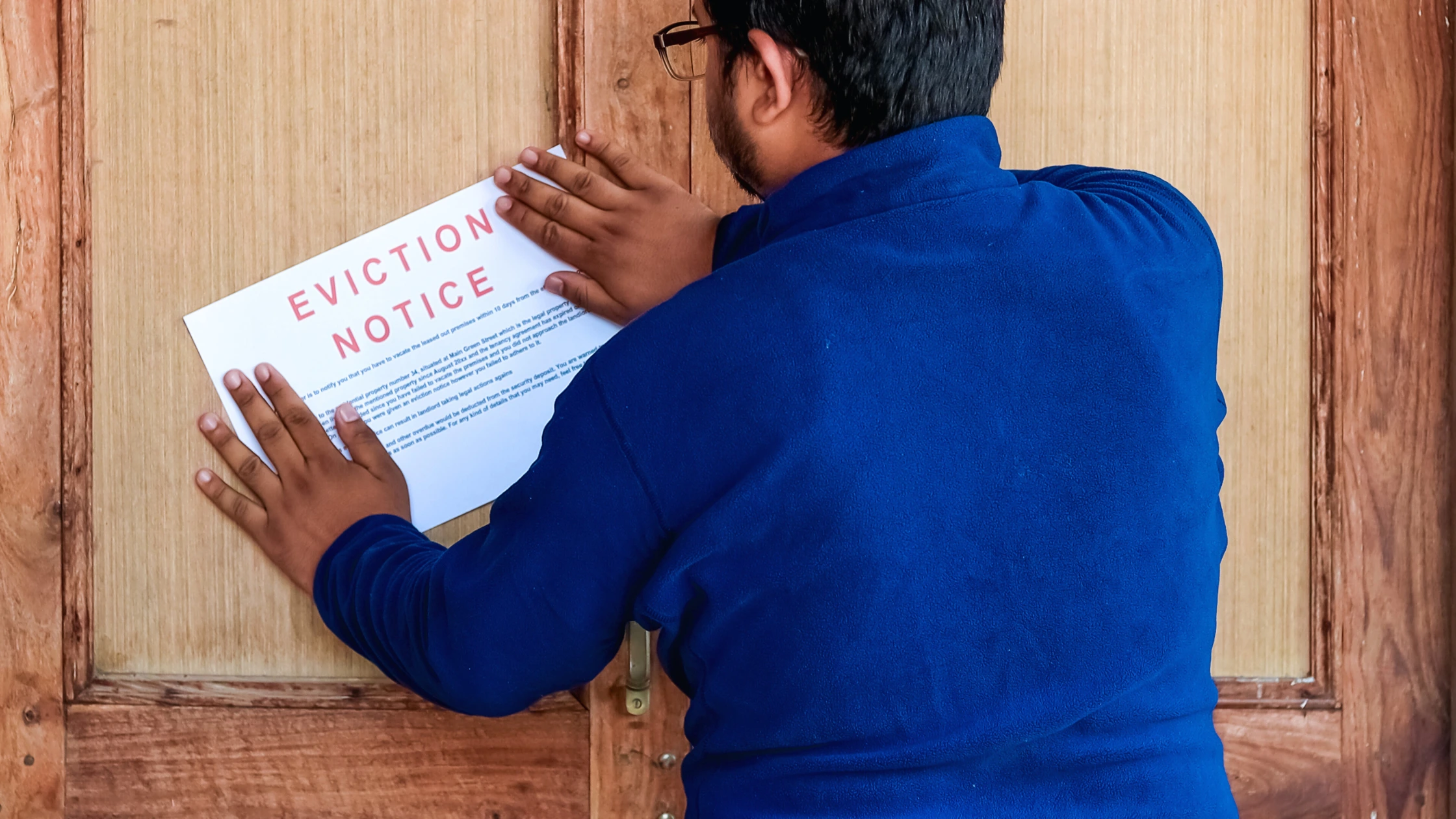
Arizona landlords must follow a specific legal process to evict a tenant. Skipping any part of that process turns a potentially valid eviction into an illegal eviction in Arizona.
Understanding legal notice requirements
The notice period required before eviction depends on the reason. Criminal conduct can trigger a 24-hour notice; a lease violation typically requires 10 days for the tenant to fix the problem or vacate. Every eviction notice must be in writing and must comply with state law. There is no valid shortcut.
Consequences of self-help eviction tactics
Landlords cannot take matters into their own hands. Changing locks, shutting off utilities, or removing a tenant's belongings without a court order are all prohibited. These tactics are a form of illegal eviction in Arizona, and tenants who experience them can pursue legal remedies and statutory damages for any harm caused.
Disconnection of essential services
Tenants rely on utilities, water, gas, electricity, as part of what they're paying for. The ARLTA is clear: landlord responsibilities for utilities in Arizona mean those services stay on unless there is a lawful reason to interrupt them, such as necessary repairs or a genuine safety concern. Cutting utilities to pressure a tenant or retaliate for a complaint is illegal.
If a landlord fails to provide agreed utilities after receiving written notice, tenants have several remedies under Arizona rental utility laws:
- Tenants may arrange and pay for the utilities themselves, then deduct that cost from rent
- Tenants may sue for a reduction in rent proportional to the lost service
- In serious cases, tenants may temporarily relocate and withhold rent for the period the service was unavailable; if substitute housing costs more than the daily rent, tenants may recover up to 25% of their standard daily rate
The written terms of the lease and the provisions of Arizona law are the tenants' primary tools here. Know what your lease says about utilities, and know the remedies available if a landlord doesn't hold up their end.
Things landlords cannot do in Arizona
Arizona's rental regulations set clear limits on landlord behavior. The Arizona rental agreement regulations are designed to prevent overreach while still giving landlords legitimate authority to manage their properties.
Enforcing unauthorized fees and penalties
Landlords cannot charge fees or impose penalties that aren't explicitly stated in the rental agreement. Every charge has to be documented and agreed upon before the tenant signs. If a landlord tries to collect a fee that isn't in the original lease, the tenant can dispute it; that kind of overreach can land a landlord in court.
Noncompliance with health and safety obligations
The health and safety standards in Arizona rentals are not negotiable. Landlords must make necessary repairs and keep the property at a basic standard of habitability. If they don't, tenants can use the Repair and Deduct Law or, in serious cases, terminate the lease early. Arizona law doesn't treat safety as optional.
Restrictions on rental agreement terms

Arizona rental law governs what can and cannot appear in a lease. The structure of your rental agreement matters, and certain clauses will not hold up in court, no matter what the lease says.
Overview of lawful and unlawful lease clauses
Lawful clauses cover things like rent schedules, maintenance responsibilities, and other terms that align with Arizona tenant rights and landlord duties. Unlawful clauses are a different matter entirely. Any clause that tries to strip tenants of their right to a jury trial, or that waives a landlord's duty to maintain safe conditions, violates Arizona lease agreement restrictions and can invalidate part or all of the lease.
Impact of illegal clauses on lease validity
When a lease contains an illegal provision, courts can throw out that clause, or the entire agreement. Landlords need to make sure every term in their lease is consistent with Arizona rental laws. Tenants, for their part, should read every clause carefully; an illegal term buried in a lease doesn't become enforceable just because you signed it.
Failing to maintain habitable conditions
Among all landlord obligations, keeping the property habitable is one of the most fundamental. Landlord repair and maintenance obligations in Arizona are established in law; they are not suggestions. Tenants have the right to a home that is safe, functional, and fit to live in.
Landlords' responsibility for repairs and maintenance
Landlords are responsible for keeping appliances working, plumbing functional, and the structure of the property sound. These aren't extras; they are part of what makes a rental unit habitable housing in Arizona. A broken furnace in January or a leaking roof is a landlord problem, not a tenant inconvenience to be tolerated.
Consequences of neglecting rental property standards
When a landlord fails to act, tenants have options. The Repair and Deduct Law lets tenants handle minor repairs themselves and reduce rent accordingly, as long as the landlord was given 10 days' written notice and failed to respond. More serious failures, conditions that affect health or safety, can give tenants grounds to terminate the lease entirely. The message from Arizona law is clear: landlord repair and maintenance obligations in Arizona are not optional, and the financial and legal consequences of ignoring them can be significant.
Conclusion
Arizona's rental laws create a clear framework for both landlords and tenants. Security deposit limits, entry notice requirements, eviction procedures, habitability standards: each of these rules exists to keep the relationship between landlord and tenant fair and functional. When both sides understand those rules, most disputes can be avoided before they start.
For tenants, knowing your rights is the most practical thing you can do. That means understanding when a landlord's action crosses a legal line, knowing what remedies are available, and not hesitating to use them when necessary. Arizona law gives tenants real tools; the key is knowing they exist.
Summarizing the limits of landlord actions in Arizona
Arizona landlords have real authority over their properties, but that authority has firm legal limits. The ARLTA spells out what landlords can and cannot do, and strict compliance is not optional. Landlords who follow these rules help build a rental market that works for everyone. Landlords seeking to protect their investment can also review Arizona landlord insurance coverage options.
Understanding tenant rights in Arizona
Tenants who understand their rights are in a much stronger position when problems arise. Knowledge isn't just reassuring; it's actionable. Paired with the legal resources available in Arizona, informed tenants can assert their rights with confidence and hold landlords accountable when the law requires it.
FAQ
What actions are landlords in Arizona prohibited from doing?
Landlords in Arizona cannot discriminate against tenants, withhold security deposits unlawfully, enter a tenant's property without proper notice, disconnect essential utilities without legal grounds, evict tenants without following legal procedures, charge unauthorized fees, or neglect the health and safety obligations required to maintain habitable conditions.
How are landlord obligations defined in Arizona?
Landlord obligations in Arizona are defined by the Arizona Residential Landlord and Tenant Act (ARLTA), which sets out the legal framework for rental agreements and the responsibilities landlords carry toward their tenants, including ensuring the safety and habitability of rental properties.
What are the key provisions impacting landlord conduct in Arizona?
Key provisions include the requirement to provide a safe and habitable living environment, proper handling of security deposits, compliance with eviction notice requirements, respecting tenant privacy, maintaining essential utilities, and meeting health and safety standards in rental properties.
What are the Fair Housing laws in Arizona?
Arizona's Fair Housing laws protect tenants from discrimination based on race, color, national origin, sex, religion, disability, and familial status. They give all individuals equal access to housing and prohibit landlords from engaging in discriminatory renting practices.
What should a landlord do before entering a tenant's property?
A landlord must provide at least two days' written notice before entering, except in genuine emergencies. The notice should specify the date, time, and purpose of entry, and entry should occur at a reasonable time.
What are the legal notice requirements for eviction in Arizona?
The required notice period depends on the reason for eviction. Lease violations require at least 10 days' notice to fix the problem or vacate; criminal activity can warrant as little as 24 hours. Every eviction notice must be in writing and comply with state law.
Are landlords allowed to disconnect utilities in Arizona?
Generally no. Landlords cannot cut off essential utilities included in the rental agreement, except under specific legal conditions such as tenant abandonment or utility-related repairs. If utilities are illegally disconnected, tenants have several legal remedies available.
What happens if a landlord imposes unauthorized fees or penalties in Arizona?
Tenants can dispute any fee not outlined in the rental agreement. Unauthorized fees can be challenged in court, and landlords are expected to stick to the terms in the lease and comply with Arizona law.
What lease clauses are illegal in Arizona rental agreements?
Clauses that waive tenant rights, such as the right to a jury trial, or that release landlords from their obligation to maintain safe and habitable conditions are illegal under Arizona law. Such clauses can result in those provisions, or the entire lease, being invalidated.
What are the consequences if a landlord in Arizona fails to maintain habitable conditions?
Tenants may use the Repair and Deduct Law to address necessary repairs, terminate the lease early in serious cases, or take legal action against the landlord for breach of the rental agreement and seek damages.
How does understanding landlord-tenant laws in Arizona benefit tenants?
Knowing landlord-tenant laws in Arizona gives tenants the tools to protect their rights, address issues with landlords effectively, seek legal remedies when needed, and maintain a fair and lawful living environment.


.jpg)




.png)