
Short-term rental insurance in Nevada

Short-term hosting on Airbnb or VRBO in Nevada falls outside what a standard homeowners or landlord policy is built to cover. Short-term rental insurance steps in to cover the building, host liability, and the earnings you forfeit when a covered event like severe heat or storms takes the home out of service.
Steadily keychain with a Nevada tag

Trusted by Nevada short-term rental hosts.

  • I had a quote within half an hour and then connected them with my mortgage lender for closing via email. Very easy to work with.

    Eric Martin
  • They respond quickly and communicate well. I was able to get the policy I needed to convert my vacation home to Airbnb.

    Elizabeth Oreo
  • The process of getting a landlord policy was very smooth. A few text messages, and the price was great, new policy saved us over $600!

    Arnold Chambers

Protect your Nevada rental with short-term rental insurance

Nevada’s Airbnb market is strongest in Las Vegas and Reno, where city regulations are strict. Property owners need liability and property protection designed for high-traffic vacation rentals.

Steadily’s short-term rental insurance gives Nevada homeowners coverage for guest damages, lawsuits, and unexpected losses. Keep your rental home compliant and insured.

When something goes wrong at a Nevada rental, from a kitchen fire to an injured guest, you want coverage that follows the property through every booking, and Steadily’s does.

Watch Guide to Insurance for Airbnb Hosts | Steadily on YouTube

Who is short-term rental insurance for?

Short-term rental insurance protects your investments when they are rented as a vacation rental, Airbnb, VRBO, etc. Short-term rental insurance covers rental periods as short as one night. This insurance offers coverages for:

What does short-term rental insurance cover?

Short-term vs. long-term rentals explained

Short-term rentals

Stays that are 30 days or less at a time.

  • Rented in short staysGuests book by the night or week, cycling through constantly instead of one household staying put. A short-term rental policy is priced for that turnover.
  • Furnished space for paying guestsYou supply the beds, furniture, and everything guests use.
  • Rental income rises and falls with bookingsRevenue is variable and business-like, and loss of rent coverage can replace bookings lost after a covered event.
  • Requires an STR policy or endorsementAn STR carries a meaningfully different risk profile than a long-term rental. Having the wrong policy can result in coverage gaps and claims being denied.

Long-term rentals

A tenant's permanent residence.

  • Leased for months or yearsOne tenant signs a lease and lives there full-time; there's no nightly turnover.
  • A different risk profileA single long-term tenant creates far less turnover and guest liability than a stream of nightly visitors, so it's underwritten differently.
  • Steady rent, tied to a leaseUsing a homeowners policy for a rental property can create major coverage gaps.
  • Does not require an STR policy or endorsementA tenant-occupied rental calls for a landlord policy built around long-term tenants.

Not sure if your STR is covered? Enter your address and get a free quote instantly:

What short-term rental insurance costs in Nevada

Short-term rental premiums generally come in about 15% to 25% higher than a long-term landlord policy on the same home given the higher occupancy, turnover, and liability that come with hosting.

Nevada's heat and severe storms are among the risks insurers price into a short-term rental policy.

The biggest drivers of your cost are the home's value, its condition and age, your liability limits, and how often it is rented out.

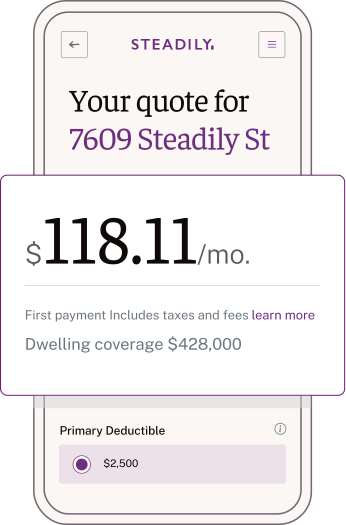
Getting your actual price takes only a few minutes with an online quote.

Short-term rental rules every Nevada host should know

Short-term rental hosts in Nevada answer mostly to local rules rather than a single statewide law, so requirements shift depending on your city. We break that down in our Nevada short-term rental regulations guide.

Typical rules cover who can host, sometimes only owner-occupants, how many guests you can take, and whether you need a permit or license to operate at all.

Occupancy and lodging taxes are part of the deal in most markets; some are handled by the booking platform, others land on you at filing time.

Some cities require proof of liability coverage before they will issue a permit, and even where they don't, a short-term rental policy keeps a compliance gap or a guest claim from turning into a costly problem.

Steadily insured house with a car parked out front

Get coverage in minutes

Competitive rates nationwide. Purpose-built for rental property investors.

Hand-drawn illustration of a row of rental houses