

When fire strikes a rental property, the damage can be devastating for both tenants and property owners. Whether it's caused by faulty wiring, a kitchen mishap, or wildfire exposure, fire damage is one of the most costly risks landlords face. That's why so many property owners ask the same question: does landlord insurance cover fire damage?
The short answer is yes. Most landlord insurance policies do cover fire damage. But the full picture is a bit more nuanced. Let's look at how landlord insurance typically responds to fire-related losses, what you can expect from the claims process, and why having the right policy in place matters more than ever.
Fire damage claims account for roughly 25% of all property insurance claims, with the average claim costing between $50,000 and $100,000. For landlords, those numbers make a strong case for taking fire coverage seriously as part of any real estate investment strategy.
What is fire damage coverage in landlord insurance?
In most landlord insurance policies, fire is considered a covered peril. That means your policy will typically help pay for repairs to the structure of the home, including walls, roof, and floors. It also covers replacement or repair of major systems like HVAC or electrical wiring if they're damaged by fire. Most policies include loss of rental income while the property is being restored and uninhabitable, often called "loss of use" or "fair rental value." In some cases, debris removal and associated cleanup costs are covered as well.
That said, not all landlord insurance policies are created equal. Coverage limits, exclusions, and deductibles vary between carriers, so it pays to read the fine print before you need to file a claim.
Understanding coverage limits and deductibles
When evaluating fire damage coverage, pay close attention to your policy's coverage limits. The dwelling coverage should be sufficient to rebuild your property at current construction costs, not just the property's market value. Construction costs have risen sharply in recent years, so it's worth reviewing your coverage annually to make sure you're not underinsured.
Deductibles for fire damage typically range from $500 to $5,000, depending on your policy. A higher deductible can lower your premium, but make sure you can actually cover that out-of-pocket expense if a claim occurs. Some policies apply separate deductibles for different types of claims, so it helps to understand exactly how fire damage claims are handled under your specific policy before something goes wrong.
Loss of rental income: what landlords should know
One of the most important parts of any landlord fire policy is loss of rental income coverage. When your property becomes uninhabitable due to fire, you stop collecting rent. That gap in income can last weeks or months depending on the severity of the damage. Most policies that include this coverage will pay out for a set period, often 12 months, or until repairs are completed, whichever comes first.
The payout is usually based on the property's fair rental value at the time of the loss, not necessarily what you were charging at the time. Keep detailed records of your lease agreements and local market comparisons. That documentation makes it easier to support your claim and get paid quickly.
What's not typically covered?
Even when fire damage is covered, there are scenarios that may be excluded or require additional endorsements. Arson committed by the landlord or someone acting on their behalf is not covered. Negligent maintenance, like knowingly ignoring fire hazards such as faulty wiring, may result in a denied claim. Tenant belongings are not covered under landlord insurance at all. Tenants need their own renters insurance for that.
A few other exclusions catch landlords off guard. Fires caused by flooding or earthquakes typically require separate coverage. Fires resulting from war, nuclear hazards, or government action are generally excluded as well. Some policies exclude fires caused by tenant negligence, while others cover the property damage but allow the insurer to pursue reimbursement from the responsible party. Knowing these distinctions helps you make smarter decisions about supplemental coverage.
Coverage varies by fire type. The rules around arson get complicated quickly depending on who set the fire and under what circumstances, so knowing your policy's position on intentional fires matters.
The importance of regular property inspections
To avoid potential claim denials tied to negligent maintenance, it's worth building regular property inspections into your routine. Check electrical systems annually, confirm smoke detectors are working, inspect heating systems before each season, and keep egress routes clear. Document everything. If a claim ever comes into question, that paper trail demonstrates you were actively managing fire risk, not ignoring it.
Electrical issues cause roughly 13% of home fires. Have electrical systems inspected by a qualified electrician every three to five years, or sooner if you notice flickering lights, frequently tripped breakers, or any burning smell. In older properties especially, outdated wiring is a real risk. Installing ground fault circuit interrupters in wet areas like bathrooms and kitchens is a simple step that can prevent a lot of damage.
How fire damage affects short-term rentals
If you're renting your property on a platform like Airbnb or VRBO, make sure your landlord insurance policy covers short-term rental activity. Some traditional homeowners policies don't cover fire damage during guest stays, which can leave you with no protection when you need it most. That's a gap worth addressing before you list your property.
Short-term rentals carry elevated fire risks by their nature. Guests aren't familiar with your appliances, safety features, or evacuation procedures. Higher turnover means more wear on electrical systems. Cooking accidents are more common when people are using an unfamiliar kitchen. Consider adding automatic fire suppression systems in kitchens, smart smoke detectors that send alerts to your phone, and fire extinguishers in accessible spots. Post fire safety instructions prominently and make sure they're easy to find. These steps protect your tenants and show your insurer you're taking risk seriously.
A realistic scenario: what a fire claim looks like
Say a tenant accidentally leaves the stove on while cooking, and a kitchen fire spreads to the cabinets, ceiling, and part of the adjacent wall. The property becomes uninhabitable for six weeks while contractors complete repairs. Here's how a typical landlord insurance claim might play out.
You'd report the loss to your insurer right away, ideally the same day. An adjuster would schedule an inspection, usually within a few days. You'd submit documentation including photos, repair estimates, and your current lease agreement showing the monthly rent. The insurer would confirm that the cause of loss is covered, assess the damage, and authorize payment for structural repairs, system replacement if needed, and lost rental income for the restoration period.
That process moves faster when you've already got documentation in place. Keep digital records of receipts for major improvements, copies of your leases, and photos of the property before any damage occurs. Store them somewhere accessible, not just on a hard drive at the property itself.
What to do before filing a claim
Before you contact your insurer, take a few steps to protect yourself and the claim. First, document everything with photos and video. Walk through the property and capture damage from multiple angles, including close-ups and wide shots for context. Note serial numbers on damaged appliances when possible. Create a written inventory of damaged items with approximate purchase dates and values.
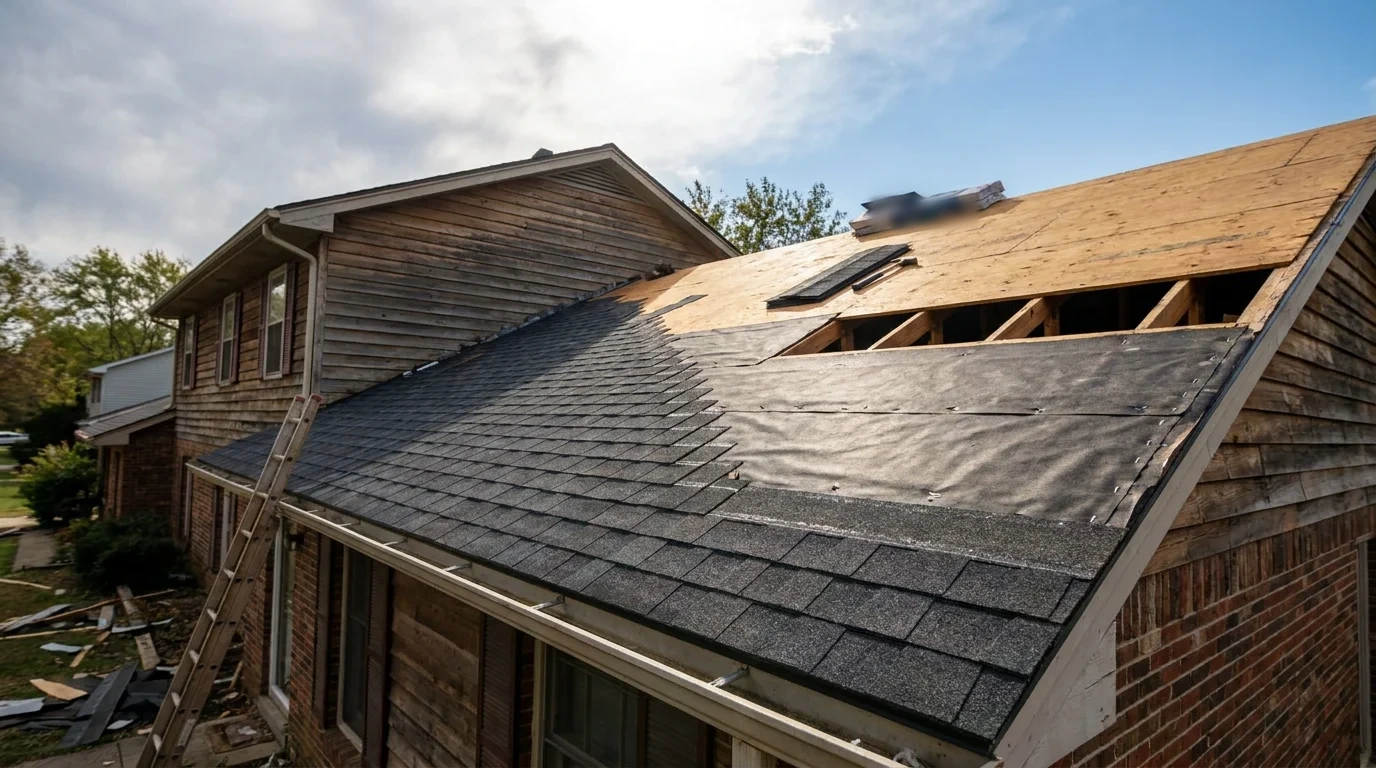
Secure the property to prevent further loss. Board up broken windows, cover any exposed areas of the roof, and do what you can to protect against weather or theft. Keep receipts for anything you spend on emergency protective measures because many policies reimburse those costs.
Contact your insurance provider as soon as possible and let them walk you through the next steps. Avoid starting permanent repairs before an adjuster has inspected the damage. That can complicate your claim or reduce your payout.
How fire coverage affects your premiums
Fire coverage is built into most standard landlord insurance policies, so it doesn't usually come as a separate add-on with a separate line-item cost. That said, several factors influence how much you pay for coverage that includes fire protection.
The location of your property matters a lot. Properties in areas with higher wildfire risk, limited fire department access, or older building stock tend to carry higher premiums. The age and condition of your property's electrical and heating systems also play a role. Insurers look at how you've maintained the property and whether you've taken steps to reduce risk. A landlord insurance cost calculator translates these factors into a concrete premium for your rental.
Proactive measures can work in your favor. Installing smoke detectors, fire extinguishers, and sprinkler systems may qualify you for discounts depending on your insurer. Keeping up with inspections and maintenance demonstrates that you're a lower-risk policyholder. It's worth asking your agent directly what steps could reduce your premium.
Legal and tenant considerations after a fire
Fire damage creates legal complexity that catches a lot of landlords off guard. Depending on local laws and lease terms, tenants may have the right to alternative housing or lease termination if a property becomes uninhabitable. Some jurisdictions require landlords to provide temporary housing or allow tenants to break leases without penalty in those situations.
Including clear fire safety responsibilities in your lease agreement is a smart move. Outline what tenants are expected to do, like maintaining smoke detector batteries, reporting safety hazards promptly, and following fire safety protocols. That clarity helps establish responsibility if an incident occurs and can prevent disputes about who's liable for what.
Fire damage also often reveals code violations or outdated systems that must be corrected during reconstruction. Budget for the possibility that your insurer won't cover every upgrade required to bring the property up to current code. These costs can add up quickly, but the improvements protect your tenants and add long-term value to the property.
Why the right insurance policy matters
Fire damage doesn't just cause physical destruction. It can interrupt rental income for months, strain landlord-tenant relationships, and create expensive legal complications. The right landlord insurance policy helps you recover financially, but it also gives you a framework for responding quickly and confidently when something goes wrong.
General homeowners insurance policies often fall short when it comes to rental properties. They're not designed with a landlord's risks in mind. Specialized landlord insurance addresses liability exposure, loss of rental income, and coverage across multiple units in ways that standard homeowners policies typically don't.
When you're evaluating insurers, look beyond the premium. Consider the company's financial strength, how they handle claims, and whether they have experience specifically with rental properties. Read the policy terms carefully, and don't hesitate to ask questions about exclusions, claim procedures, or what triggers a denial. Being informed before you need to file is always better than finding out the hard way.
Protect your rental from fire risk
Whether you're leasing a home to long-term tenants or listing it on a short-term rental platform, having solid fire coverage isn't optional. It's one of the most fundamental protections a landlord can carry. Review your current policy, close any gaps, and make sure your coverage limits reflect what it would actually cost to rebuild today, not what you paid for the property years ago.
Get a free quote and see how Steadily can protect your rental property today.


.jpg)




.png)