
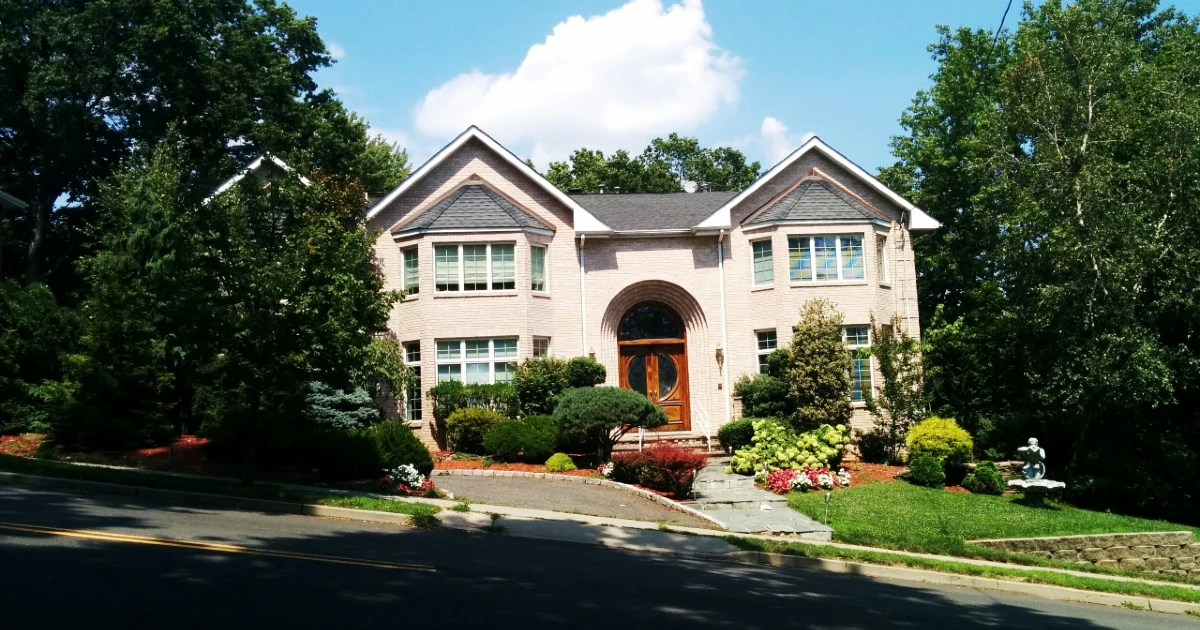
If you’re a landlord or real estate investor in New Jersey, you’ve probably heard about the benefits of owning rental property through an LLC. But how exactly do you set up an LLC for a rental property here, and is it the right choice for you? In this guide, we’ll walk through what an LLC can do for New Jersey landlords, explain the step-by-step process, and cover common questions like costs, timing, and ongoing requirements.
Why New Jersey landlords consider an LLC for rental property
Investing in rental properties is a popular way to build wealth in New Jersey’s diverse housing market. Whether you own a single-family home in Jersey City or a multi-unit in Newark, protecting your personal assets and simplifying management are key concerns.
One common strategy is to form a limited liability company (LLC) to hold the property. This can separate your personal finances from your rental business and may offer some legal protections. But New Jersey has its own rules and fees for LLCs, so it’s helpful to understand the specifics before diving in.
What an LLC is and what it can (and cannot) protect you from as a landlord
An LLC is a business entity that blends some features of corporations and partnerships. It typically offers personal liability protection for its owners (called members), which may help shield personal assets from lawsuits or debts related to the rental property.
However, an LLC isn’t a magic shield. It doesn’t protect you from everything. For example, if you personally guarantee a loan or commit fraud, you can still be held liable. Also, an LLC doesn’t replace the need for good insurance coverage. For more on how insurance complements an LLC, check out our guide on LLC vs umbrella insurance.
If you want a deeper discussion on why should landlords use an LLC, we have you covered there too. Always consult a qualified professional for personalized advice before making any financial decision.
Step-by-step: how to set up an LLC for a rental property in New Jersey
Here’s a straightforward overview of how to set up an LLC in New Jersey specifically for your rental property:
1. Pick a name for your LLC
Your LLC name must be unique and include “Limited Liability Company” or an abbreviation like “LLC” or “L.L.C.” You can check name availability on the New Jersey Business Name Search page.
2. Designate a registered agent
New Jersey requires your LLC to have a registered agent with a physical address in the state. This person or company receives official legal and tax documents on behalf of your LLC.
3. Prepare and file your articles of organization
The articles of organization are a formal document that officially creates your LLC in New Jersey. You’ll need to include basic info like your LLC’s name, registered agent, and business purpose. We’ll cover more about articles of organization below.
4. Pay the LLC filing fee
When you file your articles of organization with the New Jersey Division of Revenue & Enterprise Services, you’ll pay a filing fee. More on costs shortly.
5. Create an operating agreement (optional but recommended)
While New Jersey doesn’t require an operating agreement, it’s wise to have one that details how your LLC is managed and how profits or losses are shared among members.
6. Get an EIN from the IRS
An Employer Identification Number (EIN) is like a Social Security number for your LLC. An EIN is generally needed to open a bank account and file taxes. More on EINs below.
7. Register for New Jersey taxes (if applicable)
Depending on your rental property and business activities, you might need to register for state taxes or permits.
8. File annual reports and maintain compliance
New Jersey requires LLCs to file an annual report and pay a fee to stay in good standing. Details on this step are below.
For official forms and instructions, visit the New Jersey Division of Revenue & Enterprise Services website.
How much does it cost to set up an LLC in New Jersey?
So, how much does it cost to set up an LLC in New Jersey? Here’s a breakdown of typical fees:
- LLC filing fee: $125 to file your articles of organization online or by mail.
- Annual report fee: $75 each year, due by the end of the anniversary month when your LLC was formed.
- Registered agent fees: If you hire a commercial registered agent instead of acting as your own, expect to pay around $100–$300 annually.
- Operating agreement: Usually you can draft your own for free or use an online template.
- Other costs: If you choose to get legal or tax advice, those fees vary.
Keep in mind these fees are specific to New Jersey and can change, so always check the latest info on the state business portal.
How long does it take to set up an LLC in New Jersey?
Timing is important if you’re eager to get your rental property under an LLC.
- If you file online, the New Jersey Division of Revenue typically processes your articles of organization within 7–10 business days.
- Paper filings take longer, usually 10–15 days or more.
- You can request expedited services for an additional fee, which can speed processing to 24 hours or same day in some cases.
Plan accordingly, especially if you’re coordinating property closings or leases.
What are articles of organization and how to file them in New Jersey?
Articles of organization are the foundational documents that officially create your LLC. In New Jersey, you file these with the Division of Revenue & Enterprise Services.
Your articles must include:
- The LLC’s name.
- The county where the LLC’s main office is located.
- The registered agent’s name and address.
- The LLC’s purpose (can be general, like “engaging in any lawful business”).
- The duration, if not perpetual.
You can file online through the New Jersey Business Formation Service, or mail the completed form to the Division of Revenue.
Once accepted and the fee is paid, your LLC is officially formed.
Do I need a lawyer to start an LLC in New Jersey, or can landlords DIY?
Some landlords choose to set up their LLCs on their own using state forms and online services, but you may want to consult a professional to ensure compliance. New Jersey’s process is fairly straightforward.
However, you might want to consult a lawyer or accountant if:
- You have multiple members and want a custom operating agreement.
- You’re unsure about tax implications or asset protection strategies.
- Your rental business has complex ownership or financing.
DIY options save money and work fine for many, but professional advice can help avoid mistakes and ensure your LLC fits your specific needs.
How to get an EIN for an LLC that owns rental property in New Jersey
An EIN (Employer Identification Number) is important for your LLC to open bank accounts, pay taxes, and hire employees (if any).
To get an EIN:
- Go to the IRS website and apply online for free: IRS EIN Application
- You’ll need your LLC’s legal name and formation date.
- You’ll receive your EIN immediately after completing the application.
Many experts recommend getting an EIN even if your LLC has no employees, instead of using your personal Social Security number.
Do LLCs need annual reports and other ongoing compliance in New Jersey?
Yes, New Jersey requires LLCs to file an annual report every year. Here’s what you need to know:
- The annual report fee is $75.
- Reports are due by the end of the anniversary month of your LLC’s formation.
- You file online through the New Jersey Annual Report Filing system.
Failing to file the report or pay the fee may result in penalties or administrative dissolution of your LLC.
Besides the annual report, keep good records, pay any applicable state taxes, and update your registered agent or address if they change.
S corp vs LLC for landlords: what’s the difference?
Many landlords wonder about the difference between forming an LLC versus an S corporation (S corp). Here’s a high-level look:
- LLC: Offers flexibility in management and fewer formalities. Income and losses typically pass through to members’ personal tax returns.
- S corp: Has stricter IRS requirements, limits on shareholders, and often involves more paperwork. Some landlords elect S corp status for potential tax advantages on self-employment taxes, but it’s more complex.
Deciding between an LLC or S corp depends on your investment goals, tax situation, and willingness to handle compliance. Many landlords find starting with an LLC simpler, but you should consult a tax professional.
You may want to consult a tax professional when considering an S corp election.
LLC vs umbrella insurance for rental property risk management
While forming an LLC can provide a liability shield, it’s important to remember that an LLC is not insurance.
Umbrella insurance can provide an extra layer of liability protection beyond your landlord or property insurance policies. It covers claims that might exceed your standard policy limits.
For New Jersey landlords, combining an LLC with good landlord insurance in New Jersey and an umbrella policy can offer stronger risk management.
Learn more about how LLC vs umbrella insurance compare and complement each other.
When does an LLC make sense for landlords in New Jersey?
Forming an LLC may make sense if you want to:
- Limit personal liability related to your rental property.
- Separate your rental business finances from your personal accounts.
- Simplify the transfer or sale of the property.
- Potentially gain credibility with lenders or partners.
However, an LLC isn’t always necessary for small, simple rental setups. Consider:
- The costs and annual fees involved.
- Whether the added paperwork fits your comfort level.
- Your insurance coverage and risk tolerance.
Ultimately, you may want to review your insurance, financing, and legal needs before deciding.
Next steps: review your insurance and legal setup
If you’re ready to set up an LLC for your New Jersey rental property, start by checking the New Jersey Division of Revenue & Enterprise Services site for the latest forms and fees.
Don’t forget to review your insurance coverage to help ensure your property and personal assets are well protected—see our page on landlord insurance in New Jersey to get a quote today.
Remember, this guide is for general information. For personalized advice on how to set up an LLC for a rental property or tax questions, talk to a qualified attorney or tax professional who understands New Jersey laws.



.jpg)




.png)