
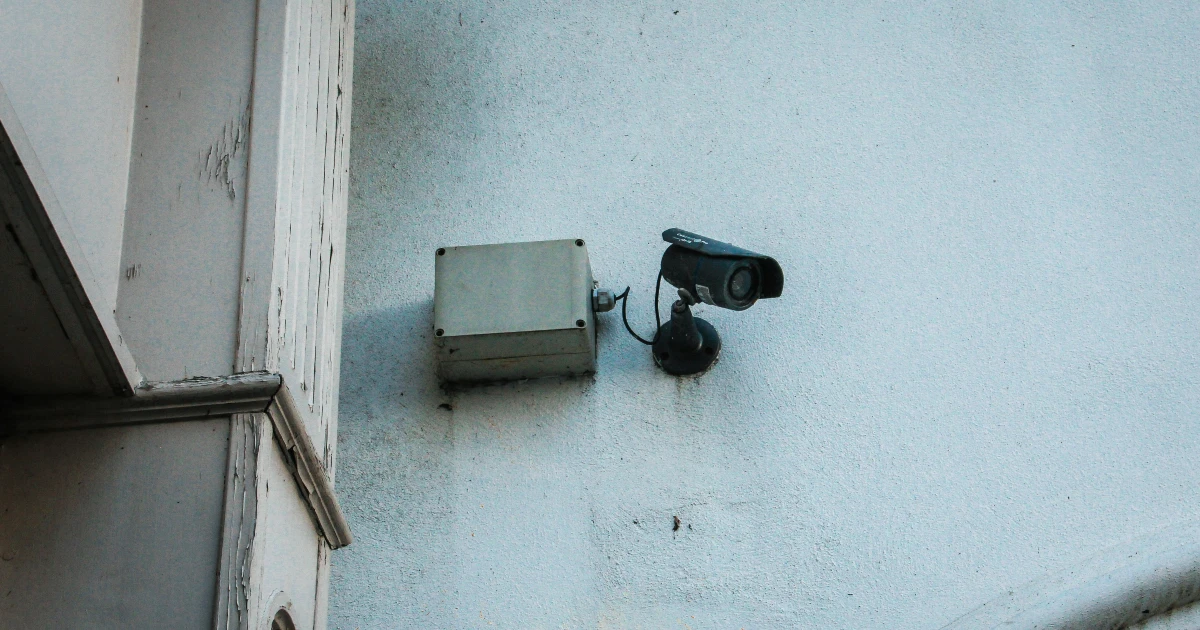
If a tenant is harmed or a crime occurs due to broken locks, poor lighting, or other gaps in security, a landlord may be held liable. Inadequate safety measures can lead to serious legal consequences, especially when they result in injury or property loss.
Security-related incidents on rental properties are more common than many landlords realize. According to the FBI's Crime Data Explorer, property crimes occur every 4.1 seconds in the United States, making adequate security measures important for protecting both tenants and property owners from liability risks.
Landlord liability insurance helps cover legal defense costs and settlements when a property's security deficiencies contribute to a tenant lawsuit.
Key points
- Landlords may be sued when poor security contributes to tenant harm
- Common issues include broken locks, no lighting, or unsecured entrances
- Liability coverage helps pay for legal costs and damages
- Proactive security measures can significantly reduce liability risks
- Documentation and quick response to tenant concerns are essential
What are security failures?
Security failures are conditions on a rental property that make it easier for crimes to happen, or that fail to prevent them. These can include faulty or missing exterior door locks, broken or unsecured entry gates, poorly lit hallways, stairwells or parking lots, inaccessible emergency exits, and a lack of cameras in high-risk areas.
Common types of security vulnerabilities
Beyond the basics, landlords should also watch for these additional risks:
- Windows without proper locks or security bars on ground floors
- Overgrown landscaping that creates hiding spots
- Malfunctioning intercoms or buzzer systems in multi-unit buildings
- Inadequate mailbox security leading to mail theft
- Missing or broken peepholes in apartment doors
- Compromised fire doors that don't close properly
- Unsecured basement or storage areas
When tenants report these issues and no action is taken, landlords may face legal claims of negligence or unsafe housing conditions.
The legal standard: foreseeability
Courts often examine whether a security incident was "foreseeable" based on the property's history and neighborhood crime statistics. If similar crimes have occurred in the area or on the property before, landlords are expected to take reasonable precautions to prevent future incidents.
When landlords are liable
Landlords have a duty to keep rental properties reasonably safe. If a crime or injury occurs and it's shown that a known security flaw contributed to it, legal liability may follow.
These lawsuits often involve:
- Assault or robbery due to lack of lighting or locks
- Break-ins made possible by faulty entrances
- Tenant claims for emotional distress, trauma, or unsafe living environments
State-specific requirements
Landlord obligations vary significantly by state and municipality. Some jurisdictions have specific requirements for minimum lighting levels in common areas, mandatory security features for buildings over a certain size, required response times for security-related repairs, and specific lock types and installation standards. It's worth checking your local landlord-tenant laws before assuming the basics are enough.
The doctrine of premises liability
Under premises liability law, property owners must maintain their premises in a reasonably safe condition. This includes protecting tenants from foreseeable criminal acts by third parties when the landlord has control over the area where the incident occurred.
Even without direct fault, failing to maintain or repair known security risks can be enough to trigger legal action. If a tenant warned you about a broken gate and you didn't fix it before a break-in occurred, that paper trail can work against you in court.
How liability insurance responds
If a tenant files a lawsuit after a criminal incident tied to poor security, landlord insurance can help cover legal defense costs, attorney and court fees, damages awarded by a court, and settlements paid outside of court. This coverage helps prevent landlords from having to pay these costs out of pocket.
Coverage limits and considerations
When selecting liability coverage, landlords should think about the property's location and local crime rates, the number of units and tenant turnover, the age and condition of existing security features, local court award averages for similar cases, and whether an umbrella policy is needed for extra protection.
Example scenarios
Here are some situations where a landlord's security failures led to legal exposure:
- A tenant is robbed in a dark parking lot where several lights had been out for weeks
- Someone breaks into an apartment because the front gate latch was broken
- A former tenant uses an unrekeyed key to enter an occupied unit
- An intruder gains access through an unsecured basement entrance and assaults a tenant
- A delivery person is attacked in a poorly lit stairwell with no working security cameras
- Mail theft occurs repeatedly due to broken mailbox locks, leading to identity theft
These situations show how quickly security lapses can lead to legal trouble. For a broader look at how coverage applies when legal action is filed, see this overview of whether landlord insurance covers lawsuits.
What landlord insurance typically doesn't cover
Liability insurance is a valuable safety net, but it doesn't cover everything. Understanding the exclusions helps you plan better and avoid surprises when you need to file a claim.
Most policies won't cover intentional acts by the landlord. If a court finds that you knowingly ignored a dangerous condition, some insurers may dispute coverage on those grounds. Criminal liability on your part, such as fraud or deliberate harm, is also excluded in virtually every policy.
Injuries that happen inside a tenant's private unit, rather than in common areas, may fall outside your liability coverage since the tenant controls that space. Similarly, if a tenant's own negligence was the primary cause of an incident, coverage may be limited or denied.
Personal injury claims that involve discrimination, harassment, or wrongful eviction are usually handled separately and may require additional coverage riders. Some landlords also mistakenly assume their general liability policy covers business-related injuries, such as an employee or contractor getting hurt on site. That typically requires a separate workers' compensation or commercial policy.
Reading your policy carefully and asking your insurer about specific exclusions before an incident happens is always a better approach than finding out at claim time.
Minimizing your liability exposure
Perform routine safety inspections
Regular inspections are one of the most practical things you can do. Check locks, lighting, and gates on a set schedule, fix reported issues promptly, and document every step of the process. A monthly security checklist for each property helps make sure nothing gets missed, including testing motion sensors and inspecting landscaping that could create concealment opportunities for criminals.
Prioritize tenant communication
Respond quickly to safety concerns and keep a written record of all tenant complaints along with your follow-up actions. Providing tenants with a clear process for reporting security issues, and making sure they actually know how to use it, reduces the chance that a problem lingers unaddressed. Setting up emergency contact protocols for after-hours concerns is also worth the effort.
Update security features
Rekey locks between every tenant. Add motion-sensor lighting in dark areas. Consider camera systems or smart lock upgrades for multi-unit properties. Make sure all exterior doors have deadbolts that meet local code requirements. These aren't just liability-reduction strategies; they also help attract and retain tenants who care about their safety.
Risk assessment strategies
Conducting regular risk assessments helps identify vulnerabilities before they become legal problems. Reviewing local crime statistics, walking the property at different times of day, gathering tenant feedback about safety concerns, and consulting with a security professional are all reasonable steps. Document every assessment and the improvements that followed.
Building relationships with local law enforcement
Maintaining a positive relationship with local police benefits both security and your liability position. Requesting periodic property security assessments, participating in neighborhood watch programs, and reporting suspicious activity promptly all demonstrate that you take tenant safety seriously. That kind of documented effort can matter if your practices are ever called into question in court.
More liability coverages:
- Wrongful eviction
- Structural failure
- Slip-and-fall injuries
- Dog bites and pet-related injuries
- Ultimate guide to landlord liability insurance
Technology solutions for enhanced security
Modern technology gives landlords cost-effective ways to improve property security without major construction or expensive contracts.
Smart security systems
Options worth considering include wireless security cameras with mobile monitoring, smart doorbell systems that record visitors, keyless entry systems that remove the risk of copied or lost keys, and motion-activated lighting that also saves on energy costs. Many of these systems can be monitored remotely from a phone, which is especially useful for landlords managing properties from a distance.
Cost-benefit analysis
When evaluating security improvements, compare the upfront cost to the potential cost of a lawsuit. Basic lighting upgrades typically run $200 to $500 per property. Security camera systems range from $500 to $2,000. Smart lock installations cost around $150 to $300 per door. A professional security assessment might run $200 to $500. Those figures look very different when compared to lawsuit settlements that can reach anywhere from $10,000 to $500,000 or more.
Documentation and record-keeping
Proper documentation is one of your best defenses if a liability claim is filed. Courts and insurers both look at the paper trail, and having organized records can be the difference between a dismissed claim and a costly settlement.
Essential records to maintain
Keep records of all tenant security-related complaints and your responses, maintenance logs for security equipment, photos of improvements and repairs with timestamps, communication records related to security issues, police reports and incident documentation, and any professional security assessment reports.
Digital documentation systems
Using digital tools makes record-keeping easier and harder to lose. Cloud-based property management software, mobile apps for maintenance tracking, digital photo storage with automatic timestamps, and electronic signature systems for acknowledgments all help keep your records organized and accessible if you ever need to produce them quickly.
What to do before filing a claim
If a tenant is injured or a crime occurs on your property and you think a liability claim may follow, a few steps taken early can make a real difference in how the situation plays out.
First, don't alter or repair the condition that allegedly contributed to the incident until it's been documented. Take photos and video of the area as it was at the time. Collect any relevant maintenance records showing when you were last notified of the issue and what action was taken.
Contact your insurance carrier as soon as you're aware of a potential claim, even before a formal lawsuit is filed. Most policies require timely notification, and waiting too long can create complications with your coverage. Your insurer will assign an adjuster who can guide you through the process and advise on what communication is appropriate with the injured party.
Avoid making statements that could be interpreted as admissions of fault. Even a casual apology can sometimes be used against you in a legal proceeding. Let your insurer and legal counsel handle direct communication with the claimant.
If the incident involved a slip-and-fall or another common injury scenario, your insurer will likely have handled similar cases before. Giving them complete and accurate information from the start puts you in the best position.
Frequently asked questions
Does liability insurance cover criminal acts committed by third parties?
Generally, yes, if the landlord's negligence contributed to the conditions that made the crime possible. The claim would be against the landlord's failure to maintain safe premises, not against the criminal directly. The actual perpetrator carries their own liability, but landlords can be held separately accountable for foreseeable security failures.
What if the tenant was partly at fault?
Many states follow comparative negligence rules, which means liability can be divided based on each party's share of fault. If a tenant propped open a security door and was subsequently assaulted, a court might find that the tenant's own actions reduced the landlord's percentage of liability. How this plays out depends heavily on state law and the specific facts of the case.
Does landlord insurance cover personal injury claims from guests, not just tenants?
Yes, liability coverage typically extends to injuries suffered by anyone on the property, including visitors and guests. If a tenant's visitor is injured due to a security failure on a common area of the property, the landlord could face a claim just as they would from the tenant themselves.
How much liability coverage is enough?
Most standard landlord policies include $100,000 to $300,000 in liability coverage, but many attorneys recommend higher limits for rental properties in areas with elevated crime rates or multi-unit buildings. An umbrella policy can provide additional protection above your base policy limits and is often worth the relatively modest added cost.
Final thoughts
Security failures aren't just maintenance problems. They can turn into costly legal liabilities when someone is hurt or a crime occurs on your property. The financial impact of security-related lawsuits can be severe, with settlements ranging from thousands to hundreds of thousands of dollars before legal fees are even factored in.
Landlords who invest in proper security measures, maintain detailed documentation, and respond quickly to tenant concerns put themselves in a much better position. Regular property assessments, clear tenant communication, and staying current with local safety requirements are practical steps that reduce real risk.
Pairing those habits with solid landlord liability insurance means that when something unexpected does happen, you're not facing it alone or paying for it entirely out of pocket. Security is an ongoing responsibility, and the small investments made in prevention almost always cost less than the litigation and settlements that follow when prevention is skipped.



.jpg)




.png)