
When it comes to protecting your rental property investment, landlord liability insurance stands as one of your most critical safeguards. When someone else lives in your home, you open yourself up to a world of risk; liability insurance protects you from lawsuits based on events out of your control that occur at your property.
Yet despite its importance, misconceptions about liability coverage continue to cost property owners thousands of dollars in unexpected claims, fines, and legal battles. Understanding the truth behind common liability myths isn't just about avoiding surprises; it's about making informed decisions that genuinely protect your assets, your tenants, and your financial future.
From counterintuitive snow removal risks to surprising gaps in standard policies, these four myths reveal the hidden complexities every landlord should understand.
Myth 1: Salting your walkways always reduces your liability
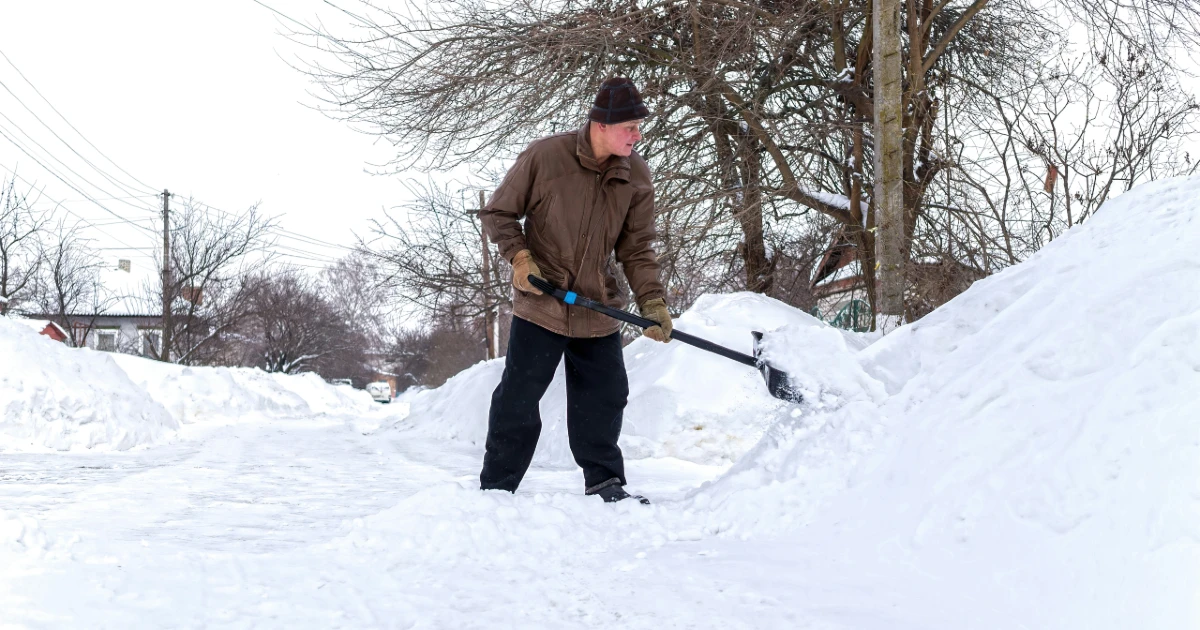
It's the winter, and cities across America have been getting pounded with snow. Property owners have the instinct to immediately shovel the walkways outside of their home, then cover it with salt. But here's a winter liability myth that catches landlords off guard every year: property owners who salt their walkways but do a poor job of it can actually face greater liability than those who leave the snow untouched.
This counterintuitive reality stems from what's known as the "affirmative act" doctrine. When you attempt snow or ice removal, you're taking on a duty of care. Courts in many states have ruled that a landlord who clears snow negligently or inadequately may be held more liable than one who didn't clear it at all.
For example, if you lightly salt a walkway but the salt doesn't effectively melt the ice, someone could slip thinking the path is safe when it's actually still hazardous. The expectation of safety created by your visible effort can be more dangerous than an obviously icy, unsalted surface that pedestrians would approach with caution.
In Arkansas, property owners hold zero liability until they actually move the snow. Once snow removal begins, they become liable if an accident occurs as a result of their removal efforts. This strange legal landscape exists in several states.
According to legal experts interviewed by St. Louis Public Radio, creating a hazard during snow removal significantly increases liability. If you shovel snow and spray it with water, dump water to create ice, or pile snow in ways that cause melt-and-refreeze situations, you've created an "unnatural accumulation" that makes you liable.
The key takeaway? If you're going to salt or shovel, do it thoroughly and properly:
- Use adequate amounts of salt or ice melt products
- Clear snow down to the pavement, not just creating a narrow path
- Pay attention to trouble spots where water collects and refreezes
- Document your snow removal efforts with timestamps and photos
- Consider hiring professional services with their own liability insurance
Most municipalities require property owners to clear sidewalks within a specific timeframe after snowfall ends. In New York City, for instance, property owners must remove snow and ice within four hours after snowfall stops. When ice is frozen too hard to remove, NYC law requires spreading sand, salt, or similar materials to provide traction.
Don't let this myth discourage you from winter maintenance entirely. The goal is to do it right, not to avoid it altogether. Proper snow and ice removal remains your legal responsibility in most areas and your ethical obligation to keep people safe.

Myth 2: Your liability coverage protects you from discrimination claims
Many landlords mistakenly believe their standard liability insurance policy will defend them if a tenant files a discrimination lawsuit. Unfortunately, most landlord liability insurance policies explicitly exclude coverage for Fair Housing Act violations and other discrimination claims.
Landlord liability coverage typically protects against bodily injury and property damage claims, such as when a tenant or visitor slips and falls on your property. It doesn't cover civil rights violations, including claims of housing discrimination based on race, religion, national origin, familial status, disability, or other protected characteristics.
Here's what standard landlord liability coverage usually excludes:
- Fair Housing Act violation lawsuits
- Americans with Disabilities Act (ADA) compliance claims
- Employment discrimination if you have on-site staff
- Intentional acts or willful misconduct
- Civil rights violations
A discrimination lawsuit can cost tens of thousands of dollars in legal fees alone, even if you ultimately prevail. Settlements and judgments can reach six figures or more.
The best protection combines proper insurance with preventive practices:
- Maintain consistent screening criteria for all applicants
- Document all tenant interactions and decisions
- Never refuse to rent based on protected characteristics
- Make reasonable accommodations for tenants with disabilities
- Train property managers on fair housing laws
- Review and update rental policies regularly
Even with the right coverage, prevention remains your best strategy. One discrimination claim can damage your reputation and business relationships long after the case resolves.
Myth 3: Guest injuries are automatically covered by your liability insurance
While landlord liability insurance does cover many guest injuries on your property, significant exceptions exist that can leave you financially exposed when accidents occur.
Standard policies typically cover bodily injuries to guests resulting from:
- Slip and fall accidents on walkways, stairs, or common areas
- Injuries from falling objects or structural failures
- Accidents in amenity areas like pools, gyms, or playgrounds
- Dog bites from your own pets (with breed restrictions)
However, coverage often excludes or limits protection for:
- Intentional acts by you, your employees, or your tenants
- Injuries during excluded activities like trampolines or certain water sports
- Assaults or criminal acts, even if better security could have prevented them
- Injuries from known hazards you failed to address
- Claims exceeding your policy limits
The "known hazard" exclusion creates particular risk. If you're aware of a dangerous condition and fail to fix it within a reasonable timeframe, your insurer might deny a claim when someone gets hurt. This is why maintaining detailed records of property inspections, repair requests, and completed maintenance is critical.
Guest injuries can also trigger claims that exceed your policy limits. A serious injury requiring extensive medical treatment, long-term care, or resulting in permanent disability can generate damages far beyond a standard $1 million liability policy. Without umbrella or excess liability coverage, your personal assets become vulnerable.
Many policies also include per-occurrence and aggregate limits. The per-occurrence limit caps what the insurer pays for any single incident, while the aggregate limit caps total payments for all claims during the policy period. Multiple claims in one year could exhaust your coverage.
Consider these protection strategies:
- Review your policy's exclusions carefully with your agent
- Increase liability limits beyond the standard $1 million
- Add umbrella liability coverage for an extra layer of protection
- Address all known hazards immediately and document repairs
- Install adequate security features in common areas
- Post proper signage about potential risks
- Require tenants to carry renters insurance with liability coverage
Remember, guest injuries often lead to lawsuits naming both you and your tenant. Your tenant's renters insurance may provide their own defense, but your liability coverage must still respond to claims against you as the property owner.
Myth 4: Your homeowners insurance covers you when you rent out your property
This myth ranks among the most dangerous misconceptions in real estate investing. Homeowners insurance policies almost universally exclude coverage once you rent out a property, leaving landlords completely unprotected without realizing it.
Standard homeowners policies are designed for owner-occupied residences. The moment you rent your property to someone else, your risk profile fundamentally changes. Insurers know that rental properties face higher liability exposure from tenant behavior, more frequent property use, and increased traffic from guests and service providers.
Most homeowners policies contain explicit exclusions for business activities, and renting property qualifies as business use. This means when a tenant or guest gets injured on your rental property, your homeowners insurer can deny the claim entirely, leaving you to pay defense costs and any judgment from your own assets.
The coverage gaps between homeowners and landlord policies include:
- Loss of rental income if the property becomes uninhabitable
- Liability for tenant activities and guest injuries
- Property damage from vandalism or malicious acts
- Legal defense costs for tenant disputes
- Fair rental value during repairs
Even if you only occasionally rent your property through platforms like Airbnb or VRBO, your homeowners policy likely won't cover incidents during rental periods. Some insurers offer short-term rental endorsements, but coverage is typically limited.
Converting from homeowners to landlord liability insurance isn't just about compliance. It's about having coverage actually designed for the exposures you face. Landlord policies include features specifically relevant to rental properties:
- Tenant discrimination liability options
- Ordinance or law coverage for building code upgrades
- Vandalism and malicious mischief coverage
- Intentional damage by tenants
- Additional living expense coverage if repairs are needed
The cost difference between homeowners and landlord insurance is typically 15-25% higher for landlord coverage. However, this modest increase in premium protects you from potentially catastrophic financial exposure.
Some landlords attempt to maintain homeowners insurance and simply don't inform their carrier about the rental activity. This strategy backfires when you file a claim and the insurer discovers the property was rented. They'll deny coverage and potentially cancel your policy for material misrepresentation.
If you're transitioning from owner-occupied to rental use, contact your insurance agent before placing your first tenant. The coverage switch must happen simultaneously with your first rental agreement to avoid any gaps in protection.
Understanding state-specific liability requirements
Liability insurance requirements and landlord responsibilities vary significantly by state, creating additional complexity for property owners operating across multiple jurisdictions.
Some states have specific requirements about landlord liability insurance minimums, while others leave coverage levels to individual judgment. Several states also impose unique obligations on landlords that affect liability exposure:
- Mandatory disclosure requirements about property conditions
- Specific timeframes for addressing maintenance issues
- Required security features like smoke detectors, carbon monoxide alarms, and deadbolts
- Landlord responsibilities for pest control, mold remediation, or lead paint hazards
For example, Colorado's Premises Liability Act specifically addresses snow removal, stating that failure to remove snow and ice constitutes negligence per se. California law makes improper snow disposal onto public property a misdemeanor. New Jersey requires property owners to remove snow from sidewalks within 12 daytime hours after snowfall stops.
Understanding your state's specific requirements isn't optional. Failure to comply with state landlord-tenant laws can affect both your legal standing and insurance coverage. Many liability claims gain traction when landlords violate state regulations, and insurers may limit coverage when violations contribute to injuries.
State requirements for maintaining habitability also impact liability exposure. Most states mandate minimum standards for heating, plumbing, electrical systems, and structural soundness. When landlords fail to meet these standards and injuries result, courts typically find them negligent.
Protecting yourself beyond insurance
While adequate landlord liability coverage forms your financial foundation, comprehensive risk management extends beyond insurance premiums. Smart property owners implement multiple layers of protection to minimize liability exposure.
Start with thorough tenant screening. Quality tenants reduce your liability risks by maintaining properties better, causing fewer disturbances, and generating fewer disputes. Verify employment, check references carefully, and review credit and criminal background reports within legal bounds.
Document everything related to your rental operations:
- All maintenance requests and completion dates
- Property inspection reports with photos
- Communication with tenants about repairs or issues
- Lease agreements and addendums
- Receipts for all property improvements and repairs
This documentation becomes critical evidence if claims arise. It demonstrates your commitment to proper maintenance and can refute allegations of neglected repairs or ignored hazards.
Conduct regular property inspections according to your lease terms and state law. These inspections help you identify and address potential hazards before accidents occur. Most states allow landlords to inspect rental properties with proper notice, typically 24-48 hours.
Maintain properties proactively rather than reactively. Don't wait for things to break. Replace worn fixtures, address minor issues before they become major problems, and keep common areas in excellent condition. The cost of prevention is almost always less than the cost of liability claims.
Consider forming an LLC to hold rental properties. This legal structure creates separation between your personal assets and your business activities, potentially limiting your personal liability exposure. Consult with an attorney about the best entity structure for your situation.
Finally, build relationships with reliable contractors who can respond quickly to maintenance issues. Fast response to repair requests reduces tenant frustration and limits the time hazardous conditions exist on your property.
Conclusion
Landlord liability insurance protects one of your most valuable business assets, but only when you understand what it actually covers and where dangerous gaps exist. The myths we've explored reveal how assumptions about liability coverage can leave property owners financially exposed when accidents and claims occur. Steadily provides comprehensive liability coverage in their standard policies; get a landlord insurance quote today to see how we can protect your property.
From the counterintuitive risks of inadequate snow removal to the critical gaps in discrimination coverage, each myth highlights why careful policy review and risk management matter. Your standard policy likely contains exclusions that could cost you tens of thousands in legal fees and settlements if you're not properly protected.
Take time to review your current coverage with an experienced insurance agent who specializes in rental properties. Ask specific questions about exclusions, limits, and endorsements that could fill dangerous coverage gaps. Consider umbrella policies for an extra layer of protection, and ensure your tenant screening processes include requiring renters insurance with adequate liability limits.
Remember that insurance is only part of a comprehensive liability protection strategy. Combine proper coverage with diligent property maintenance, thorough documentation, and proactive risk management practices. The investment in proper protection costs far less than a single uninsured claim could.
Don't let misconceptions about your coverage leave you vulnerable. Understanding these common myths represents your first step toward truly protecting your rental property investment.


.jpg)




.png)