

Your tenant asks to sublet. By statute, an unauthorized sublet is a substantial breach of the lease, and a tenant cannot cure profiteering on a rent-stabilized unit. NYC OSE tightened short-term-rental enforcement in 2025 and 2026, filing the city's first Local Law 18 lawsuits, while fines ran up to $5,000 per unregistered transaction under 30 days and courts actively litigated Good Cause notice requirements.
What is subletting in New York?
Subletting puts the tenant of record (also called the master tenant) between you and the occupant. You still hold the lease with the master tenant; the master tenant signs a separate agreement with the subtenant. The original tenant becomes a middle layer, with landlord-like obligations to the subtenant and unchanged obligations to you. A subtenant has no contract with you unless they expressly assume lease obligations.
Key roles and terms
Each role carries different rights and exposure, and those roles determine who you can collect from:
- Role | Also called | Owes what, to whom
- Landlord | Owner, prime lessor | Reasonable-consent decision owed to the tenant under RPL § 226-b
- Original tenant | Sublessor, master tenant, prime tenant | Full rent and all lease obligations to the landlord; deposit compliance to the subtenant
- Subtenant | Sublessee | Rent and sublease obligations to the original tenant only; nothing directly to the landlord unless expressly assumed
Subletting vs. subleasing vs. lease assignment
Subletting and subleasing are the same thing. Assignment is different, and New York courts drew the line in Gillette Bros., Inc. v. Aristocrat Rest., Inc. (1924): an assignment transfers the tenant's entire remaining lease term with no reversion, while a sublease transfers less than the whole term, with the tenant keeping the right to return. The assignee owes the landlord directly. Either way, the original tenant stays liable unless the landlord grants a release.
You may withhold consent to an assignment unconditionally; in a qualifying building you cannot unreasonably withhold consent to a sublet.
How subletting works under New York law
Real Property Law Section 226-b (RPL § 226-b) gives tenants in buildings with four or more residential units a right to sublet with landlord consent and bars you from unreasonably withholding it, meaning you must have a reasonable objection to deny the request.
Landlord consent and permission
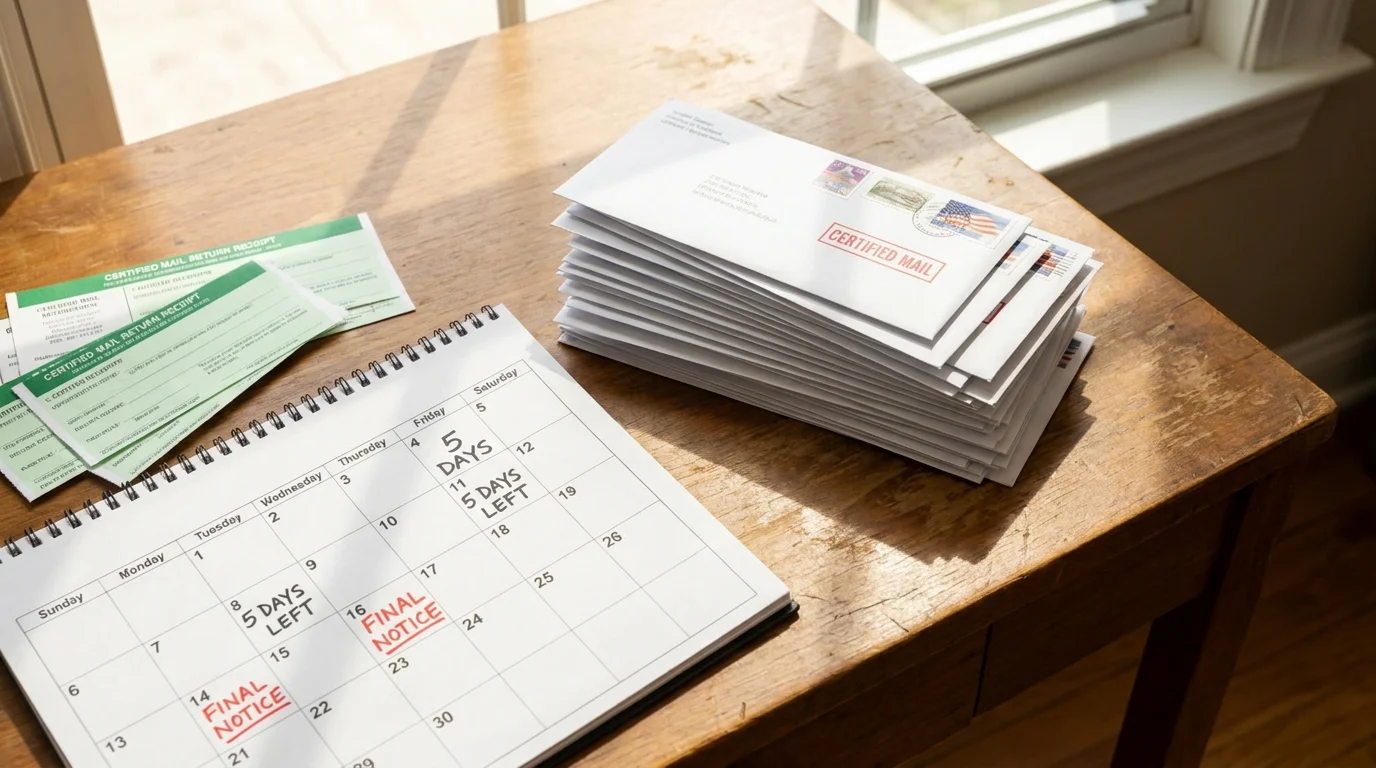
Check the lease first, but no lease can waive the § 226-b right; any provision purporting to do so is null and void. In a building with three or fewer units no statutory right applies, so the tenant must negotiate with you directly. The tenant triggers the process with a certified-mail request, return receipt requested, containing seven items:
- the sublease term
- the proposed subtenant's name
- their business and permanent home addresses
- the tenant's reason for subletting
- the tenant's address during the sublease
- written consent of any co-tenant or guarantor
- a copy of the proposed sublease with the tenant's own lease attached if available
Within 10 days, the landlord may request additional information, provided the request isn't unduly burdensome. Within 30 days of the mailing of the request (or of the additional information, whichever is later), the landlord must send written consent or a denial with stated reasons. Miss the 30-day window and you have consented.
If the landlord unreasonably withholds consent, the tenant may proceed with the sublet and may recover costs and attorneys' fees if the landlord acted in bad faith.
New York City and New York State rules
The NY AG guide uses the same four-unit cutoff. Section 226-b also excludes public housing and cooperative proprietary leases.
Rent-stabilized tenants face a second layer under 9 NYCRR § 2525.6 of the Rent Stabilization Code. New York amended that rule effective November 8, 2023:
- the tenant must keep the apartment as their primary residence at all times, with intent to return when the sublease ends
- the Rent Stabilization Code caps subletting at two years total within the four-year period preceding the sublease's termination date; notably, the same November 8, 2023 amendment removed language that had previously allowed a prime tenant to collect a vacancy increase from a subtenant, meaning the prime tenant can no longer pass one on when subletting
- renewal lease rights belong to the prime tenant
- the Rent Guidelines Board advises stabilized tenants to send the consent request at least 30 days before the proposed sublet
Most 4+ unit buildings in NYC are Class A multiple dwellings, and MDL § 4 defines permanent residence as occupancy by the same person for 30 consecutive days or more. Any sublet under 30 days violates the MDL regardless of landlord consent.
Original tenant liability
Sublet or not, the tenant of record remains fully liable to you for rent and for the subtenant's acts and omissions, as if no sublease existed; § 226-b says so expressly. You cannot bill the subtenant directly. You can sue the subtenant for possession, but the money judgment comes from the tenant of record. The First Department held in Cooper v. Monterey 96 St. LLC (2024) that a sublease made without consent is voidable, so your course is to proceed against the tenant of record.
Key requirements and steps to sublet
A compliant sublet needs a certified-mail request and a written sublease. If the tenant collects a deposit, GOL § 7-108 controls how they hold and return it.
Step-by-step process
Follow this order because § 226-b requires the request to name the proposed subtenant and attach the sublease:
- The tenant reads the lease and confirms the building qualifies: four or more units means the § 226-b right exists, fewer means the tenant needs the lease or your goodwill.
- The tenant screens the proposed subtenant under the $20 fee cap, and in NYC, under the Fair Chance rules.
- The tenant drafts the sublease with the payment terms and house rules, with term dates stated clearly.
- The tenant sends the certified-mail request with all seven required items.
- Both parties sign the sublease.
- The tenant documents the unit's condition with dated photos before move-in.
- The tenant collects rent and holds any deposit in compliance with GOL § 7-108.
Before you consent, ask for the signed sublease and the certified-mail receipt.
What a sublease agreement must include
The sublease is the tenant of record's only enforceable document against the subtenant, so whether you start from a subletting agreement template or draft your own, the workable version puts these terms in writing:
- rent amount and payment date
- start and end dates
- deposit terms
- the house rules carried over from the master lease, with a copy attached
- language confirming the subtenant's obligations run to the tenant of record
For stabilized units, the sublease term may lawfully run past the tenant's own lease expiration, and you cannot refuse consent solely on that ground under § 2525.6.
Screening subtenants
The law treats the tenant of record as a landlord for screening purposes. RPL § 238-a names sub-lessors expressly: no application fee, and background plus credit check fees capped at actual cost or $20, whichever is less. The sublessor must waive the fee if the applicant brings a qualifying check from the past 30 days, and cannot collect it without giving the applicant a copy of the report and a receipt.
The tenant blacklist ban (RPL § 227-f) bars rejecting someone for a past or pending housing court case.
In NYC, the Fair Chance for Housing Act (effective January 1, 2025) covers sublessees as housing providers. A sublessor must make a written conditional offer before looking at conviction history, may then consider only felonies from the last 5 years and misdemeanors from the last 3, and must give the applicant the records relied on, 5 business days to respond, and a written individualized assessment before revoking an offer.
If a third-party screening report leads to a denial, the sublessor must send an FCRA adverse-action notice naming the reporting agency and the applicant's dispute rights.
As the owner, you may make a variety of inquiries about the proposed subtenant. The narrow limits apply to roommates under RPL § 235-f: names, ages, and relationship to the tenant.
Security deposits in a sublease
The deposit securing the master lease stays with you. GOL § 7-103 requires deposits to be held in trust and not commingled, so the subtenant's deposit stays separate from it. GOL § 7-108 contains no carve-out for sublessors, and courts have treated a sublessor as an owner, so the prevailing view is that the same obligations apply to the tenant of record: cap the deposit at one month's rent, offer a move-in inspection, and return it within 14 days after the subtenant vacates with an itemized statement for anything withheld. Miss the 14-day deadline and the tenant forfeits the right to keep any of it; a willful violation adds punitive damages up to twice the deposit.
Rent limits
In a stabilized unit, the prime tenant may not charge the subtenant more than the legal regulated rent, plus at most a 10% surcharge if the unit is sublet fully furnished. A tenant who charges more owes the subtenant treble damages, and the prime tenant may not demand "key money." The Rent Stabilization Code rent cap applies only to rent-stabilized units.
How subletting fits into your options
Subletting is one of three ways out of a lease the tenant can't finish.
Subtenant rights
New York's Good Cause Eviction Law (RPL Article 6-A, effective April 20, 2024) establishes a just cause for eviction standard that expressly defines "tenant" to include sublessees, so if you are a covered subtenant you can invoke that just cause for eviction protection to challenge non-renewals and rent increases above the local standard, which stood at 8.79% for NYC as of February 19, 2025. Good Cause exempts a sublessor who in good faith seeks the unit back for personal use. Other exemptions cover landlords owning 10 or fewer units, owner-occupied small buildings, and rent-regulated apartments.
New York's implied warranty of habitability (RPL § 235-b) runs to the subtenant through the sublease, so the tenant of record answers the repair and condition complaints first.
The Housing Stability and Tenant Protection Act (HSTPA) sets a procedural floor that applies to tenants and occupants without expressly excluding subtenants:
- a 14-day written rent demand before any nonpayment case
- a rent-only rule for nonpayment cases under RPAPL § 702
- a 14-day marshal's notice before eviction
- 30/60/90-day non-renewal notices under RPL § 226-c based on occupancy length
Risks for the original tenant
Every risk in a sublet lands on the tenant of record, which is why your consent conditions matter more than the sublease itself:
- Risk | Exposure | What to verify before consenting
- Subtenant stops paying | The tenant of record owes you full rent regardless | Screening records for credit and income; a one-month deposit held under GOL § 7-108
- Subtenant damages the unit | The tenant of record is liable to you as if no sublease existed | Dated move-in photos; the deposit; repair obligations written into the sublease
- Rent overcharge (stabilized) | Treble damages to the subtenant, plus incurable eviction exposure for profiteering | Confirm the sublease rent is no more than the legal rent plus 10% furnished
- Unauthorized sublet | Substantial breach of lease; holdover proceeding | The certified-mail receipt and all seven § 226-b items
- Loss of stabilized tenancy | Non-primary-residence proceeding at lease expiration | The tenant must keep the unit as a primary residence and stay within the two-year/four-year limit
Eviction risks of unauthorized subletting
For a curable unauthorized sublet, the landlord serves a Notice to Cure with a 10-day cure period, then a Notice of Termination if the violation continues, then files a holdover petition in Housing Court. The landlord must serve the holdover petition 10 to 17 days before the hearing under RPAPL § 733. Even after judgment, RPAPL § 753(4) gives the tenant a 30-day stay to cure a lease breach.
Stahl Assoc. LLC v. Alexandersson (2020) held that a violation of RSC § 2525.6(b) is "not capable of cure," so the landlord skips the Notice to Cure and moves straight to termination.
Subletting vs. short-term rentals
OSE has enforced Local Law 18 (the Short-Term Rental Registration Law) since September 5, 2023. In Class A multiple dwellings, any short-term rental (STR), defined as a rental under 30 consecutive days, requires registration with the Office of Special Enforcement; the host must stay in the unit with guests, take no more than two paying guests, and maintain a common household. Hosts may not rent an entire apartment for under 30 days in Class A buildings, and OSE will not register rent-stabilized, rent-controlled, NYCHA, and SRO units. Nearly 14,000 buildings sat on the owner-initiated Prohibited Buildings List as of May 2025.
Penalties reach up to $5,000 per unregistered transaction plus three times the illegal revenue. OSE filed its first Local Law 18 lawsuit in May 2025 against operators of 10 apartments, and in February 2026 the city sued a landlord who allegedly earned about $550,000 converting rent-stabilized units into short-term hotel rooms. A traditional sublet of 30 days or more needs no registration, but short-term rentals under 30 days do.
Breaking a lease vs. subletting vs. assignment
Each option leaves you in a different position on liability and consent:
- Option | Who stays liable | Consent standard
- Break the lease | The tenant of record, reduced by your RPL § 227-e duty to mitigate damages | Not applicable
- Sublet | The tenant of record keeps the lease, the liability, and the right to return | You cannot unreasonably withhold consent in 4+ unit buildings
- Assign | The assignee owes you directly; the tenant of record stays liable absent a release | You may refuse unconditionally; the tenant's sole remedy is release on 30 days' notice
Assignment or a lease break fits a tenant who is gone for good; a sublet fits one who is coming back.
What landlords should know about protecting the property
Suppose your tenant sublets, with or without your consent, and the subtenant's overflowing bathtub ruins the subfloor and the ceiling below. Neither the tenant's renter's policy nor the subtenant's covers your structure, so your insurer applies your landlord policy to decide whether the claim pays. A unit you own but no longer occupy may still sit on the HO-3 you bought when you lived there.
A dwelling fire policy is the right form:
- What an HO-3 leaves out | What Steadily's DP3 landlord policy covers
- Non-owner-occupied properties | Fire and water damage from burst pipes and HVAC failures
- Landlord liability for injuries to a tenant or subtenant inside the rental unit | Liability of $100K to $1M+ per occurrence, with dwelling coverage of $100K to $1M
- Lost rent when a covered peril makes the unit uninhabitable | Loss of rental income for up to 12 months
- Coverage after 60-plus days empty, which standard policies typically suspend | Vacant-property coverage for that window
Steadily's landlord policies are built for non-owner-occupied rentals. Coverage for vandalism, burglary, and vacancy varies by carrier and policy form, so check the declarations page before a sublet begins. Steadily's national average landlord premium is about $1,478 per year, and landlord insurance in New York can bind the same day. Get a quote in minutes at quote.steadily.com.
FAQ
Owners reviewing a sublet request run into the same questions.
Does my tenant need my permission to sublet in New York?
The tenant must request consent in writing, and in a building with four or more units you cannot unreasonably refuse. The RPL § 226-b request goes by certified mail; if you do not respond within 30 days, the statute treats silence as consent.
Who owes me rent if the subtenant stops paying?
The tenant of record, who owes you the full rent whether or not the subtenant pays. You cannot collect from the subtenant absent an express assumption of the lease.
What's the difference between a sublet and an assignment?
An assignment transfers the tenant's entire remaining term and puts the assignee in a direct relationship with you; a sublet keeps the tenant of record in the middle. You may refuse an assignment unconditionally but must be reasonable about a sublet.
What clauses does a valid sublease need?
No statute lists required clauses. In practice: rent and due date, term dates, deposit terms, the master lease house rules with a copy attached, and language putting the subtenant's obligations to the tenant of record.
How should the subtenant's security deposit be handled?
The tenant of record must cap it at one month's rent, hold it separately from the deposit securing the master lease, and return it within 14 days of move-out with an itemized statement for anything withheld. A willful violation exposes the tenant of record to punitive damages up to twice the deposit.
What rights does a subtenant have?
A subtenant gets Good Cause Eviction protections in covered units, and the HSTPA procedural rules generally reach subtenants: a 14-day rent demand before any nonpayment case and 30/60/90-day non-renewal notices under RPL § 226-c. In a rent-stabilized unit, the subtenant can recover treble damages if the sublessor charges above the legal regulated rent plus the 10% furnished surcharge.
Can the tenant split utilities with the subtenant?
Yes, by agreement in the sublease. Under IRS rules, a subtenant's payment of the tenant's expenses, utilities included, counts as rental income to the tenant of record.
Does the subtenant need renter's insurance?
Yes, the subtenant needs a policy of their own. Standard New York renters forms exclude the property of unrelated occupants, so nothing you carry and nothing your tenant carries protects the subtenant's belongings.
Who owes tax on sublet income?
The tenant of record, on Schedule E, though the tenant can deduct the rent paid for the sublet period. Rent for fewer than 15 days in a year while using the unit as a residence is excluded from income entirely. Payment platforms issue a Form 1099-K only above $20,000 and 200 transactions, but the income is taxable either way.



.jpg)



.png)