
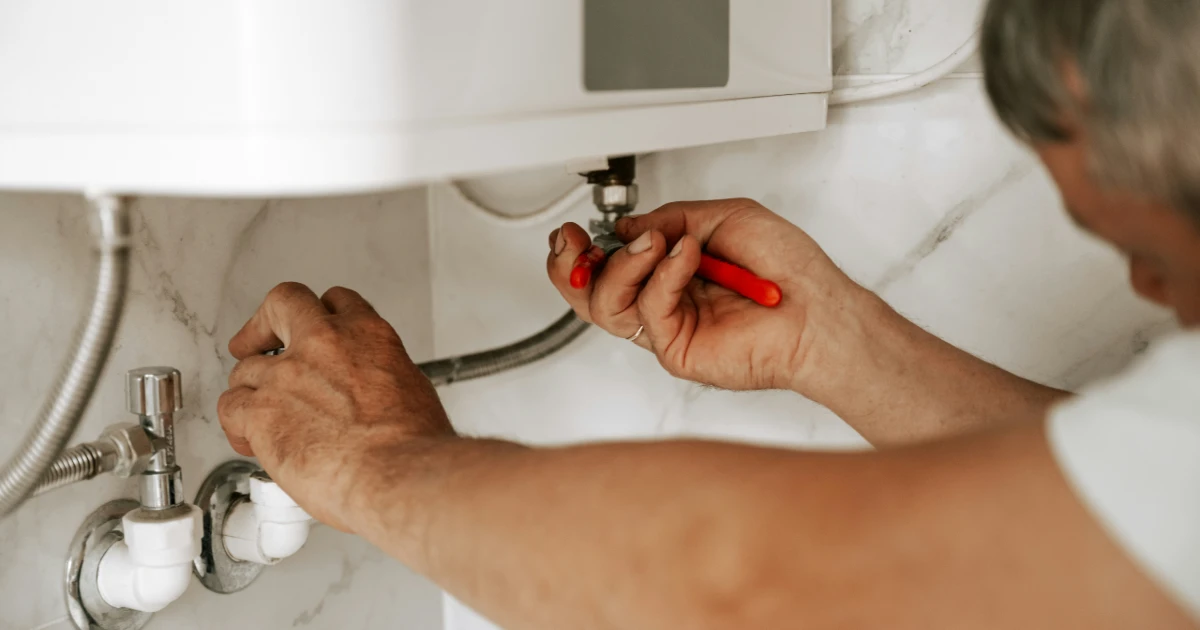
Few things disrupt rental operations faster than a tenant reporting no hot water in the house (or apartment, or condo). Especially in the winter, pipes can freeze, water heaters can break down or an apartment building's central boiler can suddenly go out.
Every landlord has likely experienced an outage in their property before. But when it happens, the urgent question becomes: how long do you legally have to restore hot water service?
The answer varies by state, but most jurisdictions treat hot water as an essential utility, and it's a landlord's responsibility to ensure it's restored within 24 to 72 hours. Landlords need to remember that going without hot water isn't just an inconvenience for tenants; it creates habitability violations that can expose landlords to code enforcement actions, tenant lawsuits, and potential liability claims.
In short, if you're a landlord and your tenant reports no hot water, it's a "drop everything and fix it" type of task. Or, if you're a tenant, your landlord needs to make it a priority to fix it.
Understanding landlords' legal obligation, and knowing what remedies tenants can pursue when hot water fails, helps you respond appropriately and protect yourself when water heaters break down. This guide breaks down landlord duty to provide hot water across a number of different states, explains emergency repair timelines, and outlines the steps property owners should take to minimize liability when hot water systems fail.
Landlord obligations for hot water under US tenant law
Hot water is classified as a basic utility under housing codes throughout the United States. Unlike amenities that might be considered optional, hot water falls under the implied warranty of habitability, a legal doctrine requiring landlords to maintain rental properties in safe, livable condition.
Most state and local landlord tenant codes specifically list hot water as a required utility. Landlords can't simply ignore a broken water heater and expect tenants to deal with cold showers indefinitely; the law recognizes that access to hot water is fundamental for basic hygiene, cleaning, and health.
When a hot water system fails, landlords have legal responsibility to arrange repairs promptly. The exact timeline depends on local regulations, but the principle remains consistent nationwide: tenants have a right to functional hot water, and landlords must act quickly to restore it. It's essential that even the most hands-off landlords or property managers understand this; you have a legal obligation to your tenant.
Emergency repair timelines: how quickly must landlords fix hot water?
When tenants report no hot water in house, understanding repair timelines helps landlords know their legal obligations, as well as the consequences of falling short.
What qualifies as an emergency repair
Most jurisdictions classify complete loss of hot water as an emergency repair requiring urgent landlord response. This is particularly true during winter months or in households with young children, elderly residents, or individuals with medical conditions requiring regular bathing.
A hot water heater not working completely typically demands faster action than minor temperature inconsistencies. If water is lukewarm rather than hot, this might be considered non-emergency maintenance. But if tenants have no hot water at all, landlords must treat this as urgent to avoid habitability violations.
Standard repair windows across states
While specific timelines vary, here's what landlords can generally expect anywhere in the US:
Complete hot water failure: 24 to 72 hours in most states, with many jurisdictions requiring landlords to begin addressing the issue within 24 hours of tenant notification.
Partial hot water issues: 7 to 14 days if some hot water is still available but inadequate, though this timeline shortens if temperatures fall below minimum required levels.
Temporary solutions during repairs: Landlords must often provide alternative arrangements (like temporary water heaters or access to facilities with hot water) while permanent repairs are underway.
The key factor is whether the situation makes the property uninhabitable. Complete loss of hot water typically crosses this threshold, triggering the fastest response requirements and exposing landlords to legal liability if they don't act promptly.
State by state landlord duty to provide hot water
Like many parts of the landlord journey, your experience and obligation in providing hot water may vary slightly by state. We've flagged a few notable states where there are slight devils in the detail; be sure to search for the individual laws in your state.
Texas hot water requirements
In Texas, landlords must provide "hot water in reasonable amounts at reasonable times" under the state's warranty of habitability. While Texas law doesn't specify exact repair timelines, courts have consistently ruled that hot water failures constitute habitability violations requiring prompt remediation.
Texas Property Code Section 92.052 requires landlords to make repairs within a reasonable time after receiving notice from tenants. For essential utilities like hot water, "reasonable" typically means within 3 to 7 days, though emergency situations may require faster action. Tenants should document all repair requests in writing and allow landlords adequate time to arrange repairs before pursuing legal remedies.
Texas tenants experiencing prolonged hot water outages can file complaints with local code enforcement or pursue remedies like repair and deduct (up to one month's rent or $500, whichever is greater). In severe cases where landlords repeatedly fail to maintain hot water, tenants may have grounds to terminate their lease under Texas law.
Pennsylvania hot water requirements
Pennsylvania mandates that landlords provide hot water capable of producing water at 120°F under the state's property maintenance codes. This requirement applies year-round and covers all residential rental properties throughout Pennsylvania.
The state's Landlord and Tenant Act doesn't specify exact repair timelines, but Pennsylvania courts treat hot water as an essential utility requiring prompt restoration. In Philadelphia, the city's property maintenance code requires landlords to address hot water failures within 24 hours when reported. Pittsburgh and other Pennsylvania municipalities have similar urgent response requirements for hot water system failures.
Pennsylvania tenants without hot water should notify landlords immediately in writing. If repairs aren't made within a reasonable timeframe (typically 3 to 5 days for emergency repairs), tenants can file complaints with local building code enforcement offices. Pennsylvania law also permits rent withholding or repair and deduct remedies when landlords fail to maintain essential services like hot water, though proper procedures must be followed.
New York hot water requirements
New York maintains some of the most specific hot water requirements in the country. Under the New York City Housing Maintenance Code, landlords must provide hot water at a constant minimum temperature of 120°F at the tap year-round, 365 days per year.
New York State Multiple Dwelling Law extends this requirement statewide, though specific temperature requirements may vary slightly in municipalities outside NYC. When hot water systems fail, New York City landlords must restore service immediately, as hot water is considered an essential service on par with heat and electricity.
Tenants in New York City can call 311 to report hot water outages. The city's Department of Housing Preservation and Development (HPD) will typically inspect within 24 hours and can issue violations requiring immediate correction. Landlords who fail to restore hot water promptly face fines starting at $250 to $500 per day, with penalties increasing for repeat violations.
California hot water requirements
California's Civil Code requires landlords to provide hot water as part of the implied warranty of habitability. State law doesn't specify exact temperatures, but most California municipalities require hot water systems capable of delivering water at 110°F to 120°F at fixtures.
California considers hot water an essential utility, meaning landlords must address failures urgently. While the state doesn't mandate specific repair timelines, California courts have ruled that 30 days (the standard repair period for non-emergency issues) doesn't apply to essential utilities. Most California cities expect hot water restoration within 24 to 72 hours.
California tenants experiencing hot water outages should notify landlords in writing immediately. If landlords don't respond promptly, tenants can file complaints with local code enforcement. California law also provides robust tenant remedies including rent withholding, repair and deduct (up to one month's rent), and potential lease termination for prolonged habitability violations.
Prolonged habitability violations create real financial exposure for owners — rent withholding, repair-and-deduct claims, and tenant lawsuits over uninhabitable conditions. The loss-of-rent and liability provisions in California landlord insurance are the parts of the policy that respond when this kind of dispute escalates.
Florida hot water requirements
Florida Statutes Section 83.51 requires landlords to maintain plumbing in reasonable working condition, which courts have interpreted to include providing adequate hot water. Florida doesn't specify minimum water temperatures statewide, leaving this to local building codes.
Under Florida law, landlords must make repairs within seven days of written notice for issues affecting health and safety, which includes hot water system failures. For conditions that materially affect health and safety, the timeframe can be shorter—potentially as little as 24 hours for complete hot water loss.
Florida tenants should always provide written notice of hot water problems and keep copies. If landlords don't make repairs within the required timeframe, Florida law permits several remedies including withholding rent (after following specific procedures), terminating the lease, or pursuing damages. The state requires tenants to give landlords reasonable opportunity to make repairs before pursuing these options.
Those carrying landlord insurance in Florida should also review their loss-of-rent provisions, since extended utility outages that force tenants to vacate can trigger this coverage when the disruption is severe enough.
Understanding hot water heater maintenance and lifespan
Before we go any further, let's talk about the most frequent cause of hot water loss – the hot water heater. For a large majority of single-family homes and many apartment or condo units, the water heater is the single device in the dwelling that controls whether or not the tenants will have hot water.
It runs 24/7, and if one component of it fails, the whole unit will lose hot water. There are other reasons hot water may fail, but when an entire home or condo suddenly drops out, the heater is almost always the main suspect.
Preventing hot water emergencies starts with understanding how the hot water heater works, and how long it typically lasts.
How long do hot water heaters last?
Traditional tank water heaters typically last 8 to 12 years with proper maintenance. Tankless water heaters often have longer lifespans, potentially reaching 15 to 20 years. However, actual longevity depends heavily on water quality, usage patterns, and maintenance practices.
Several factors affect water heater lifespan:
- Water hardness: Areas with hard water see more sediment buildup, which can shorten heater life significantly. Landlords in these areas should consider water softeners or more frequent maintenance.
- Usage levels: Multi-unit properties or homes with many occupants put more demand on water heaters, potentially shortening their effective lifespan.
- Maintenance frequency: Regular flushing and anode rod replacement can extend water heater life by several years. Neglected units often fail earlier than well-maintained systems.
- Installation quality: Properly installed water heaters with correct sizing and adequate ventilation last longer than poorly installed units.
Landlords should track the age of water heaters in their properties and budget for replacement as units approach 10 years old. Proactive replacement prevents emergency failures that leave tenants without hot water.
If you have an old water heater that is due for a replacement, now may be a good time. Thanks to the US congress passing the One Big Beautiful Bill in 2025, capital improvements made to parts of homes with a useful life of 20 years or less can qualify for 100% bonus depreciation – meaning landlords can write off the entire purchase from their final tax bill in the first year it's made.
Essential hot water heater maintenance
Regular maintenance prevents failures and extends equipment life. Key practices include annual flushing to remove sediment, inspecting and replacing anode rods every 3-5 years, testing temperature/pressure relief valves, checking for leaks at connections and the tank, and maintaining gas burners and pilots. Many landlords schedule annual HVAC inspections that include water heater maintenance.
What tenants do when hot water is not working
Understanding the steps tenants typically take when hot water fails helps landlords prepare appropriate responses and avoid legal complications.
What tenants typically do first
When tenants discover they have no hot water, they'll usually verify the issue is system-wide, notify you immediately in writing, and document the problem with photos and timestamps. Landlords should expect requests for temporary solutions like portable heaters or alternative facilities while repairs are underway. Tenants may also check for simple fixes like tripped breakers or pilot lights before contacting you.
How long does it take for hot water to come back?
Once a plumber begins work, repair timelines vary based on the issue:
- Simple fixes (pilot light relight, thermostat adjustment, circuit breaker reset): Minutes to an hour, with hot water available once the tank reheats (typically 30 to 90 minutes for full recovery).
- Component replacement (heating element, thermostat, gas valve): 2 to 4 hours for the repair, plus tank heating time. Total timeline from arrival to hot water: 3 to 6 hours.
- Full water heater replacement: 4 to 8 hours for installation, plus several hours for the new tank to heat. Expect 6 to 12 hours from start to finish, though some situations take longer.
The recovery time after repairs depends on your water heater type and size. A 40-gallon tank might need 60 to 90 minutes to heat fully, while an 80-gallon tank could take 2 to 3 hours to reach optimal temperature.
When hot water tanks are leaking
If you notice your hot water tank leaking, this requires immediate attention and different procedures than a simple heating failure:
- Shut off water supply to the heater: Most water heaters have a dedicated shut-off valve on the cold water supply line. Turn this clockwise to close it and prevent further flooding.
- Turn off power or gas: For electric heaters, switch off the circuit breaker. For gas heaters, turn the gas control valve to "off" or "pilot" position
- Contact your landlord immediately: Leaking water heaters are emergency situations that can cause significant property damage beyond just loss of hot water. Make this clear in your communication.
- Document the leak: Take photos and videos showing the leak location, amount of water, and any damage. This protects you from liability and helps your landlord understand the urgency.
- Move belongings away from water: Protect your property from water damage while waiting for repairs. Your renters insurance may cover damage to your belongings, but prevention is better than claims.
Leaking tanks usually require complete replacement rather than repair. The timeline is typically faster than standard repairs because the emergency nature and property damage risk motivate quick action.
Tenant rights and legal remedies for lack of hot water
Rent withholding and hot water failures
Many states allow tenants to withhold rent when landlords fail to provide essential services like hot water, but strict procedures must be followed:
- Written notice requirement: Tenants must notify their landlord in writing about the hot water problem before withholding rent. The notice should clearly state the issue, request repairs, and reference the state's habitability laws.
- Reasonable time for repairs: Tenants must allow landlords adequate time to arrange repairs, typically the timeframe required by your state law. Withholding rent too quickly can make you vulnerable to eviction.
- Proper withholding procedures: Some states require withheld rent to be deposited into an escrow account or with the court. Simply not paying rent without following procedures can result in eviction even if the hot water complaint is legitimate.
- Proportional withholding: Many jurisdictions only allow withholding rent proportional to the reduced value of your rental. If you're without hot water for one week, you might only withhold 25% of that month's rent rather than the full amount.
- Documentation requirements: Keep meticulous records of all communications, the duration without hot water, and any expenses you incur due to the outage. This documentation is essential if your landlord challenges your rent withholding.
Before withholding any rent, consult with a tenant rights attorney or legal aid organization in your state. Improper withholding can result in eviction regardless of whether your underlying hot water complaint is valid.
Repair and deduct remedies
Some states allow tenants to hire plumbers themselves and deduct the cost from rent when landlords fail to make timely repairs. This is sometimes referred to as "repair and deduct."
Not all states permit repair and deduct. Texas, California, and several other states do allow it, while others don't. Check your state's landlord-tenant laws before proceeding. States that allow repair and deduct also typically cap the amount at one or two months' rent.
To properly repair and deduct, renters must notify their landlord, wait the legally required time for them to make repairs, obtain multiple quotes for the work, use licensed contractors, keep all receipts, and provide documentation when deducting costs.
Most states limit how many times per year tenants can use repair and deduct remedies, typically once or twice annually.
Repair and deduct should be a last resort when landlords are genuinely non-responsive. It's not appropriate for situations where landlords are actively working on repairs but need more time due to parts availability or contractor scheduling.
Landlord responsibilities and liability considerations
Insurance coverage for hot water system failures
Property owners should understand how landlord insurance interacts with hot water system failures. There are plenty of ways that having proper landlord insurance coverage can ease the pain of a hot water failure:
Routine maintenance and wear-and-tear: Standard landlord insurance policies don't cover water heater replacements due to age or normal wear. These are considered predictable maintenance expenses that landlords must budget for separately.
Sudden mechanical failures: If a water heater fails unexpectedly due to a covered event (like an electrical surge or storm damage), insurance might cover replacement. However, policies typically exclude gradual deterioration.
Water damage from hot water tank leaking: If a failing water heater causes water damage to the property, landlord insurance may cover repairs to the building. However, coverage can be denied if the landlord was aware of issues and failed to address them promptly.
Liability protection: If a tenant suffers injury or property damage due to a landlord's failure to maintain hot water systems properly, landlord liability insurance may help defend against claims and cover settlements or judgments.
Loss of rent coverage: When hot water failures make a property temporarily uninhabitable and you lose rental income, loss of rent coverage can compensate for this lost revenue during the repair period.
Smart landlords maintain detailed maintenance records showing regular inspections and upkeep of hot water systems. This documentation can be crucial for insurance claims and defending against tenant complaints.
Preventing hot water emergencies
Proactive property management prevents most hot water outages and the tenant conflicts they create:
Annual professional inspections: Having licensed plumbers inspect water heaters annually catches problems before they become emergencies. The modest cost of annual inspections is far less than emergency repair calls.
Age tracking: Maintain records of when water heaters were installed and plan replacements before units reach the end of their typical lifespan. Replacing a 10-year-old water heater proactively prevents emergency failures.
Tenant education: Provide tenants with information about basic water heater operation, such as knowing where the shut-off valves are located and what to do if they notice leaks or strange noises.
Emergency response protocols: Establish relationships with 24/7 emergency plumbers before you need them. Having a reliable contractor on call means faster response times when water heaters fail.
Proper sizing: Ensure water heaters are correctly sized for the property. Undersized units work harder and fail faster, while oversized units waste energy and increase costs.
Hot water vs. heating: understanding different requirements
While both are essential utilities, heating faces more stringent winter requirements with faster mandated repairs during extreme cold. Hot water requirements remain consistent year-round at 110-120°F, while heating laws specify exact indoor minimums (68-70°F). Both are emergencies, but heating in winter may trigger same-day response requirements. For heating requirements, see our guide on how long a landlord can leave a tenant without heat.
State-specific hot water requirements summary
While we've covered several major states in detail, here's a quick reference for hot water requirements in other jurisdictions:
Illinois: Hot water at 120°F, repairs within 72 hours for emergencies.
Ohio: Adequate hot water year-round, emergency repairs within 30 days.
Washington: Hot water at 110°F minimum, 72-hour repair window for essential utilities.
Massachusetts: Hot water at 110°F, 24-hour repairs for health/safety conditions.
Arizona: Hot water in reasonable amounts, 48-72 hour local code requirements typical.
Always check your specific state and local codes for exact requirements.
Want a quote for your rental property? Enter your address here:
Frequently asked questions
How long can you legally go without hot water in an apartment?
This depends on your state and local laws, but most jurisdictions require landlords to restore hot water within 24 to 72 hours. The exact timeline varies, with some cities requiring same-day response and others allowing up to three days. However, "legally" and "reasonably" aren't always the same. Even if your local law allows 72 hours, going three full days without hot water causes genuine hardship that landlords should work to minimize.
What temperature should hot water be in a rental property?
Most housing codes require hot water systems capable of delivering water at 110°F to 120°F at the tap. Some jurisdictions specify exact temperatures (New York requires 120°F, while Massachusetts requires at least 110°F), while others simply require "adequate" or "hot" water without specifying degrees. Anti-scald codes in many areas prohibit water hotter than 120°F at fixtures to prevent burn injuries.
Can I withhold rent if my apartment has no hot water?
In many states, yes, but only if you follow proper procedures. You must notify your landlord in writing, allow them adequate time to make repairs (typically the legally required timeframe in your jurisdiction), and follow your state's specific rent withholding rules. Some states require depositing withheld rent into escrow rather than simply not paying. Improperly withholding rent can lead to eviction even if your hot water complaint is legitimate, so consult with a tenant rights attorney before taking this step.
Can you withhold rent for no hot water?
In states where rent withholding is legal for habitability violations, yes, but the procedure matters more than the right itself. The typical path is written notice to the landlord describing the hot water failure, a reasonable repair window (often 10 to 30 days, sometimes faster for essential services), and payment to an escrow account or court registry rather than directly to the landlord.
State law varies more than most tenants realize. New York and Massachusetts allow direct rent withholding with proper notice. California, Texas, and Florida require deposit into escrow or repair-and-deduct procedures instead. A handful of states (Alabama, Arkansas, Georgia, Idaho, Wyoming) effectively do not allow rent withholding at all, even for serious habitability issues.
Skipping the procedural steps is the most common way tenants lose their case. A landlord with documented repair history can evict a tenant who simply stopped paying, even when the hot water complaint is legitimate.
Protecting your property and managing hot water emergencies
Understanding your obligations regarding hot water in rental properties helps you respond appropriately when problems occur and protects you from legal liability. Whether you're dealing with a complete system failure or a hot water heater not working properly, knowing the legal timelines and your responsibilities ensures you meet habitability standards while minimizing tenant conflicts.
For landlords, the key is prompt response, clear communication with tenants, and documented action. Most jurisdictions require hot water restoration within 24 to 72 hours, and failing to meet these timelines exposes you to code violations, rent withholding, and potential lawsuits.
Maintaining hot water systems proactively through regular inspections and timely maintenance prevents emergencies and protects you from legal complaints. The cost of preventive maintenance is always less than emergency repairs, legal fees, and lost rental income from uninhabitable properties.
Hot water is a basic necessity that landlords must provide consistently. Taking hot water system failures seriously and responding with urgency protects both your tenants and your business interests.


.jpg)




.png)