
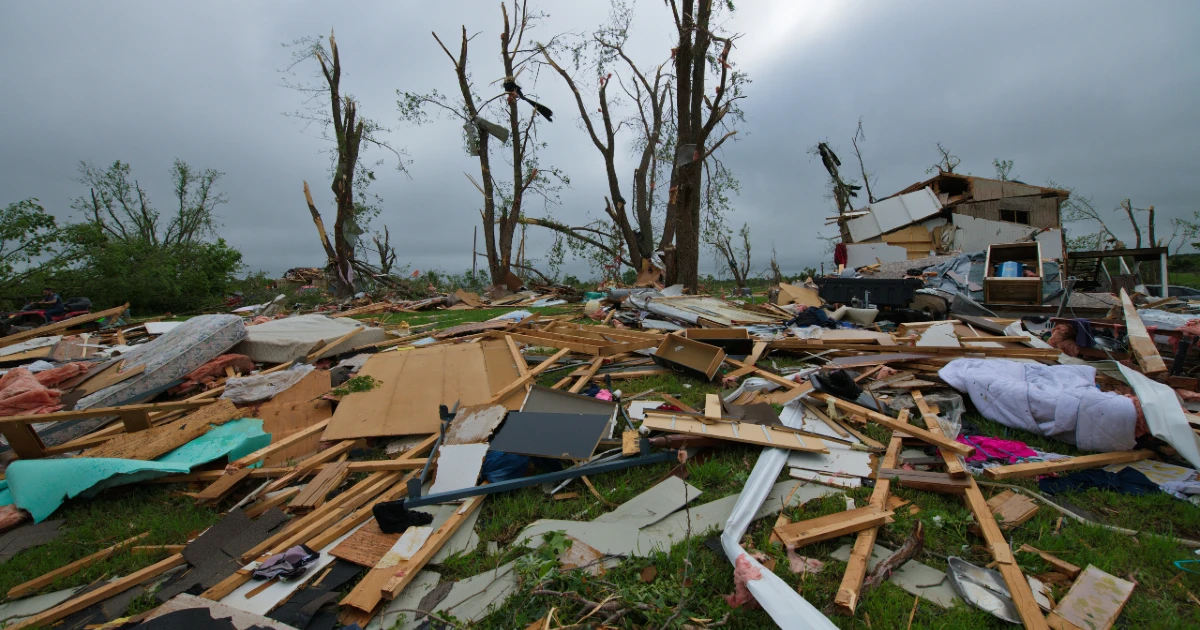
Tornadoes don't give landlords much warning. One afternoon your duplex is fully occupied and generating rent; a few hours later, half the roof is gone and your tenants are standing in the parking lot. The first practical question that follows the shock is: does my landlord insurance actually cover this?
The short answer is yes, in most cases; tornado damage falls under storm and wind coverage in landlord insurance policies. But the details matter, especially when it comes to deductibles, flood-related losses, and how long the claims process takes. Here's what landlords need to know before a storm ever forms on the radar.
What tornado damage actually looks like
Tornado damage isn't uniform. An EF-0 or EF-1 might strip shingles, snap trees onto a fence, and blow out a few windows. An EF-3 or EF-4 can rip off entire roofs, collapse exterior walls, and leave a slab foundation where a house used to stand.
Common damage types include:
- Partial or total roof loss
- Structural wall failure or collapse
- Windows and doors blown in or out
- Debris impact: neighbor's lumber, tree limbs, vehicles, sheet metal
- Interior water intrusion after the roof is compromised
- Detached garages or outbuildings destroyed
- Foundation damage in severe storms
The severity determines whether you're dealing with a repair or a rebuild. Both scenarios involve insurance, but the claims process, timeline, and payout calculation differ significantly.
Does landlord insurance cover tornado damage?
Yes. Windstorm, which includes tornadoes, is a standard named peril under most dwelling and landlord insurance policies. When you buy landlord insurance coverage, the dwelling portion is designed to pay for physical damage to the structure caused by wind. Tornadoes fall squarely into that category.
This coverage applies to the building itself: the roof, walls, floors, built-in appliances, electrical systems, plumbing, and HVAC. If the tornado damages the structure, your dwelling coverage is what responds.
One important distinction: landlord policies cover the building, not the tenant's belongings. If your tenant's furniture, clothes, and electronics are destroyed, that's their renters insurance claim, not yours. Make sure your lease encourages tenants to carry their own policy.
What tornado coverage typically includes
A standard landlord policy generally covers three areas when a tornado hits:
- Dwelling/structural coverage: Repairs or rebuilds the physical structure up to your policy's dwelling limit. This includes the roof, framing, siding, windows, interior walls, and attached structures like a garage.
- Loss of rents: If the damage makes the unit uninhabitable, your policy can replace the rental income you lose while the property is being repaired. This is sometimes called "fair rental value" coverage. Loss of rent coverage typically pays for a set period or until repairs are complete, whichever comes first.
- Liability coverage: If tornado debris from your property injures someone or damages a neighbor's car, your liability coverage can respond. For instance, if a section of your roof lands on a pedestrian or a fence panel flies through a neighboring window, that's a scenario where liability protection matters.
Some policies also cover other structures on the property, like detached garages or storage sheds, under a separate limit. Check your declarations page to confirm what's listed.
What tornado damage is NOT covered
Coverage has real limits. Here are the gaps landlords get surprised by after a tornado:
- Flood damage: Tornadoes often bring torrential rain. If that rain causes flooding, the flood damage is not covered under a standard landlord or dwelling policy. Flood is a separate peril that requires a separate policy, either through the National Flood Insurance Program (NFIP) or a private flood insurer. If your basement fills with water during the storm, don't assume your tornado claim covers it.
- Tenant personal property: Your tenant's couch, laptop, and clothing are their responsibility. A landlord policy only covers the building and your personal property used to service the rental (like appliances you own).
- Vehicles: Cars in the driveway or parking lot damaged by tornado debris are covered under the vehicle owner's comprehensive auto insurance, not your landlord policy.
- Cosmetic damage only: Some policies exclude or limit coverage when damage is purely cosmetic, like minor scuffing on siding with no functional impairment. This is more common after hail, but can come up with wind damage too.
- Negligent maintenance: If your roof was already in poor condition and the tornado caused more damage than it otherwise would have, an adjuster may factor that into the settlement. Pre-existing deterioration can reduce what you receive.
Tornado vs. wind damage: does the distinction matter?
For coverage purposes, it usually doesn't matter whether the damage was from a named tornado or straight-line winds from a severe storm. Both are windstorm events, and both are typically covered the same way under a landlord policy.
Where the distinction sometimes matters is with deductibles. Some states have introduced separate wind or windstorm deductibles, particularly in high-risk areas. These deductibles often apply regardless of whether the wind came from a tornado, a hurricane, or a severe thunderstorm.
If you have a standard flat deductible (say $1,000 or $2,500), that applies to a tornado claim just like any other. But if your policy includes a percentage-based wind deductible, the math is very different.
State-specific wind and tornado deductibles
In several high-risk states, insurers apply a separate wind or hail deductible calculated as a percentage of the insured value rather than a flat dollar amount, and this structure is standard across tornado-exposed markets. Texas landlord insurance, Oklahoma landlord insurance, Kansas rental property insurance, and Missouri landlord insurance policies almost always carry percentage-based wind deductibles, and the same underwriting pattern shows up across the Great Plains and Deep South — Alabama rental property insurance, Mississippi landlord insurance, Nebraska rental property insurance, and Iowa rental property insurance carriers apply it in high-hail counties.
For example, if your rental property is insured for $300,000 and your policy carries a 2% wind deductible, you're responsible for $6,000 before the insurer pays a dime. On a $40,000 roof replacement, that's meaningful. On a total loss, it's still a large number but less of a factor proportionally.
Read your declarations page and policy carefully. The wind deductible is often buried in an endorsement and catches landlords off guard at claim time. If you own property in tornado-prone states, ask your agent exactly what deductible applies to windstorm losses.
Where tornado risk is highest
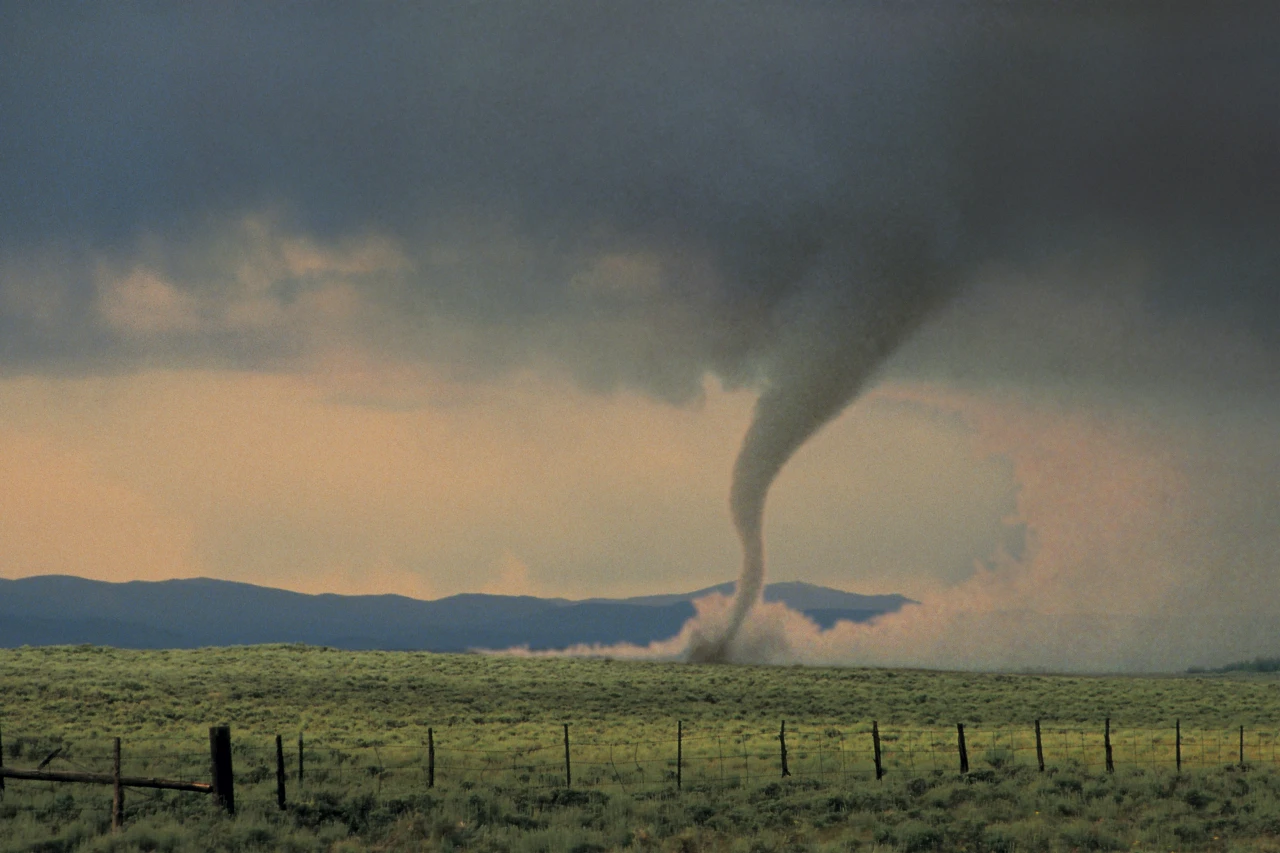
Landlords in certain regions carry elevated risk and should think carefully about their coverage structure. The two main high-risk corridors in the U.S. are:
- Tornado Alley: Roughly Texas, Oklahoma, Kansas, Nebraska, Iowa, and Missouri. This region sees the highest frequency of tornadoes and includes the most violent storms on record.
- Dixie Alley: Mississippi, Alabama, Tennessee, Arkansas, and parts of Georgia and Louisiana. Tornadoes here often occur at night, move faster, and cause disproportionate fatalities relative to frequency.
If your rental property sits in either corridor, the coverage question isn't hypothetical. Make sure your dwelling limit is high enough to actually rebuild the structure, not just the depreciated value. Replacement cost coverage is worth paying for; actual cash value settlements subtract depreciation and often leave landlords short.
A realistic scenario: EF-2 tornado tears off half the roof
Here's how a real tornado claim might unfold for a landlord.
Mark owns a four-unit apartment building in Tulsa, Oklahoma. On a Tuesday evening in April, an EF-2 tornado tracks through his neighborhood. The storm tears off roughly half the roof on the building, destroys one unit completely (ceiling collapse, interior walls buckled), and leaves two other units with broken windows and water intrusion from the exposed roof decking. The fourth unit survives with minor damage.
Mark calls his insurer that night. Within 48 hours, an adjuster is on-site. Mark has already taken photos from every angle before touching anything, and he's had a contractor place emergency tarps over the exposed sections to prevent further water damage.
The adjuster's estimate comes in at $187,000 for structural repairs. Mark's policy has a 1% wind deductible on a $350,000 insured structure, so his out-of-pocket deductible is $3,500. The insurer issues an initial payment and holds back a depreciation amount pending completion of repairs (this is how replacement cost value policies work, the second payment comes after repairs are done).
Three of the four units are uninhabitable during the 14-week repair process. Mark's loss of rents coverage kicks in and pays the fair rental value of those three units for the duration, roughly $5,400 per month across the three units, or about $75,600 over the repair timeline.
Meanwhile, one tenant's car in the parking lot was damaged by falling debris. That claim goes through the tenant's own auto insurance, not Mark's policy. And the tenant in the destroyed unit lost furniture and personal items; their renters insurance handles that portion.
The whole process takes about five months from storm to final payment. Not painless, but manageable because Mark had adequate coverage limits, documented everything immediately, and used a licensed contractor.
Documenting tornado damage the right way
What you do in the first 24 hours after a tornado hits your property matters more than most landlords realize. Here's a practical approach:
- Photograph everything before cleanup: Walk the property and shoot photos and video from multiple angles. Capture roof damage, structural failures, debris location, and any damage to neighboring properties caused by debris from your building.
- Don't wait to report: Call your insurer or agent as soon as it's safe to do so. Most policies require prompt notice of a loss.
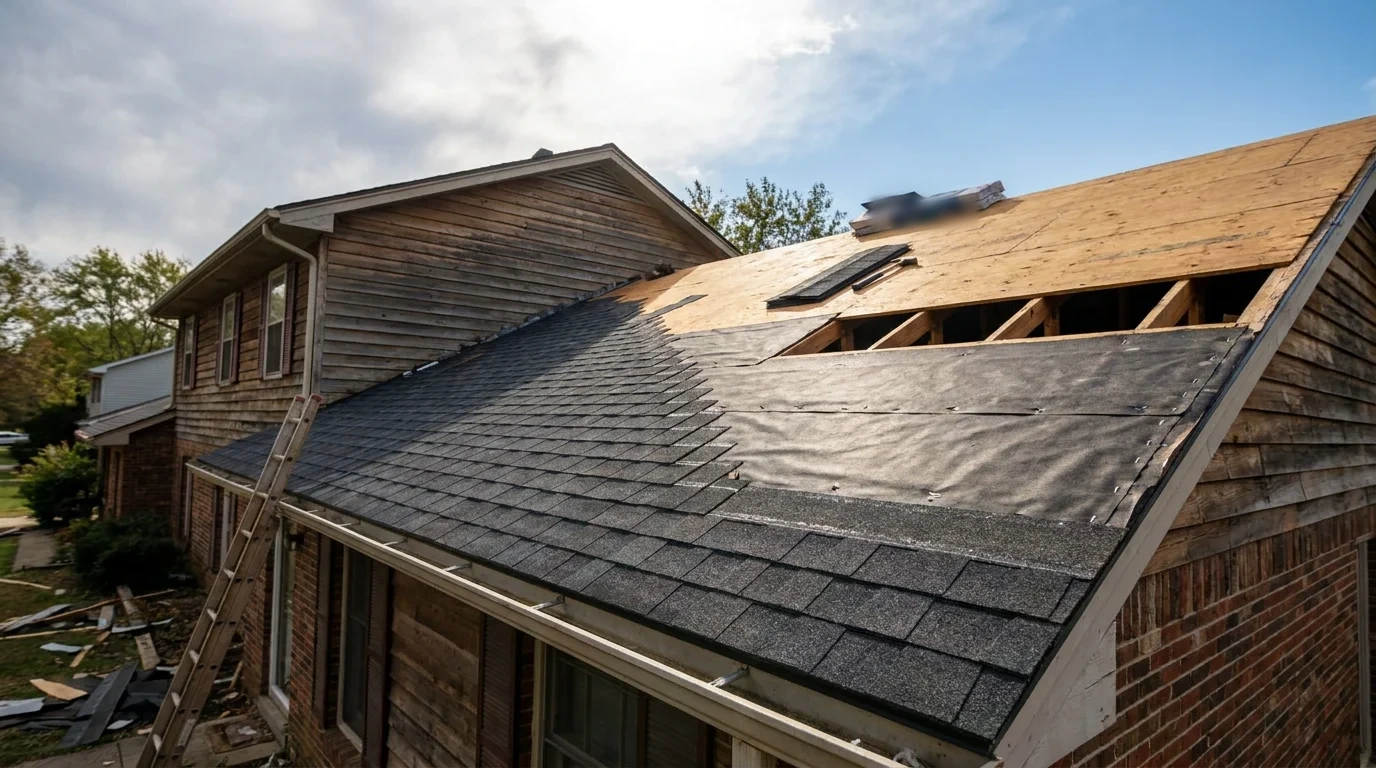
- Do emergency mitigation: You're generally required to take reasonable steps to prevent further damage. This means boarding up broken windows, tarping exposed roof sections, and moving undamaged property out of harm's way. Keep all receipts. Your policy typically reimburses emergency mitigation costs.
- Don't make permanent repairs before the adjuster arrives: Temporary protection is fine and necessary. But don't replace the roof or rebuild walls until the adjuster has documented the damage, or you may create disputes about what the storm actually caused.
- Get multiple contractor bids: You're not obligated to use a contractor the insurer suggests, though you can if you want. Getting two or three bids from licensed contractors gives you leverage if the adjuster's estimate seems low.
The claims process after a tornado: what to expect
Once you've filed the claim, the typical sequence looks like this:
An adjuster visits the property, usually within a few days for major storm events (though after a regional disaster, it can take longer if adjusters are stretched thin). They document the damage and produce a repair estimate.
You'll receive an initial payment minus your deductible and any held-back depreciation. For replacement cost policies, the remaining depreciation is released once repairs are completed and you submit documentation.
Repair timelines vary. Roof replacement might take a few weeks. Structural rebuilds can take several months. Supply chain issues and contractor availability both affect the schedule, especially after a major regional storm that damages hundreds of properties at once.
Throughout the repair period, your loss of rents coverage should be paying monthly based on the actual rent lost. Keep records of your tenant leases and payment history so you can document the actual rental value.
What happens if the tornado is a total loss
A total loss means the cost to repair exceeds the insured value of the structure, or the building is deemed unsafe to repair. In this case, your insurer typically pays out the dwelling limit (minus your deductible), and you're responsible for demolition, debris removal, and rebuilding.
This is where having adequate coverage limits is critical. If your property was insured for $200,000 but would cost $280,000 to rebuild at current material and labor costs, you have an $80,000 gap. Inflation over the past several years has pushed rebuilding costs up significantly in most markets. Review your coverage limits annually.
Some policies include an extended replacement cost endorsement that provides a buffer above the dwelling limit, typically 20-50%, to account for cost increases. It's worth asking your agent whether that option makes sense for your property.
Key takeaways for landlords
- Tornado damage is generally covered under the windstorm peril in a standard landlord policy. You don't need a separate tornado endorsement.
- Flood is separate. If rain from the tornado causes flooding, that's a flood claim, not a wind claim. Carry flood insurance if your property is in a flood-prone area.
- Loss of rents coverage matters. A tornado that displaces your tenants for three months means three months of lost income. Make sure your policy includes this and that the limit is sufficient.
- Know your deductible. In high-risk states, you may have a percentage-based wind deductible rather than a flat amount. Calculate what that means in actual dollars for your property.
- Document before you clean up. Photos and video from right after the storm are your best evidence during the claims process.
- Your coverage limit should reflect current rebuild costs, not what you paid for the property or what it was worth five years ago. Get a replacement cost estimate and adjust your coverage accordingly.
- Tenant belongings and vehicles aren't your problem, coverage-wise. But making sure tenants have renters insurance helps everyone recover faster.
Frequently asked questions
Do I need a special endorsement for tornado coverage?
No. Standard landlord policies cover windstorm as a named peril, and tornadoes are a type of windstorm. You don't need a special add-on for tornado coverage specifically.
What if a tornado causes both wind damage and flooding?
You'd have two separate claims: a windstorm claim for the wind damage and a flood claim under a separate flood policy. Without flood insurance, the flood portion is uninsured.
How long will loss of rents coverage pay out during restoration?
Most policies pay for the actual period of restoration, subject to a maximum (often 12 months). If your property takes six months to repair, you'd receive six months of lost rental income.
Can my insurer cancel or non-renew my policy after a tornado claim?
Insurers can non-renew policies, though they generally can't cancel mid-term except for specific reasons. In high-loss areas, non-renewal after a major claim is possible. This varies by state and insurer.
What if I disagree with the insurance adjuster's damage estimate?
You can dispute the estimate with your insurer, submit a public adjuster's assessment, or go through the appraisal process outlined in your policy. Don't just accept the first number if it doesn't match actual repair bids from licensed contractors.
Does roof age affect my tornado claim payout?
It can. Some policies pay actual cash value (depreciated) for older roofs rather than full replacement cost. Read your policy to understand how roof age is handled, and consider a replacement cost endorsement if your roof is aging.


.jpg)




.png)