ADU insurance for landlords
ADU insurance protects your accessory dwelling unit from property damage, liability claims, and loss of rental income when you rent it out. Whether your ADU is a detached backyard cottage, guest house, casita, or converted garage, a landlord insurance policy helps you protect your investment and maximize rental income potential.
What is an ADU?
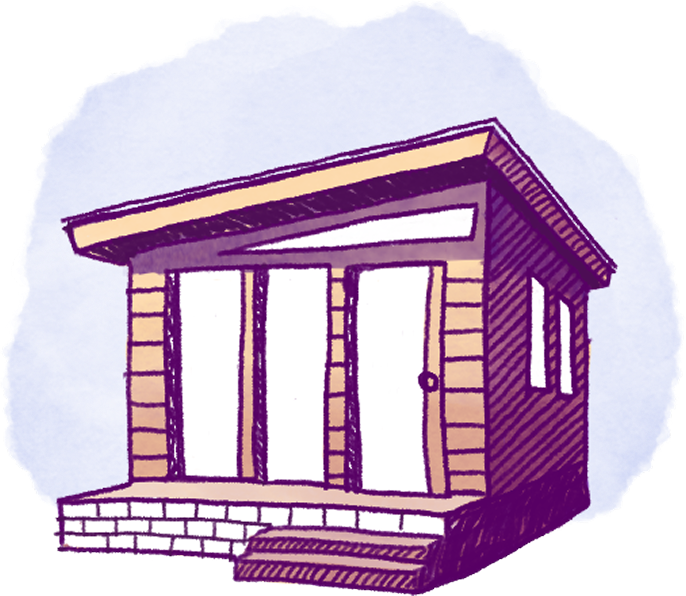
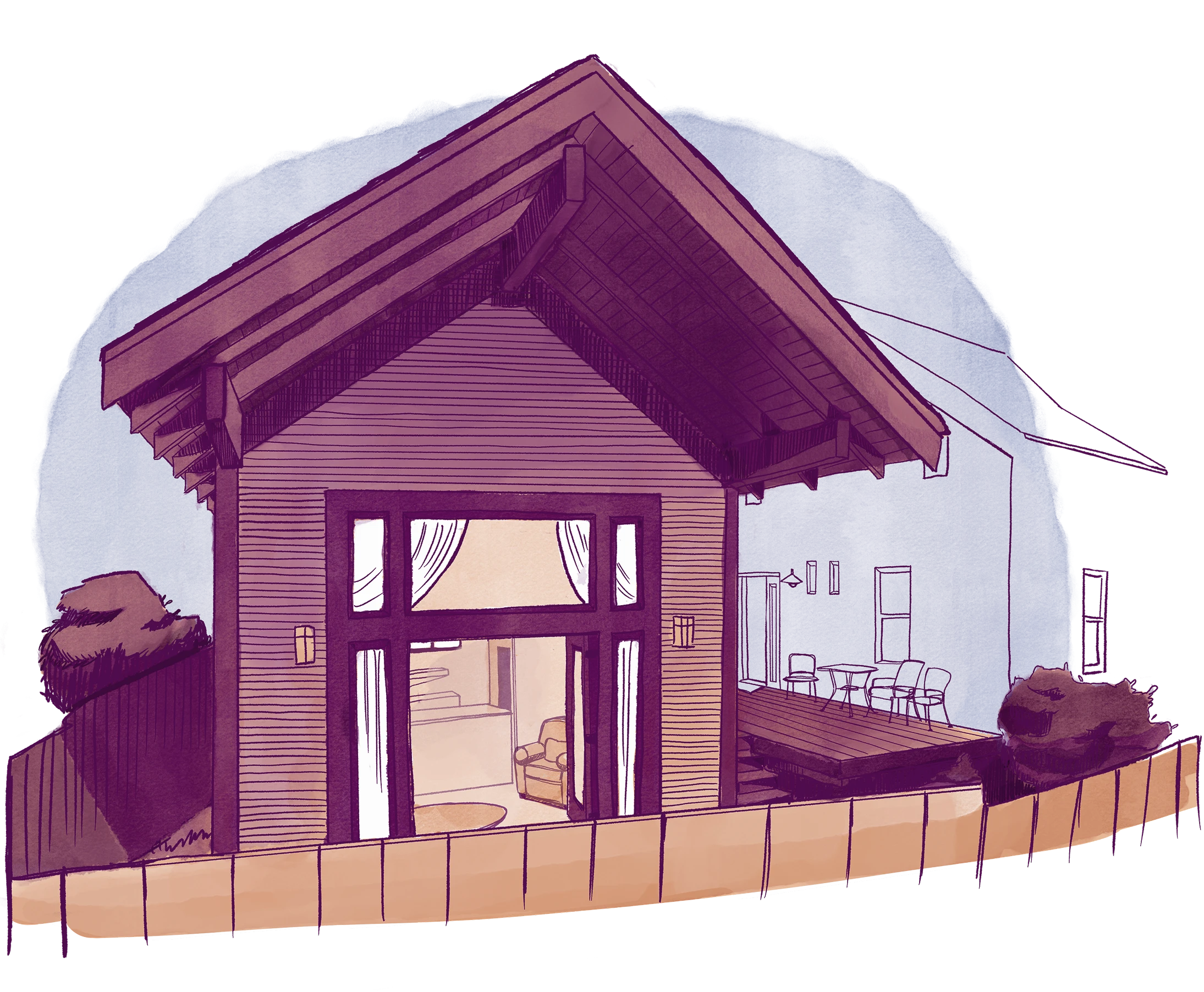
In real estate, an ADU (which stands for accessory dwelling unit) is a secondary housing unit located on the same property as a primary residence.
ADU homes can be detached structures like backyard cottages, guest houses, casitas, and converted garages, or attached additions to your main house. These self-contained units include their own kitchen, bathroom, and living space, making them fully functional independent homes.
ADUs have become increasingly popular for real estate investors as property owners discover their versatility and income potential. Building an ADU allows you to create a second rental unit on property you already own, effectively doubling your income potential without purchasing another property.
Whether you're housing long-term tenants, offering short-term vacation rentals, or providing multigenerational living space, ADUs offer landlords flexibility and strong returns on investment while increasing overall property value.
ADUs as an investment strategy
Building an ADU in your backyard offers real estate investors a cost-effective path to expanding their rental portfolio. Detached ADUs like converted garages or purpose-built cottages typically cost between $100,000 to $300,000 to build, significantly less than purchasing a second investment property. Many investors start with existing structures like sheds or garages and transform them into income-generating units.
When you rent out an ADU, insurance requirements differ slightly from standard insurance policies; your coverage is limited to the activity that takes place inside the ADU, even if you live elsewhere on the land.
However, our ADU rental property insurance fully covers liability claims from tenants, property damage to the detached structure, and loss of rental income if the unit becomes uninhabitable.
Steadily's landlord insurance policies are designed specifically for rental properties, ensuring your rented-out ADU is fully protected with comprehensive coverage that addresses the unique risks of managing multiple units on one property.

What affects the cost of ADU insurance?
What you’ll pay to insure an ADU depends first on whether it’s attached to the main house or a standalone build. A detached unit is valued as its own structure and usually costs more than a garage conversion tucked under the same roof. How it’s insured matters just as much: adding the ADU as an endorsement on your primary dwelling policy is often cheaper than writing it as its own separate policy, though a full rental ADU sometimes needs the standalone version.
Then there’s how you use it. A long-term rental prices differently than a short-term or Airbnb setup, and any rental use adds liability from a second household on the property. The age and quality of the build, plus your coverage amount, fill in the rest. To keep the cost down, insure the ADU for its real replacement cost, be upfront about how it’s rented so a claim doesn’t get denied later, and ask whether an endorsement on your existing policy beats a standalone one for your situation.
We cover a wide range of risks, or you can choose a limited set of coverages for a lower premium

Wind and hurricane
Steadily covers wind and hurricane damage to the structure of your rental, from a stripped roof and broken windows to siding torn loose and a tree through the wall, plus the rental income you lose while it's repaired.

Riot & civil commotion
Steadily’s landlord insurance covers property damage from riots and civil commotion, including broken windows, structural fires, and looted common areas, so the repair costs don’t fall entirely on you. Documentation connecting the damage to the civil unrest is required.

Vandalism & burglary
Steadily covers malicious damage to your rental from vandalism and break-ins: broken doors and windows, defaced surfaces, damaged fixtures and appliances. A police report is typically required to file the claim.

Loss of rent
When a covered event makes the unit temporarily uninhabitable, Steadily’s loss of rent coverage replaces the income you’d lose while repairs are underway, whether the cause is a fire, a burst pipe, or storm damage.

Storm and hail
Steadily covers storm and hail damage to the structure of your property, including roof punctures, dented or torn shingles, broken windows, and damage from fallen trees and debris, up to your policy limits.

Water
For sudden water damage events such as burst pipes, plumbing failures and appliance overflow, Steadily covers the structural repairs and lost rental income if the unit can’t be occupied while the work is done. Flood damage from rising water requires a separate policy.

Legal liability
Landlord liability insurance pays medical bills, legal defense, and settlements when a tenant or visitor is injured at your rental and holds you responsible. It's built into every Steadily landlord policy in all 50 states with $300,000 to $2 million per occurrence, typically adding $200 to $400 a year to the bundled premium.

Fire
Steadily covers structural fire damage, smoke damage, personal property you own at the unit, and lost rental income while repairs are underway. That includes fires started in the kitchen, by the wiring, by a tenant, or by a wildfire nearby.
Do you need insurance for a guest house you rent out?
Yes. A guest house, casita, or backyard cottage that you rent out is a type of ADU, and it needs its own coverage. Your homeowners policy will not cover a guest house used as a rental, and the rental activity adds liability the main policy is not built for. ADU or guest house insurance covers the structure, your liability if a tenant or visitor is injured, and the rent you would lose if the unit became unlivable after a covered event.
How much does ADU insurance cost?
ADU insurance is usually affordable because you are insuring one small unit rather than a whole building. Most policies land in the low hundreds of dollars a year, though the exact cost depends on the size and construction of the ADU, whether it is attached or detached, its location, your coverage limits, and whether you rent it long-term or short-term. A quick quote on your specific ADU is the only way to get an accurate number.
Does my homeowners insurance cover an ADU I rent out?
Usually not once you rent it out. A homeowners policy is written for an owner-occupied home, and renting your ADU to a tenant counts as a rental or business use that most homeowners policies exclude. A few insurers offer an endorsement for a detached unit, but it rarely covers landlord liability or lost rent. A dedicated ADU or landlord policy covers the unit itself, your liability as a landlord, and the rental income you would lose after a covered event.
What is the most popular type of ADU?
Converted garages are the most popular type of ADU because they offer the most cost-effective path to creating rental income. Existing garage structures already have foundations, walls, and utility access, which significantly reduces construction costs and permitting complexity. After garage conversions, detached backyard cottages rank as the second most popular option – these purpose-built structures offer complete privacy and separation from the main house, making them ideal for long-term tenants. Each ADU type has its advantages, but garage conversions remain the go-to choice for real estate investors looking to maximize return on investment while minimizing upfront costs.
What states allow ADU construction?
Most states allow ADU construction, but local zoning laws and building codes determine specific requirements. California leads the nation with the most ADU-friendly regulations, followed by Oregon, Washington, Colorado, and Texas. States like Florida, Arizona, North Carolina, and Massachusetts have also expanded ADU permissions in recent years. However, ADU rules vary significantly by city and county – some municipalities encourage ADU development with streamlined permitting and reduced fees, while others maintain strict size limits or owner-occupancy requirements. Before building an ADU, check with your local planning department to understand specific zoning regulations, setback requirements, and permit processes in your area.


We cover a wide range of risks, or you can choose a limited set of coverages for a lower premium
.webp)