Landlord insurance in Pennsylvania
Landlord insurance in Pennsylvania covers rental property damage, landlord liability, and income interruption. Coverage options and pricing vary by property type and location. Get a quote for Pennsylvania landlord insurance tailored to your rental.



We've gotten more than $139 million in property insured in Pennsylvania
What to know about rental properties in Pennsylvania
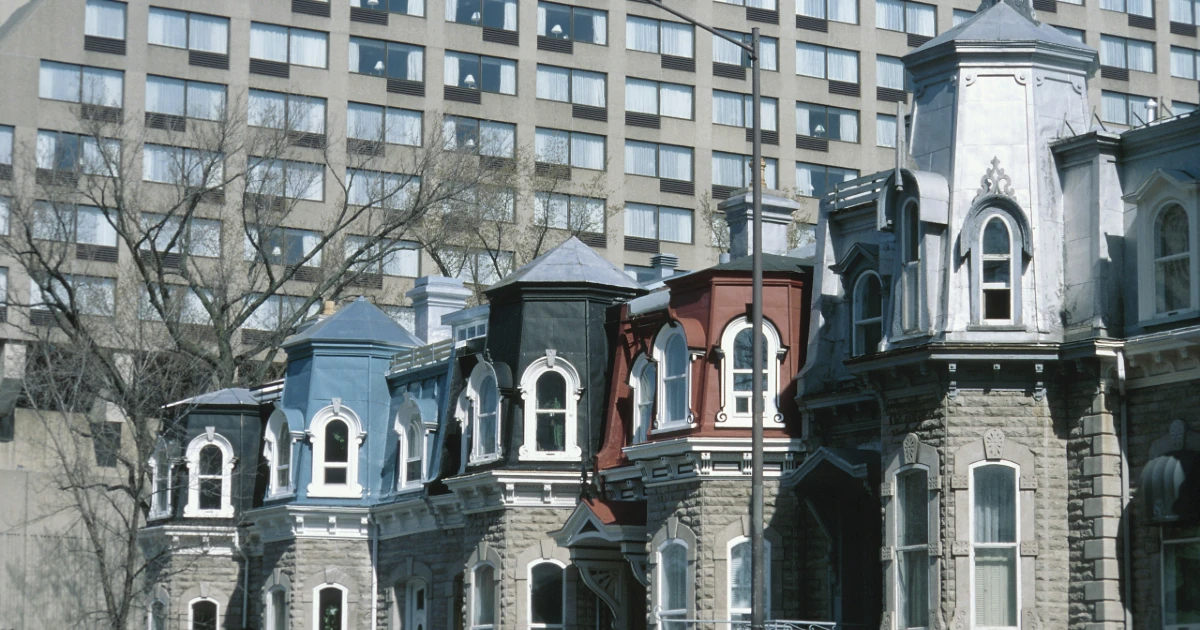
Pennsylvania has a deep and diverse rental market. Philadelphia is the primary metro, with about 47% of city households renting, but Pittsburgh, Allentown, Reading, and the college towns (notably around Penn State) all contribute substantial rental demand. The state offers a range of investment opportunities — from high-density urban properties in Philly to affordable single-family rentals in smaller markets.
The Commonwealth's rental landscape encompasses everything from converted Victorian mansions in University City to modern apartment complexes in Pittsburgh's Strip District, creating opportunities across multiple price points and property types. College towns like State College, West Chester, and Bloomsburg maintain consistent occupancy rates driven by enrollment at Pennsylvania's extensive network of public and private universities, while cities such as Scranton and Erie offer emerging markets with growing professional populations.
Pennsylvania's landlord-tenant laws vary by municipality. Philadelphia has some of the strictest tenant protections in the state, including specific licensing requirements for landlords. State law is more moderate.
Weather risks include nor'easters, winter storms, severe thunderstorms, and occasional tornado activity. The state experiences approximately 42 inches of annual precipitation, with seasonal variations that can strain older infrastructure systems. Pennsylvania's location in the Mid-Atlantic region subjects properties to temperature swings exceeding 100 degrees between winter lows and summer peaks, creating expansion and contraction cycles that particularly affect the substantial inventory of pre-1940 housing stock concentrated in major metropolitan areas.
How landlord insurance works in Pennsylvania
Landlord insurance in Pennsylvania covers the structural damage, liability exposure, and lost income that a homeowners policy won't cover for a rental property. Whether you're renting out a rowhouse in South Philly, a duplex in Pittsburgh, or a single-family home in the Lehigh Valley, you need a dedicated landlord policy; homeowners insurance will not cover you.
Dwelling coverage handles fire, storm, and other structural damage. Pennsylvania's older housing stock — especially in Philadelphia and Pittsburgh — can mean higher repair costs after weather events, so making sure your dwelling coverage limits reflect actual replacement costs is worth paying attention to.
Liability coverage pays for your legal defense and any judgment or settlement if a tenant or visitor is injured on your property — a fall on a poorly lit stairwell, a slip on an icy walkway, a ceiling collapse in an older building. It matters throughout Pennsylvania, but especially in Philadelphia, where row home rentals often involve shared entryways and aging infrastructure, and where tenants are generally aware of their legal rights.
Loss of rent coverage protects your income during repair periods when the home is uninhabitable. In an older housing market, this period of time can run longer than you'd expect.
Should you invest in rental property in Pennsylvania?
Wondering whether buying a rental in the Keystone State actually pencils out? The price-to-rent ratio below divides a home's price by a year of rent, a fast read on buying versus renting: under about 15 favors buying, over 20 favors renting, and the national average sits near 23. We rank all 50 states from #1 (best value for buyers) to #50 (worst), and Pennsylvania ranks near the top.
Single-family homes in Pennsylvania
Average rent
Price-to-rent ratio
Condos in Pennsylvania
Average rent
Price-to-rent ratio
DP-1 vs DP-3 comparison for Pennsylvania
Feature
DP-1


DP-3
Do you need landlord insurance in Pennsylvania?
The risk profile in Pennsylvania makes a strong practical case for insurance on its own. The state's older housing stock means maintenance issues surface more often and cost more to fix — a roof claim on a century-old rowhouse in Allentown or a heating system failure in a Pittsburgh duplex can run well into five figures.
Add winter weather that regularly produces ice damage and burst pipes, and the annual premium starts looking like the cheaper option pretty quickly.
The liability side of the equation matters too, particularly in Philadelphia and Pittsburgh, where tenant protections are more developed and legal disputes more common than in smaller Pennsylvania markets. A single defended liability claim can cost more than several years of premiums, and that's before any judgment or settlement.
For landlords managing properties across multiple Pennsylvania markets, the variation in municipal codes and habitability standards also means your exposure isn't uniform — which makes having consistent coverage across your portfolio more important, not less.
Average cost of landlord insurance in Pennsylvania
Pennsylvania landlord insurance has a median of around $1,180.50 per year, a moderate figure for a large state with considerable market variation. Philadelphia-area properties tend to carry higher liability considerations and replacement costs than rural Pennsylvania rentals, and that variation shows up in premium spread across the state.
It's worth noting that the exact location of your property will matter quite a bit in determining your premium; Pennsylvania is a large state with diverse geography from Philadelphia and Pittsburgh metro areas to rural farmland and mountain regions, so premiums can vary significantly even from town to town. Your property type, its age, and condition will also determine where your actual premium lands relative to the median.
To get a quote on your rental property, all you need to do is enter your address and some other quick details below. Quotes are completely free and will be sent to your email within minutes.

Properties we look after
We make it easy to get landlord insurance for many types of properties
We also help AirBNBs, VRBOS, and other rental properties
.webp)
.webp)
.webp)
.webp)
.webp)
Coverages
We cover a wide range of risks, or you can choose a limited set of coverages for a lower premium

Wind and hurricane
Steadily covers wind and hurricane damage to the structure of your rental, from a stripped roof and broken windows to siding torn loose and a tree through the wall, plus the rental income you lose while it's repaired.

Riot & civil commotion
Steadily’s landlord insurance covers property damage from riots and civil commotion, including broken windows, structural fires, and looted common areas, so the repair costs don’t fall entirely on you. Documentation connecting the damage to the civil unrest is required.

Vandalism & burglary
Steadily covers malicious damage to your rental from vandalism and break-ins: broken doors and windows, defaced surfaces, damaged fixtures and appliances. A police report is typically required to file the claim.

Loss of rent
When a covered event makes the unit temporarily uninhabitable, Steadily’s loss of rent coverage replaces the income you’d lose while repairs are underway, whether the cause is a fire, a burst pipe, or storm damage.

Storm and hail
Steadily covers storm and hail damage to the structure of your property, including roof punctures, dented or torn shingles, broken windows, and damage from fallen trees and debris, up to your policy limits.

Water
For sudden water damage events such as burst pipes, plumbing failures and appliance overflow, Steadily covers the structural repairs and lost rental income if the unit can’t be occupied while the work is done. Flood damage from rising water requires a separate policy.

Legal liability
Landlord liability insurance pays medical bills, legal defense, and settlements when a tenant or visitor is injured at your rental and holds you responsible. It's built into every Steadily landlord policy in all 50 states with $300,000 to $2 million per occurrence, typically adding $200 to $400 a year to the bundled premium.

Fire
Steadily covers structural fire damage, smoke damage, personal property you own at the unit, and lost rental income while repairs are underway. That includes fires started in the kitchen, by the wiring, by a tenant, or by a wildfire nearby.
FAQs
about landlord insurance in
Pennsylvania
Does Pennsylvania require landlord insurance?
Pennsylvania has no statute requiring landlord insurance. Lenders mandate coverage on mortgaged properties, and given the range of risks across the state — from nor'easters in the east to lake-effect snow in the northwest — insurance is a practical necessity for Pennsylvania landlords.
Can a Pennsylvania landlord require tenants to carry renters insurance?
Pennsylvania law doesn't prohibit landlords from requiring tenants to carry liability insurance or renters insurance. Many landlords throughout the state include this as a standard lease term. Some lease agreements specifically reference "tenant liability insurance" as the required coverage, which focuses on the liability component — helpful for protecting the landlord when a tenant's actions cause injury or damage to others.
What does landlord liability coverage protect against in Pennsylvania?
Liability coverage is your financial protection when a tenant or visitor is injured on the property and files a claim against you. It pays for legal defense, medical expenses, and settlements or judgments. In Pennsylvania, where older housing stock is common and lead paint or aging infrastructure can create hazards, liability claims are a real risk. Industry recommendations suggest carrying at least $300,000 in liability limits, with an umbrella policy for additional protection if your equity in the property is substantial.
Does landlord insurance cover loss of rental income in Pennsylvania?
Most comprehensive landlord policies include loss of rent coverage as a standard component. This reimburses you for the rental income you lose when a covered event — such as a fire, burst pipe, or storm — makes the unit uninhabitable during repairs. Coverage typically continues until the property is restored or a time limit is reached. In Pennsylvania, where winter pipe bursts and storm damage can sideline a property for months, this coverage is especially valuable.
Nearby cities


Get coverage in minutes
Competitive rates nationwide. Purpose-built for rental property investors.