

Texas continues to dominate the national conversation around real estate investment. The state added nearly 400,000 people to the population in 2025, most in the nation according to the Texas Tribune. With a robust economy generating 284,000 jobs in 2024 alone and landlord-friendly regulations that protect property owners, Texas offers some of the best cities to buy rental property in the United States.
For real estate investors across America, the question isn't whether to invest in Texas, it's where. Different markets offer distinct advantages, from explosive job growth to affordable entry points and strong cash flow potential. This guide examines the top five Texas cities for property investment in 2026, with a particular focus on long-term rental strategies.
For short-term rental investors, we also have a guide on the best short-term rental markets in Texas.
Dallas-Fort Worth: The premier destination for rental property investment
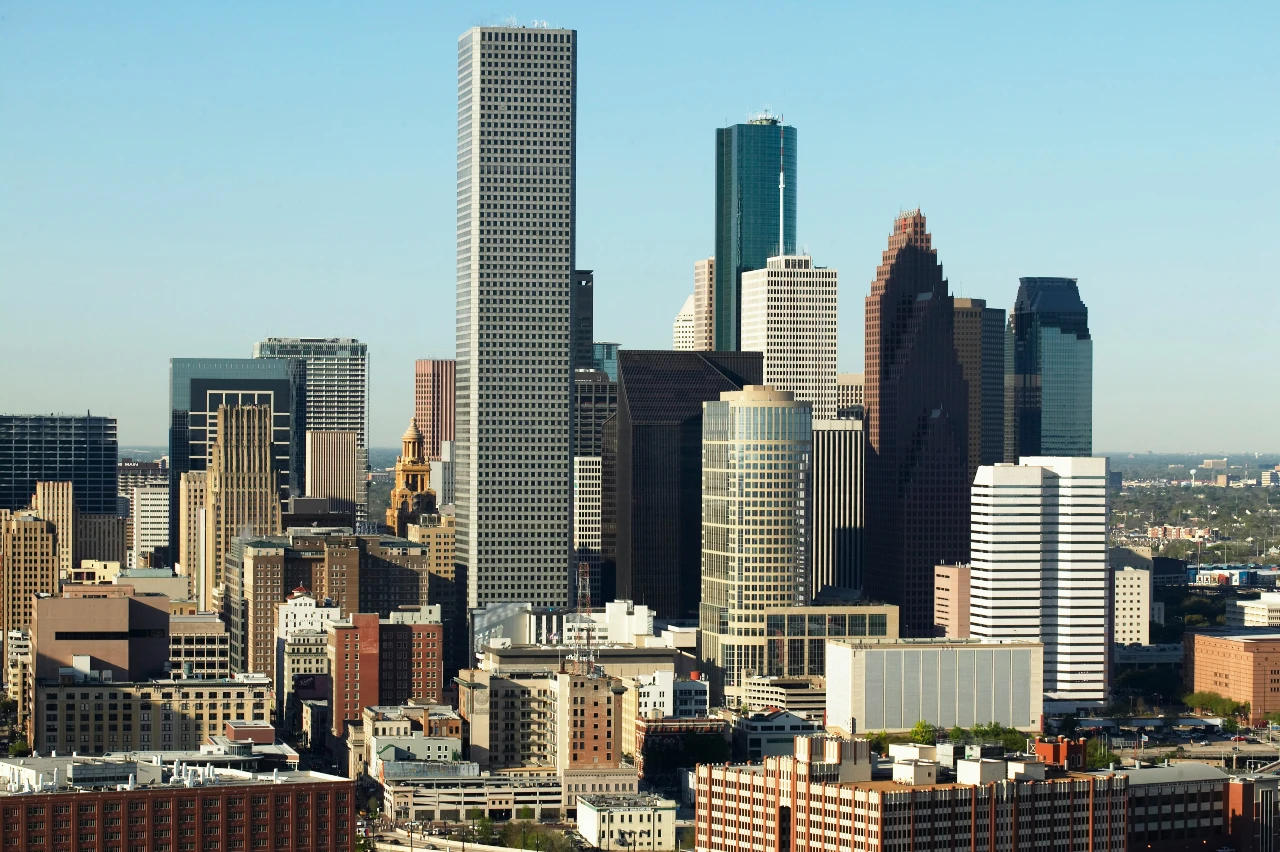
The Dallas-Fort Worth metroplex stands as the premier destination for rental property investment in 2026. For the second consecutive year, DFW ranks as the number one market to watch according to the Urban Land Institute and PwC's Emerging Trends in Real Estate report. The region's combination of economic diversity, population growth, and investor-friendly fundamentals makes it the strongest choice for both new and experienced real estate investors.
DFW isn't just one city, it's a massive interconnected region with over 8.1 million residents projected to surpass 10 million by 2030. This explosive growth creates constant demand across every property segment. The metroplex attracted 100 corporate headquarters between 2018 and 2024, with major employers including AT&T, Southwest Airlines, and Texas Instruments anchoring a diversified economy that reduces investment risk.
What sets Dallas-Fort Worth apart is its accessibility for investors. The median home price sits around $375,000, offering better entry points than coastal markets while maintaining strong appreciation potential. Property values in DFW are forecast to appreciate over 11% over the next three years. Average rents range from $1,475 to $1,957 depending on property type, providing solid cash flow opportunities.
Different areas within DFW cater to different investment strategies. Northern suburbs like McKinney, Frisco, and Allen attract long-term, stable tenants with excellent schools and amenities. For investors seeking more affordable entry points, cities like Sherman and Denison north of the metroplex offer cash-flowing properties with lower acquisition costs.
The rental market fundamentals remain strong despite recent supply increases. Over 5,000 units were leased in the first quarter of 2024, making it the busiest first quarter since 2019. Looking ahead, Dallas-Fort Worth benefits from declining construction starts in 2024, which should tighten supply and support rent growth recovery in 2026. Rents are projected to increase by 1.5% year-over-year by the fourth quarter of 2025, with further gains expected as excess inventory gets absorbed.
For landlords expanding coverage to the DFW area, having comprehensive landlord insurance in Dallas is essential to protect your investment in this dynamic market.
Houston: Cash flow champion with strong rental yields
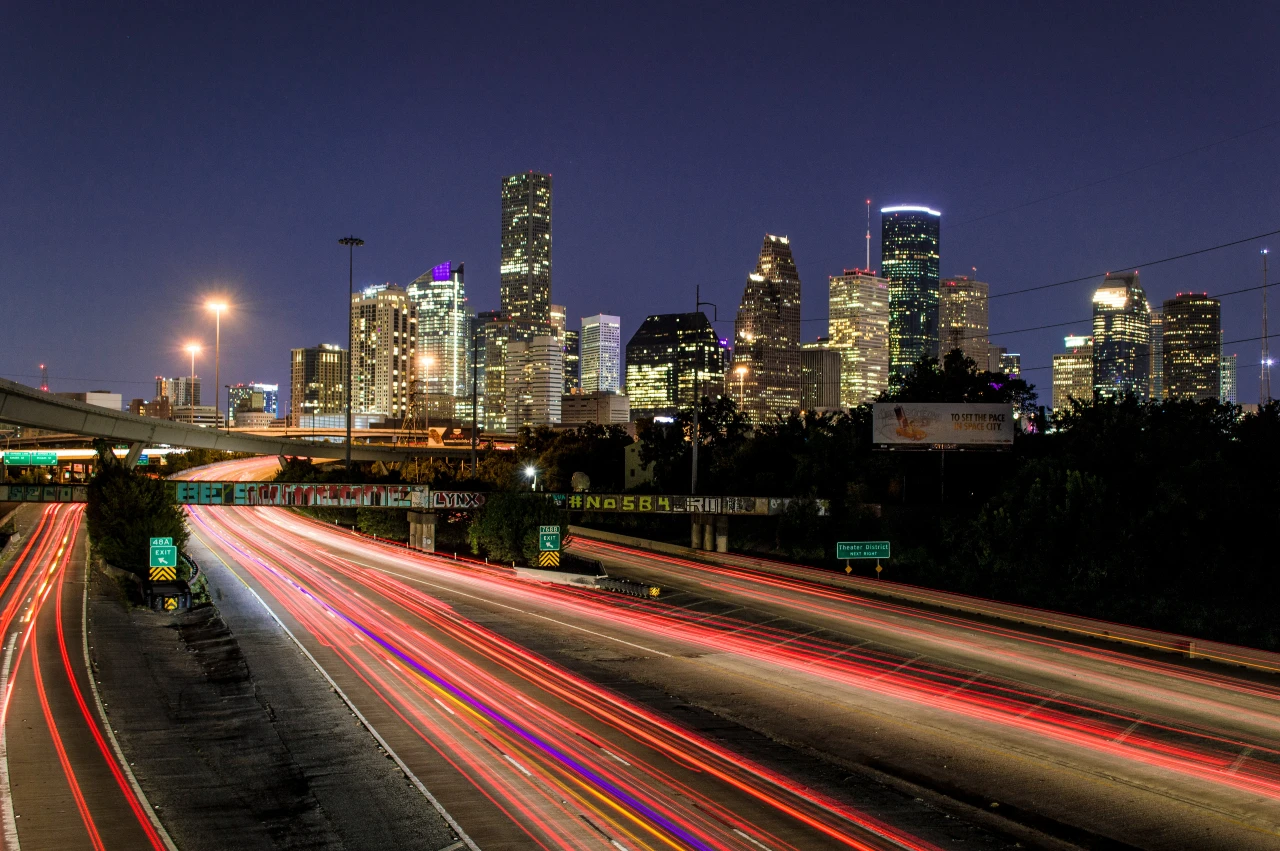
Houston stands out as one of the best cities to own rental property for investors prioritizing immediate cash flow over rapid appreciation. The nation's fourth-largest city offers a compelling combination of affordable property prices, strong rental yields between 6% and 8%, and a diverse economy that provides stability through economic cycles.
Houston's economy extends far beyond its energy sector roots. The metro area has successfully diversified into healthcare, aerospace, technology, and logistics. The Texas Medical Center, the world's largest medical complex, alone employs over 106,000 people. This economic diversity insulates the market from industry-specific downturns that can impact single-sector cities.
With a median home price around $329,000 to $335,000, Houston offers significantly lower entry costs compared to Dallas or Austin. Average rents hover around $1,350 to $1,850 per month depending on property type and location, delivering rental yields that often exceed other major Texas markets. For investors seeking properties under $300,000 that still generate strong monthly income, Houston presents numerous opportunities.
While the urban core offers opportunities, Houston's expanding suburbs represent some of the best cities to invest in rental properties within the metro area. Katy, The Woodlands, Sugar Land, and Pearland are experiencing unprecedented growth driven by corporate relocations and families seeking more space at competitive prices. These suburbs offer modern infrastructure, good schools, and growing populations of young professionals and families.
The market is expected to see rent growth of 3.5% to 5% through 2026, with stronger gains in one- and two-bedroom units where supply remains limited. Houston's population is projected to grow by another 100,000+ residents in 2026, supported by job creation across multiple sectors.
San Antonio: The smart value play for long-term investors

San Antonio represents the ultimate value proposition among the best cities to buy rental property in Texas. With median home prices around $297,000 to $310,000, the city offers the most affordable entry point among major Texas metros without sacrificing economic stability or growth potential. For investors with limited capital seeking strong cash-on-cash returns, San Antonio delivers compelling opportunities.
San Antonio's economy benefits from multiple stable anchors. Joint Base San Antonio, one of the nation's largest military installations, creates constant housing needs. The city's rapidly expanding medical sector, anchored by the South Texas Medical Center, drives professional employment growth. Tourism around landmarks like the Alamo and River Walk generates additional economic activity.
The real estate market has shown consistent, sustainable appreciation. Median sales prices rose from $222,994 in early 2021 to approximately $249,950 by early 2025, representing steady 14-15% growth over four years. Looking ahead to 2026, analysts expect prices to increase another 2.5% to 4.5%, reaching between $304,000 and $310,000.
San Antonio offers attractive rent-to-price ratios with average gross rental yields ranging between 6% and 8% in key submarkets. Average rents sit around $1,600 to $1,692 per month, projected to grow by 4% to 6% through 2026. Neighborhoods like West San Antonio, Southtown, Tobin Hill, and Harlandale offer strong cash flow potential with relatively low entry costs.
What makes San Antonio particularly attractive is the combination of affordability and fundamentals. Properties suitable for rentals start around $200,000 to $350,000 in established neighborhoods, allowing investors to acquire multiple properties or enter the market with smaller budgets. The city also benefits from major infrastructure developments including a $2.5 billion airport expansion project and downtown revitalization efforts that enhance property values citywide.
Austin: Tech-driven demand with premium returns

Austin remains one of the best cities for rental properties for investors willing to accept higher entry costs in exchange for strong appreciation potential and tech-driven tenant demand. The state capital's reputation as a technology and innovation hub continues attracting high-income professionals, creating sustained rental demand despite recent market cooling.
Austin's median home values for investment properties typically range from $400,000 to $600,000 in desirable neighborhoods, significantly higher than other Texas markets. However, this premium pricing reflects the quality of the tenant pool and the city's long-term growth trajectory. Tech worker salaries support higher rents and rent growth, with recent data showing average increases of 4-6% annually.
Over 50% of Austin's population rents, creating a sustained tenant pool. The city's draw for young professionals, students at the University of Texas, and remote workers maintains consistent occupancy rates even as supply increases. The rental market shows resilience with occupancy rates around 91.1% and strong new construction adding options for tenants.
Austin is experiencing a market recalibration after years of rapid appreciation. While prices have cooled from peak levels, this creates better entry points for investors who were previously priced out. Properties historically appreciate 6-8% annually, driven by limited supply relative to demand and high-income tenant pools.
For investors with larger capital bases, Austin offers the potential for higher absolute rental income and stronger long-term appreciation compared to more affordable Texas markets. The focus should be on long-term holds rather than quick flips, as the market rewards patient investors. Rental yields between 5% and 7% combined with appreciation potential make Austin compelling for investors seeking total returns.
Plano: Hidden gem with exceptional tenant quality

Plano represents a compelling opportunity that often flies under the radar of real estate investors focused solely on major metropolitan areas. As a northern suburb of Dallas within the DFW metroplex, Plano combines the economic strength of the nation's top investment market with its own distinct advantages including exceptional schools, corporate headquarters, and a highly educated, stable tenant base.
What makes Plano stand out is the quality of its tenant pool. The city is home to numerous Fortune 500 and Fortune 1000 company headquarters including Toyota North America, Liberty Mutual, JPMorgan Chase, and Capital One. This concentration of corporate employers creates consistent demand from well-compensated professionals seeking quality housing near their workplaces.
The education system in Plano ranks among the best in Texas, with multiple school districts receiving top ratings. This attracts families who prioritize education and tend to be long-term, stable renters. The combination of excellent schools and strong employment creates lower turnover rates compared to markets with more transient populations.
Property prices in Plano typically range from $350,000 to $500,000 for single-family investment properties, positioning it as a premium market within reach of serious investors. While entry costs are higher than markets like San Antonio or Houston, the tenant quality and stability often justify the investment. Average rents in Plano range from $1,800 to $2,500 per month depending on property size and location.
The city benefits from all the growth drivers of the broader DFW metroplex while maintaining its own strong fundamentals. Plano's population has shown steady growth, the local economy remains diverse and stable, and infrastructure including excellent transportation access via major highways and proximity to DFW International Airport enhances its appeal to both residents and employers.
For investors seeking properties that attract high-quality tenants with stable income and lower turnover risk, Plano delivers. The city represents a strategic middle ground between the affordability of emerging markets and the premium pricing of Austin, offering strong fundamentals without the volatility that can affect more speculative investments.
Key factors driving Texas rental property success
What sets these five Texas markets apart as the best cities to buy rental property in 2026? Several common factors make them particularly attractive for real estate investors focused on long-term rental strategies.
As previously mentioned, Texas led the nation in population growth in 2025. This growth is distributed across multiple markets, creating organic demand for housing. The strongest Texas markets have diversified economic bases that reduce investment risk. Dallas-Fort Worth combines finance, technology, and professional services. Houston balances energy with healthcare and aerospace. San Antonio mixes military, medical, and tourism sectors.
Employment growth drives rental demand. Texas added 284,000 jobs from December 2023 to December 2024, a 2.0% annual growth rate exceeding national averages. DFW alone is within 150,000 jobs of Los Angeles, making it the third-largest employment base in the country.
Texas property laws generally favor landlords, providing legal protections and straightforward processes for managing rental properties. The absence of state income tax improves net returns for investors. While all five markets saw construction increases in recent years, the pipeline has moderated heading into 2026, creating better balance between supply and demand.
Investment considerations for success
Succeeding in these markets requires more than just picking the right city. Understanding local dynamics, property selection, and operational strategies determines whether an investment delivers strong returns.
Texas has no state income tax, but property tax rates generally range from 1.8% to 2.5% of assessed value in major metros. These taxes are essential to factor into financial projections and can significantly impact cash flow. Different counties within the same metro area can have varying rates, making location selection crucial.
Different markets reward different approaches. Houston prioritizes cash flow over aggressive appreciation. Austin focuses on long-term appreciation with higher entry costs. San Antonio offers the best balance of affordability and returns for investors with limited capital. Dallas-Fort Worth provides diverse options across multiple price points. Plano delivers premium tenant quality with stability.
Within each market, specific neighborhoods drive performance. Areas near employment centers, good schools, infrastructure improvements, and amenities command higher rents and better tenant quality. Success in rental property investment depends heavily on effective property management to maximize occupancy and maintain properties.
Protecting your investment starts with comprehensive landlord insurance coverage. Texas properties face specific risks including storms, hail, and flooding in certain areas. Having proper fire insurance for a rental property, landlord liability insurance, and loss of rent coverage protects against common perils that can disrupt cash flow or cause significant financial losses.
Making your Texas rental property investment
The best cities to buy rental property in Texas for 2026 all share strong fundamentals that support long-term investment success. Dallas-Fort Worth leads with its economic diversity, population growth, and investor-friendly environment. Houston delivers strong cash flow with attractive yields. San Antonio offers the best value play with accessible entry points. Austin provides tech-driven appreciation potential. Plano combines quality tenants with DFW market strength.
For real estate investors, Texas continues offering compelling opportunities across multiple markets and price points. The state's landlord-friendly regulations, absence of state income tax, strong job growth, and expanding population create conditions for sustained rental demand and property appreciation through 2026 and beyond.
The key to success lies in matching your investment strategy to the right market. Prioritizing immediate cash flow? Houston and San Antonio deliver strong yields with lower entry costs. Seeking long-term appreciation with premium tenants? Austin and Plano offer tech and business-driven growth. Want market-leading diversification? Dallas-Fort Worth provides options across every price point and property type.
As you evaluate these markets, remember that location selection within each city matters as much as city selection itself. Working with local real estate professionals, understanding neighborhood dynamics, securing proper landlord insurance coverage, and developing solid property management systems will determine whether your Texas rental property investment achieves its full potential.
The expansion of insurance coverage options across these Texas markets represents an important development for investors. Having access to comprehensive landlord insurance ensures you can protect your investments as you build your portfolio in these high-growth markets.




.jpg)



.png)