
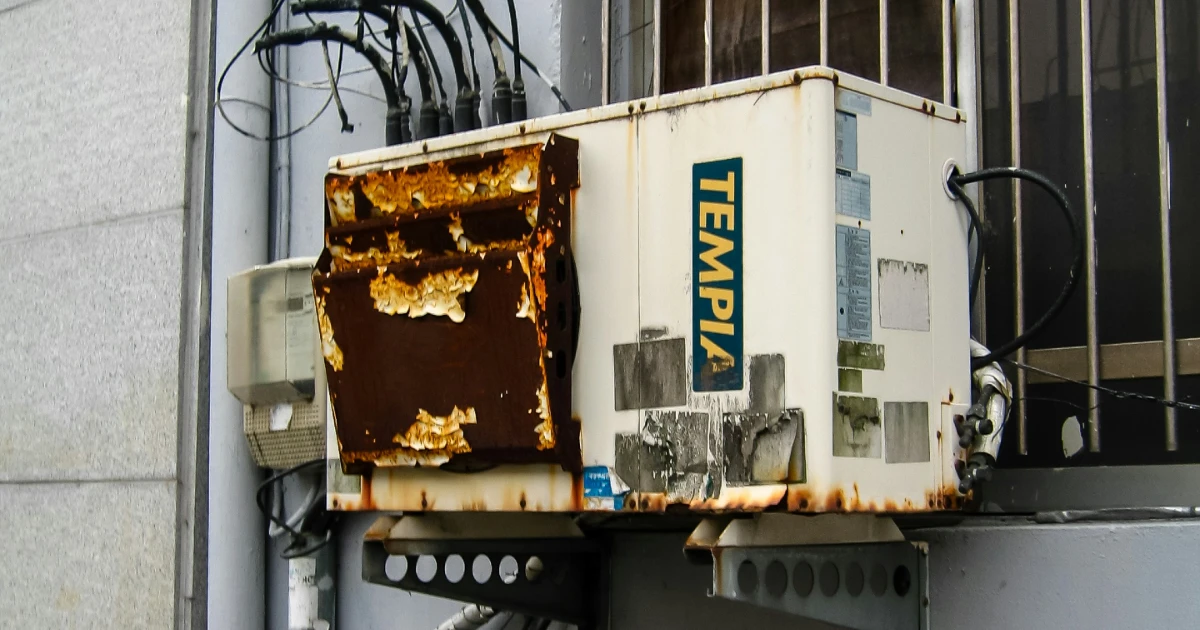
Electrical fires: A serious and common risk in rental properties
Electrical fires are one of the leading causes of residential fires in the United States. For landlords, they represent a particularly serious threat because rental properties often have aging infrastructure, multiple tenants with different habits, and limited landlord visibility into how the electrical system is being used day to day. Unlike a kitchen fire or a candle left burning, electrical fires can start inside walls, in panel boxes, or behind outlets, often without any warning.
The National Fire Protection Association estimates that electrical failures or malfunctions cause tens of thousands of home structure fires every year. Rental properties face elevated risk simply because they see more occupants over time, more wear on wiring and outlets, and sometimes deferred maintenance that wouldn't be tolerated in an owner-occupied home. Understanding what starts these fires, what your insurance covers, and how to reduce the risk is essential if you own rental property.
Common causes of electrical fires in rental properties
Knowing what actually starts electrical fires helps you prioritize where to spend money on prevention and what to disclose when shopping for landlord insurance.
Aging wiring systems. Knob-and-tube wiring, common in homes built before 1940, was never designed for modern electrical loads. It lacks a ground wire, can't handle today's appliances, and deteriorates badly over decades. Aluminum wiring, installed widely in the 1960s and 70s as a cheaper alternative to copper, expands and contracts differently than the devices it connects to, loosening connections over time and creating arcing risks. Both systems significantly increase fire risk and can make properties harder to insure.
Overloaded circuits and panels. A circuit breaker is supposed to trip when a circuit is overloaded. But older panels with worn breakers sometimes don't trip properly, allowing wires to overheat inside walls. Tenants running multiple high-draw appliances on a single circuit, like space heaters, microwaves, and window AC units, create exactly this scenario.
Faulty or worn outlets. Outlets loosen over time. A loose connection causes arcing, where electricity jumps across a gap and generates intense heat. Older two-prong outlets without grounding are a related concern, especially when tenants use adapters to plug in grounded devices.
GFCI failures. Ground fault circuit interrupter outlets are required in kitchens, bathrooms, garages, and outdoor areas. A GFCI that hasn't been tested in years may look fine but no longer trip when it should, leaving tenants exposed to shock and leaving wiring exposed to fault conditions that can spark a fire.
Space heaters and extension cords. Tenants using space heaters plugged into extension cords is a genuinely dangerous combination. Extension cords aren't rated for continuous high-current loads. The cord overheats, the insulation melts, and if the cord is under a rug or against a wall, the fire spreads before anyone notices.
Does landlord insurance cover electrical fires?
Yes. Fire is one of the most universally covered perils in standard landlord insurance policies. When an electrical fire damages your rental property, your dwelling coverage responds to pay for repair or rebuilding costs, up to your policy limits.
Dwelling coverage under a landlord policy covers the physical structure, including walls, flooring, ceilings, the roof, built-in appliances, and attached structures like a garage. If an electrical fire burns through a bedroom wall, chars the subfloor, and damages the HVAC system, all of that falls under dwelling coverage. This is true whether the fire starts in an outlet, inside the wall, in the electrical panel, or from tenant misuse of an appliance.
The key condition is that the fire must be accidental. Intentional fires set by you or someone acting on your behalf aren't covered. But tenant negligence, like overloading a circuit with too many extension cords, is generally treated as accidental and falls within normal coverage.
What landlord insurance does and doesn't cover after an electrical fire
Understanding the boundaries of coverage helps you avoid unpleasant surprises during the claims process.
What's typically covered:
- Structural repairs to the building, including walls, floors, ceilings, and the roof
- Built-in appliances and fixtures damaged by the fire
- Loss of rental income while the property is uninhabitable and under repair, through loss of rents or fair rental value coverage
- Liability if a tenant or visitor is injured as a result of the fire and brings a claim against you as the property owner
- Additional living expenses for tenants, in some policies, though this is more commonly a renters insurance item
What's typically not covered:
- The electrical system itself, meaning wiring, the panel, and outlets aren't covered under dwelling coverage as a maintenance item. If the wiring was faulty and caused the fire, the fire damage is covered. But replacing aging wiring that hasn't caused a fire is a maintenance expense, not an insurance claim.
- Tenant belongings. Your landlord policy doesn't cover the tenant's furniture, electronics, clothing, or personal property. That's what renters insurance is for, which is why requiring tenants to carry a renters insurance policy is strongly advisable.
- Code upgrade costs. If your jurisdiction requires bringing electrical systems up to current code as part of a repair, standard policies don't cover that extra cost unless you've added an ordinance or law coverage rider. This can be a significant expense in older properties.
A realistic scenario: The faulty bedroom outlet
Picture a single-family rental home built in 1968. The landlord bought it a few years ago and updated the kitchen, but left the original wiring largely intact. The bedroom outlets are the original two-prong type in some rooms, with a mix of three-prong outlets added later by a previous owner.
One night, a tenant plugs a phone charger into a bedroom outlet that has a slightly loose connection. The arcing starts slowly inside the outlet box, generating heat that builds over a couple of hours. By 2 a.m., the insulation on the wiring behind the outlet has ignited. The fire spreads inside the wall before the tenant wakes up to the smell of smoke.
The tenant escapes safely and calls 911. The fire department responds and contains the fire, but not before it burns through a section of wall, damages a closet, chars the subfloor, and causes smoke and water damage through that portion of the house. The property is uninhabitable for two months during repairs.
Here's how insurance responds in this scenario. The landlord's dwelling coverage pays for the structural repairs: drywall, framing, flooring, and the damaged electrical outlet and wiring in the affected area. Loss of rents coverage kicks in to replace the rental income lost during the two-month repair period. The landlord's liability coverage responds when the tenant files a claim arguing the landlord failed to maintain safe wiring, which is a reasonable argument given the original 1968 wiring still in place.
What's not covered: The tenant's belongings, which were damaged by smoke and water. And because the local code requires updating the wiring throughout the room to modern standards as part of the repair, that code upgrade cost isn't covered without an ordinance or law rider, which this landlord didn't have. That's an out-of-pocket expense of several thousand dollars that a simple policy endorsement would have handled.
Landlord obligations around electrical safety
Landlords have a legal duty to provide habitable, safe rental units. Electrical safety is a core component of that obligation. Most states and many local jurisdictions require that rental properties meet minimum electrical safety standards, which typically include functioning GFCI protection in wet areas, no exposed wiring, properly grounded outlets, and electrical panels in safe operating condition.
Failing to maintain safe wiring isn't just a liability issue, it's also an insurance issue. If an insurer discovers that you knew about a wiring problem and didn't address it, they may have grounds to reduce or deny a claim on the basis that the hazard was known and unmitigated. Documenting repairs, inspections, and communications with tenants about electrical issues is important protection for you.
Regular electrical inspections by a licensed electrician are a reasonable practice for older properties. Many landlords inspect older wiring systems every five to ten years, or whenever a property turns over to a new tenant. Some insurers actually require inspections as a condition of coverage for properties with knob-and-tube or aluminum wiring.
Tenant obligations and best practices
Tenants share responsibility for electrical safety, even if the landlord owns the system. Lease agreements should include clear language about how tenants are expected to use electrical systems safely. Specific provisions worth including:
- Prohibiting the use of space heaters without landlord approval, or at minimum specifying that they must be plugged directly into wall outlets, not extension cords
- Prohibiting daisy-chaining power strips or running extension cords under rugs or through walls
- Requiring tenants to report any sparking, flickering lights, warm outlets, or burning smells immediately
- Specifying that tenants are responsible for replacing batteries in smoke and carbon monoxide detectors
Even with these provisions in place, tenant behavior is hard to control completely. The stronger protection is building a property that's resilient to typical tenant misuse, with modern wiring, adequate circuit capacity, and AFCI breakers that detect arcing faults before they become fires.
How an electrical fire insurance claim works
If an electrical fire damages your rental, the claim process follows a predictable path. Here's what to expect:
Immediate steps: Make sure the property is safe before re-entering. Contact your insurance company within 24 hours of the fire. Take photos and video of all damage before anything is moved or cleaned up. Get a copy of the fire department report, which will document the fire's origin and likely cause. This report matters when the adjuster evaluates the claim.
Working with the adjuster: An insurance adjuster will inspect the property, review the fire department report, and assess the scope of damage. For electrical fires, the adjuster may bring in an electrician or fire investigator to confirm the cause. Be cooperative and provide all documentation you have, including records of any electrical work done on the property.
Restoration and timeline: Once the claim is approved, you'll work with a restoration contractor to repair the structure. Your insurer may have a preferred contractor network, or you may hire independently. Keep all receipts and invoices. Loss of rents coverage will begin paying out while the property is under repair, typically up to the limits specified in your policy.
How electrical fires and wiring conditions affect your premiums
Older wiring is a red flag for insurers because it correlates directly with higher fire risk. If your property has knob-and-tube or aluminum wiring, expect one of three things: higher premiums to account for the elevated risk, specific exclusions or limitations tied to electrical fire causes, or a requirement to update the wiring before the insurer will bind coverage at all.
Properties with updated electrical systems, including 200-amp service panels, copper wiring, AFCI breakers in bedrooms and common areas, and GFCI protection in required locations, are generally easier to insure and attract better rates. Some insurers offer discounts for properties with documented electrical inspections or recent panel upgrades.
When you get a landlord insurance quote, disclose the wiring type and age accurately. Misrepresenting the property's electrical condition can give the insurer grounds to deny a claim later. It's better to pay a higher premium for an older property than to find out during a claim that your coverage was voided by an omission.
Prevention: The most cost-effective risk management tool
Insurance covers the financial fallout after a fire. Prevention keeps the fire from happening in the first place, which is always the better outcome. A few targeted investments go a long way:
Wiring inspections. Hire a licensed electrician to inspect the property when you purchase it and every several years after. For properties with knob-and-tube or aluminum wiring, inspections become more important, not optional.
Panel upgrades. If the property has a Federal Pacific or Zinsco panel (both known for breaker failure issues), replacing the panel is a high-priority safety improvement. A modern 200-amp panel with properly rated breakers provides meaningful protection against overload fires.
AFCI breakers. Arc-fault circuit interrupters detect the electrical signature of arcing inside walls and outlets, and trip the breaker before a fire starts. National electrical code now requires them in bedrooms and many other living spaces. Retrofitting them into an older property is one of the best fire prevention investments available.
GFCI outlets. Test all GFCI outlets at every tenant turnover. Replace any that don't trip properly. Install them anywhere they're required but missing, including kitchens, bathrooms, garages, and exterior outlets.
Smoke alarms. Hard-wired interconnected smoke alarms give the fastest warning when a fire starts inside a wall or in a less-trafficked area. Battery backup ensures they still work during a power outage caused by the fire itself.
Key takeaways for landlords
- Electrical fires are one of the most common and serious risks in rental properties, particularly in older homes with aging wiring.
- Standard landlord insurance covers fire damage, including electrical fires, under dwelling coverage. Fire is a named covered peril in virtually all landlord policies.
- Coverage includes structural repairs, loss of rental income, and liability protection. It does not cover tenant belongings, the electrical system as a maintenance item, or code upgrade costs without the right endorsements.
- Adding an ordinance or law rider is a smart move for properties where code upgrades might be required as part of fire repairs.
- Requiring tenants to carry renters insurance ensures their belongings are covered and reduces the likelihood of tenants seeking recovery from you after a fire.
- Older wiring, particularly knob-and-tube and aluminum systems, raises your insurance costs and may affect what coverage is available. Disclosing wiring conditions accurately when getting quotes protects your coverage.
- Proactive electrical maintenance, including panel upgrades, AFCI breakers, and regular inspections, reduces fire risk and can improve your insurability.
- Document everything: inspections, repairs, tenant communications about electrical issues. Good documentation protects you in both insurance claims and liability situations.

.jpg)




.png)