

A fire at a rental property can be devastating, but once the flames are out, landlords have important legal, financial, and ethical responsibilities to address. From ensuring tenant safety to filing insurance claims and restoring the property, what happens after the fire is just as critical as fire prevention.
If you're wondering what a landlord is responsible for after a fire, here's a breakdown of the essential steps.
Understanding the immediate impact
Fire damage extends far beyond what's visible to the naked eye. Smoke can affect areas of the property that weren't directly touched by flames, while water damage from firefighting efforts often compounds the destruction. Recognizing the full scope of damage is crucial for making informed decisions about tenant safety, insurance claims, and restoration timelines.
The emotional and financial stress on both landlords and tenants can be overwhelming. Having a clear action plan helps ensure nothing falls through the cracks during this critical period.
1. Ensure tenant safety and provide immediate communication
The first priority after a fire is the health and safety of your tenants. Even if the damage looks minimal, landlords should confirm that tenants are safe and accounted for, avoid allowing anyone to re-enter until the property has been deemed safe, and notify tenants of next steps including temporary displacement and repairs.
In many states, you're legally required to provide written notice if the unit is uninhabitable. It's also best practice to keep communication open and empathetic. Tenants may be displaced and facing their own losses, and how you handle those first conversations matters.
Developing a clear communication system helps during the recovery process. Consider a dedicated phone line or email address for fire-related updates, and set regular check-in schedules with displaced tenants. Providing a written timeline of expected repairs, even a rough one, reduces anxiety and helps maintain trust.
Coordinate closely with fire department officials, building inspectors, and emergency services to understand when the property can be safely accessed. Don't rush this process. Structural damage may not be immediately apparent, and exposure to smoke and soot can pose serious health risks.
Request official documentation from the fire department about the cause of the fire and any safety recommendations. This paperwork will be valuable for insurance claims and may be required by local authorities before tenants can return.
2. Secure the property to prevent further damage
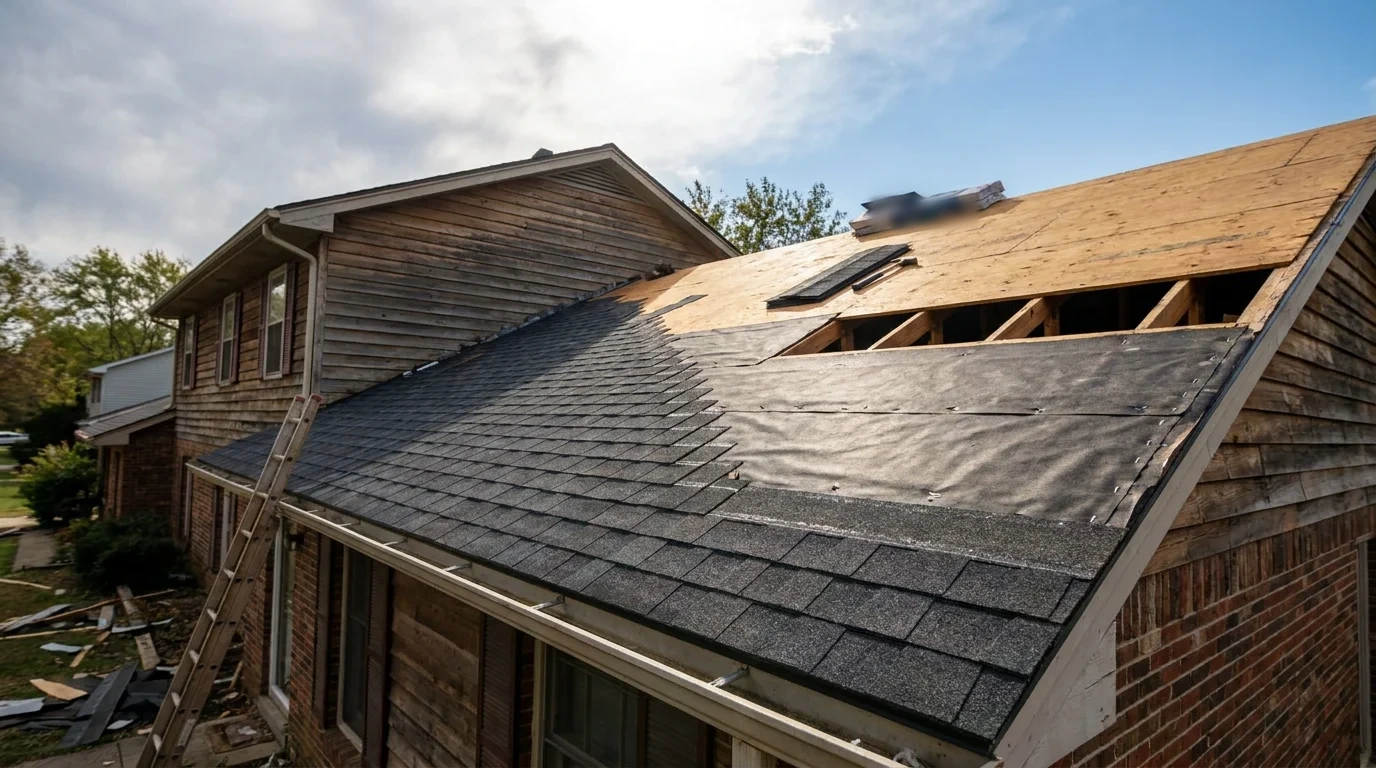
Even after the fire is out, additional damage can occur from weather, vandalism, or trespassers. Landlords are generally responsible for securing the property, which can include boarding up windows or doors, installing temporary fencing, tarping roof damage, and arranging for water or smoke mitigation.
This protects your investment and can also be required by your insurance provider to keep your policy valid during the claims process.
Time matters when it comes to preventing secondary damage. Contact emergency mitigation specialists who can provide 24/7 services to remove standing water from firefighting efforts, set up dehumidification equipment to prevent mold growth, begin smoke and soot removal, and stabilize damaged structural elements. Acting quickly in the first 48 to 72 hours can significantly reduce overall restoration costs.
Keep detailed records of all security and mitigation measures taken, including photographs, receipts, and contractor agreements. Your insurance company will want proof that you took reasonable steps to prevent further damage.
3. Assess the damage and file a landlord insurance claim
Next, you'll need to document the damage and begin the insurance process. A solid landlord insurance policy typically covers structural repairs due to fire damage, loss of rental income during restoration, and cleanup and debris removal. As the property owner, you, not your tenants, are responsible for filing the claim. Take detailed photos, save receipts, and keep a record of all communications with contractors and insurers.
Many fires cause layered damage. Fire spreads quickly and leaves behind residue that penetrates walls and cabinets. If your tenants were involved when the fire started, the cause is usually accidental, which is typically covered under standard fire coverage for landlords. That said, understand exactly what your policy includes before assuming everything will be reimbursed.
Insurance adjusters will inspect the property to assess damage and determine coverage. Prepare by gathering all relevant property documentation including recent renovations and maintenance records, providing a detailed inventory of damaged property and fixtures, being present during the inspection to point out all damage, and requesting a copy of the adjuster's report. Don't feel pressured to accept the first settlement offer. If you believe the assessment falls short, you have the right to request a re-evaluation or hire an independent adjuster.
Review your policy carefully to understand what's covered and what isn't. Some policies have limitations on certain types of smoke damage or may require specific procedures for large claims.
4. Determine habitability and next steps for tenants
If the rental unit is deemed uninhabitable, you're typically not allowed to collect rent during the repair period. In many cases, landlord insurance with loss of rent coverage can help cover this gap.
You're not usually responsible for paying for a tenant's hotel or temporary housing unless your lease agreement specifically says otherwise. However, some landlords choose to help tenants relocate temporarily to preserve the relationship and avoid vacancy issues later.
Habitability standards vary by jurisdiction but generally include safe electrical and plumbing systems, adequate heating and ventilation, structural integrity and weather protection, freedom from health hazards like mold or toxic fumes, and functioning smoke and carbon monoxide detectors. Even if parts of the property weren't directly damaged, smoke and water damage can render a unit uninhabitable. When in doubt, consult local building officials or a qualified inspector.
While you're not legally required to provide temporary housing, consider the long-term benefits of helping good tenants. Connecting them with housing resources, offering rent credits, or providing storage for their belongings during restoration can make a real difference. Retaining existing tenants is often more cost-effective than finding new ones after repairs are done.
5. Begin repairs and restoration promptly
Landlords are responsible for making repairs that restore the property to livable condition. That includes hiring licensed contractors for electrical, plumbing, and structural work, ensuring repairs meet local building codes, and passing inspections before tenants return.
Delaying repairs not only prolongs your loss of income; it can also open you up to legal risks if the delay is deemed negligent.
Choose contractors who specialize in fire restoration and have experience working with insurance companies. Verify that they are properly licensed and insured, certified by relevant industry organizations like the Institute of Inspection, Cleaning and Restoration Certification, and able to provide references from similar projects. Get multiple estimates for major work, and don't automatically go with the lowest bid. Quality workmanship matters for both safety and long-term property value.
Stay involved throughout the restoration process by conducting regular walk-throughs with contractors, documenting progress with photos, and ensuring all work meets local building codes before scheduling inspections.
What landlord insurance typically excludes
Knowing what your policy covers is important, but knowing what it doesn't cover is just as valuable. Most standard landlord insurance policies won't cover your tenant's personal belongings. If a kitchen fire destroys a tenant's furniture, electronics, or clothing, that's the tenant's responsibility, which is why requiring renters insurance as a lease condition is a smart move.
Policies may also exclude damage that results from a landlord's failure to maintain the property. For example, if a grease fire started because the kitchen exhaust fan was broken and you had ignored multiple requests to fix it, your insurer could argue that negligence played a role. Documenting maintenance requests and keeping appliances in working order protects you in these situations.
Some policies limit coverage for properties that were vacant for an extended period before the fire, so check your policy's vacancy clause. And if the fire was intentionally set by someone connected to the property, coverage gets more complicated.
Cosmetic upgrades are generally not covered either. If your kitchen had outdated cabinets before the fire, the insurer will typically only pay to restore what was there, not to upgrade it. Understanding these limits before you file a claim helps you set realistic expectations and avoid disputes with your insurer.
Financial recovery and planning
Fire damage can have long-lasting financial implications beyond the immediate repair costs. During the restoration period, work with your insurance company to secure advance payments where possible. Consider short-term financing options for expenses that come up before your claim is settled. Explore whether any fire-related losses are tax-deductible, and plan for the possibility of an extended vacancy period in your budget.
Once repairs are complete, use this experience to evaluate your coverage. Ask whether your coverage limits were adequate, whether you should add ordinance and law coverage (which pays for code upgrades required during repairs), and whether your deductibles make sense given the scale of losses you experienced. Comparing insurers and policy options periodically is a healthy habit for any landlord.
Final thoughts
A landlord's responsibility after a fire doesn't end when the flames are out. From protecting tenants to restoring the property and reviewing your coverage, each step plays a role in a full recovery. Acting quickly, staying organized, and communicating clearly with tenants, contractors, and your insurer makes the process far more manageable.
No two fire situations are identical, so don't hesitate to get professional advice, whether from a property attorney, a public adjuster, or a fire restoration specialist. Building strong relationships with these professionals before an emergency occurs puts you in a much stronger position when you need them most.
Steadily provides landlords with coverage for fire damage. Get a quote today.


.jpg)




.png)