Landlord insurance in Tennessee
Landlord insurance in Tennessee protects rental property owners from property damage, liability exposure, and lost rental income. Coverage levels and pricing vary depending on property characteristics. Get a quote for Tennessee landlord insurance built for rental properties.
- Largest rental property specialist in the US 1
- Quote in seconds
- Award-winning customer service

We've gotten more than $111 million in property insured in Tennessee
I had a quote within half an hour and then connected them with my mortgage lender for closing via email. Very easy to work with.
Eric Martin The process of getting a landlord policy was very smooth. A few text messages, and the price was great, new policy saved us over $600!
Arnold Chambers Best coverage option for small landlord. Very impressed by easy to navigate website and competitive coverage. Couldn't ask for better.
Robert Unterberger
What to know about rental properties in Tennessee
Tennessee has become a popular destination for rental property investment. Nashville's growth has been dramatic, adding nearly 20,000 residents between 2024 and 2025, but Memphis, Knoxville, Chattanooga, and the smaller cities across the state all offer solid rental opportunities. The state has no rent control, the landlord-tenant laws favor property owners, and the eviction process is among the fastest in the country.
Property investment fundamentals remain exceptionally strong throughout Tennessee's diverse metropolitan markets, where demographic shifts continue driving rental demand across multiple price segments. Nashville-Davidson County recorded over 100,000 new residents between 2010 and 2020, while Memphis maintains steady occupancy rates averaging 94% in established rental districts. Emerging markets like Murfreesboro and Franklin demonstrate consistent appreciation patterns that support long-term investment strategies.
Tennessee's weather includes severe thunderstorms, tornadoes (especially in the middle and western parts of the state), hail, and occasional winter ice storms. The devastating Nashville tornadoes in 2020 demonstrated how vulnerable even major cities are to severe weather. Middle and West Tennessee sit in an area known as "Dixie Alley" — a secondary tornado corridor that's increasingly recognized for its tornado frequency and intensity.
The National Weather Service records approximately 26 tornadoes annually across Tennessee. Peak activity occurs March through May. Davidson County alone experiences an average of 3.2 tornado events per year, with EF2-rated storms generating wind speeds exceeding 111 mph.
How landlord insurance works in Tennessee
Landlord insurance in Tennessee covers the dwelling, liability, and income risks that come with renting property to tenants. A homeowners policy won't cover these risks for a rental property.
Dwelling coverage handles structural damage from tornadoes, storms, fire, and other covered events. Liability coverage protects against tenant and visitor injury claims. Loss of rent coverage replaces income during repair periods. Tennessee's tornado and storm exposure make dwelling coverage particularly important; roof and exterior damage from wind and hail events is among the most common claims.
Tennessee landlords should be aware that the standard insurance policy does not cover flooding, so those in flood-prone areas should consider adding a separate policy.
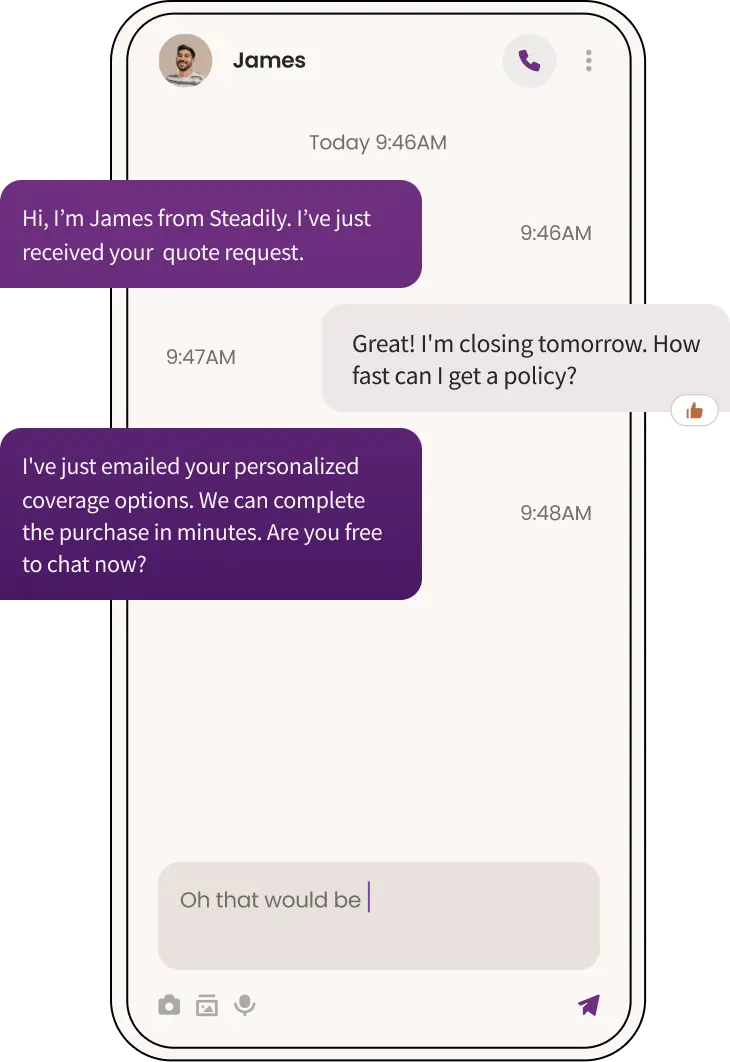
Should you invest in rental property in Tennessee?
Wondering whether buying a rental in the Volunteer State actually pencils out? The price-to-rent ratio below divides a home's price by a year of rent, a fast read on buying versus renting: under about 15 favors buying, over 20 favors renting, and the national average sits near 23. We rank all 50 states from #1 (best value for buyers) to #50 (worst), and Tennessee lands mid-pack.
Single-family homes in Tennessee
- $413,967
- Data provided by Redfin
- $1,930
- 17.9
- (Rank: #37 of 50)
Condos in Tennessee
- $336,333
- Data provided by Redfin
- $1,390
- 20.2
- (Rank: #37 of 47)*
*Condo data is not always available in all 50 states.
Already know your property's address? Get an instant landlord insurance estimate with our calculator.
DP-1 vs DP-3 comparison for Tennessee
| Feature | DP-1 | DP-3 |
|---|---|---|
| Fire and lightning damage | ||
| Windstorm and hail | ||
| Explosion damage | ||
| Loss of rent | ||
| Liability coverage | ||
| Water damage | * | |
| Theft and vandalism | * | |
| Actual cash value payout | ||
| Falling objects | ||
| Freezing pipes | ||
| Weight of ice and snow | ||
| Open peril coverage | ||
| Replacement cost payout | ** |
*Water damage, theft, and vandalism are not standard on the DP-1, but can be added for an additional premium and are commonly included.
**Claim payouts on both policy types may default to actual cash value if your roof exceeds a certain age, which varies by state. In New Mexico and West Virginia, all payouts will be replacement cost.
Do you need landlord insurance in Tennessee?
Tennessee's position in Dixie Alley, combined with the state's susceptibility to flooding and severe thunderstorms, creates meaningful property damage risk. Major storms affect the state every year, and a single event can generate repair costs that exceed years of premium payments.
Weather-related property damage represents the primary exposure category for Tennessee rental properties. Hail damage claims averaged $8,400 per incident statewide in 2023. Wind damage repairs typically range from $3,200 to $15,600 depending on structural complexity. Water damage from storm-driven flooding affects approximately 12% of Tennessee properties annually.
Tennessee experiences over 50 severe weather days per year on average, making comprehensive coverage selection and rapid claim response capabilities essential components of successful property investment strategies across all major metropolitan markets throughout the state.
If you don't have landlord insurance for your Tennessee rental, you are assuming potentially catastrophic financial risk.

Average cost of landlord insurance in Tennessee
Tennessee's median landlord insurance premium is around $1,197.50 per year. That's slightly below the national average, even considering that state has real storm and tornado exposure.
It's worth noting that urban Tennessee markets can carry different liability profiles than rural ones, which can lead to higher premiums. The median is a good starting point, but the exact location of your property will matter quite a bit in determining your premium; Tennessee has diverse geography from the Appalachian Mountains in the east to the Mississippi River plains in the west. Premiums can vary significantly from town to town based on local risk factors, and your property type, its age, and condition will also determine where your actual premium lands relative to the median.
To get a quote on your rental property, all you need to do is enter your address and some other quick details below. Quotes are completely free and will be sent to your email within minutes.

Properties we look after


Not sure if your property is covered?
Contact usCoverages
We cover a wide range of risks, or you can choose a limited set of coverages for a lower premium


FAQs about landlord insurance in Tennessee
Is landlord insurance legally required in Tennessee?
Tennessee doesn't have a state law requiring landlords to carry insurance on rental properties. Mortgage lenders do require it, and the state's exposure to tornadoes, severe thunderstorms, and hail makes going without coverage a significant financial gamble for any property owner.
Can a landlord require renters insurance in Tennessee?
Yes. Tennessee landlords can include a renters insurance requirement in the lease, and it's enforceable. This practice is especially common in Memphis, Nashville, and other active rental markets across the state. Requiring tenants to carry their own HO-4 policy is one of the simplest steps a landlord can take to reduce their overall risk.
Does landlord insurance cover tenant damage in Tennessee?
Accidental damage from tenants — like a kitchen fire or water damage from an overflowing bathtub — is generally covered. Intentional damage, like vandalism during or after an eviction, is typically excluded from standard policies. Normal wear and tear isn't covered either. For protection against intentional destruction, landlords can look into malicious damage endorsements, though the first lines of defense remain thorough tenant screening and collecting an adequate security deposit.
Nearby cities
- Landlord Insurance in Bartlett TN
- Landlord insurance in Johnson City, TN
- Landlord insurance in Franklin, TN
- Landlord insurance in Jackson, TN
- Landlord Insurance in Murfreesboro TN
- Landlord insurance in Clarksville, TN
- Landlord insurance in Chattanooga, TN
- Landlord insurance in Knoxville, TN
- Landlord insurance in Nashville, TN
- Landlord insurance in Memphis, TN



Get coverage in minutes
Competitive rates nationwide. Purpose-built for rental property investors.
