

Ready to close on your rental property? If you haven't done due diligence – no, you're not.
Due diligence is the most important process standing between real estate investors and a potentially costly mistake. Whether you're buying your first investment property or adding to an existing portfolio, understanding what due diligence in real estate is can save you from hidden problems that could drain your bank account for years.
The due diligence period is your protected window to investigate everything about a property between when your offer to purchase a property is accepted, and when you actually close. Think of it as your chance to look under the hood before buying the car. During this time, you can inspect, review, investigate, and ultimately decide if this property deserves your investment dollars.
We've compiled a list of 11 key due diligence items real estate investors should have on their "checklist" before closing on a property. Keep in mind that every situation is different and you should always consult with a qualified real estate attorney, financial advisor, and other professionals before making a purchase as large as a rental property; this guide provides general information only and should not be construed as legal, financial, or professional advice.
What is due diligence in real estate?
Due diligence in real estate is the comprehensive investigation process that occurs after a buyer and seller sign a purchase agreement but before the sale closes. It's your contractual right to verify that the property is exactly what the seller claims it to be. If you plan on turning the property into a rental, it becomes even valuable; you must confirm there are no hidden issues that could affect your ability to operate it as a rental.
During this period, you're not just looking at the physical condition of the building. You're reviewing financial records, examining legal documents, checking zoning compliance, investigating environmental concerns, and confirming that the property can actually generate the income you're projecting. The goal is to either confirm your decision to buy, or discover problems that justify renegotiating the price, requesting repairs, or walking away entirely.
For rental properties specifically, due diligence takes on additional importance because you're not just buying a home – you're buying a business. You need to verify rental income, review existing leases, check tenant payment histories, and ensure the property complies with all local landlord-tenant laws.
What is the due diligence period?
The due diligence period is the specific timeframe written into your purchase contract during which you have the right to conduct your investigation and back out of the deal without losing your earnest money deposit. This period typically begins the day after contract acceptance and ends on a date specified in the agreement.
How long is due diligence period you may ask? The answer could vary significantly by location and market conditions. In most residential home purchases, you'll see due diligence periods ranging from 10 to 30 days, though some states have different norms. In hot markets, sellers may pressure buyers to close faster, while in slower markets, buyers might negotiate for 45 days or more, especially for commercial or multi-unit properties that require more extensive investigation.
The clock starts ticking immediately after contract acceptance, so you need to have your inspection team, attorney, and other professionals lined up and ready to move quickly. Missing your due diligence deadline typically means you lose your right to back out without financial penalty, so time management during this period is absolutely critical.
Due diligence checklist when buying real estate
A thorough real estate due diligence checklist ensures you don't miss critical issues that could affect your investment. Here are the 11 essential steps every rental property investor should take before purchase:
1. Order comprehensive property inspections
Start with a comprehensive property inspection conducted by a licensed professional. This isn't the time to cut corners; hire an experienced inspector who specializes in rental properties and understands what to look for in investment real estate. They should examine the foundation, roof, electrical systems, plumbing, HVAC, windows, doors, and overall structural integrity.
For multi-unit properties, the inspection should cover all units, common areas, and shared systems. Pay special attention to the roof's remaining lifespan, the age of major systems like water heaters and furnaces, and any signs of water damage or pest infestation. Consider additional specialized inspections based on the property's age and location; older properties may need lead paint testing, asbestos inspection, or evaluation of outdated electrical panels.
It bears repeating; you should not spare expense on hiring a professional, thorough property inspector. The cost wouldn't be anywhere near what you'll pay if you discover a crack in the foundation years down the line.
2. Conduct title search and legal review
Your title company will conduct a title search to confirm the seller actually owns the property and has the legal right to sell it. This search reveals any liens, encumbrances, easements, or legal claims against the property that could affect your ownership rights or property value.
Common title issues include unpaid property taxes, contractor liens, mortgage liens that weren't properly released, boundary disputes with neighbors, or easements that give others rights to use portions of your property. Review the property deed carefully and confirm that all property boundaries match the survey. If they don't, ensure the previous owner resolves it, or negotiate a price adjustment.
3. Verify rental income and review all leases
For rental properties, financial due diligence is just as important as physical inspection. Request at least 12 months of financial records including rent rolls, operating expenses, utility bills, maintenance costs, and property tax statements. If the seller claims certain rental income, verify it with bank statements and signed lease agreements.
Review all existing leases thoroughly. Check the terms, rental rates, security deposit amounts, lease expiration dates, and any special agreements with tenants. Verify that security deposits are properly held in escrow accounts and will transfer to you at closing. Contact tenants directly if possible to confirm they're actually paying the rent the seller claims and to get a sense of any ongoing issues.
4. Calculate true operating expenses
Calculate the property's actual expenses, not just what the seller reports. Review utility costs, especially for properties where the landlord pays some utilities. Factor in property management fees if you won't be self-managing, and add a realistic vacancy rate based on local market conditions.
Don't trust the seller's numbers blindly. Sellers sometimes understate maintenance costs, property taxes, or insurance premiums to make the investment appear more attractive. Review the property's claims history through the Comprehensive Loss Underwriting Exchange (CLUE) report, as multiple claims can result in higher premiums or difficulty finding coverage.
5. Verify zoning compliance and permits
Confirm that the property's current use as a rental is legal under local zoning laws. Some residential neighborhoods restrict rentals, while others limit the number of unrelated occupants. If you're planning to operate a short-term rental, verify that's permitted in this location; many cities have enacted strict regulations on vacation rentals.
Check that all improvements and additions to the property were properly permitted. Non-permitted work can create liability issues, affect insurance coverage, and create problems when you eventually sell. Common non-permitted items include finished basements, added bedrooms, deck additions, and electrical or plumbing modifications. If the property has been modified to create additional rental units, confirm those units are legal.
6. Conduct environmental assessments
Depending on the property's history and location, you may need environmental testing. Properties near former industrial sites, gas stations, or dry cleaners should be tested for soil contamination. Older properties may contain lead paint or asbestos that requires proper handling.
Check for flood zone designation and review the property's flood history. If it's in a flood zone, factor in the cost of required flood insurance, which can be substantial. Even properties outside official flood zones can have drainage issues or be vulnerable to flooding from heavy rains.
7. Research local rental market conditions
Research the neighborhood's rental market thoroughly. What are comparable properties renting for? How long do rentals typically sit vacant? Is the area improving or declining? Look at employment trends, school quality, crime statistics, and planned development projects that could affect property values and rental demand.
Talk to other landlords in the area about their experiences. Join local real estate investor groups and ask about the neighborhood's reputation, typical tenant quality, and any issues they've encountered. This insider knowledge can reveal problems that won't show up in official records. Understand the competitive landscape; who are you competing with for tenants, and what amenities do comparable properties offer?
8. Understand landlord-tenant laws and regulations
Every state has different landlord-tenant laws that affect how you can operate your rental property. Some states are heavily landlord-friendly, while others provide extensive tenant protections that can make evictions difficult and expensive. Understanding these laws before you buy helps you evaluate whether a property makes sense given the legal environment.
Research local eviction timelines and costs in your target area. Some jurisdictions require months to evict a non-paying tenant and prohibit certain lease terms that might be standard elsewhere. If you're buying in a rent control area, understand how those regulations will limit your ability to raise rents or pass through certain expenses to tenants.
9. Get landlord insurance quotes before closing
Standard homeowners insurance doesn't cover rental properties; you need specialized landlord insurance coverage. Before finalizing your purchase, get actual insurance quotes. The cost can vary significantly based on the property's age, construction type, claims history, and location.
Landlord insurance typically covers property damage, liability protection, and loss of rental income if the property becomes uninhabitable due to a covered event. Properties in high-risk areas may require additional coverage for specific perils; coastal properties need windstorm insurance, properties in earthquake zones need seismic coverage, and flood-prone properties require separate flood insurance. Understanding your insurance needs and costs upfront prevents surprises that could turn a profitable investment into a financial drain.
Steadily offers comprehensive insurance coverage for rental properties of all types. You can enter your property's address below to get a free quote in minutes:
10. Screen existing tenants and evaluate quality
If you're buying a property with tenants in place, investigate those tenants as thoroughly as you'd screen new applicants. Request copies of their rental applications, credit reports, and payment histories. A property with good tenants who pay on time is worth more than one with problem tenants or high turnover.
Be especially cautious of tenants on below-market leases or those with complaints on file. These situations often indicate problems the current owner is trying to offload onto you. If possible, meet the tenants before closing and get a sense of how they maintain the property and whether they're likely to renew their leases.
11. Evaluate property management requirements
Consider the property management situation carefully. If you're planning to self-manage, can you handle maintenance calls and tenant issues from where you live? Do you have the time and expertise to deal with late-night emergencies, evictions, and routine maintenance? If you'll hire a property manager, have you factored their 8-10% fee into your cash flow projections?
Good property management can make or break a rental investment, especially if you own multiple properties or live far from the rental. Interview property management companies during your due diligence period, get references, and understand exactly what services they provide and what they charge. The cost and quality of available property management should factor into your investment decision.
What else should investors investigate before purchasing a rental property?
Beyond the standard 11-step checklist, rental property investors need to investigate specific factors that affect long-term profitability and management complexity. These additional considerations can make the difference between a successful investment and a costly mistake.
First, consider the property's position in the market cycle. Are you buying at the peak of a hot market where prices are inflated? Is the neighborhood gentrifying, stable, or declining? Understanding where you are in the cycle helps you make realistic projections about appreciation and rental growth. Look for indicators like new construction activity, business openings or closures, school rating trends, and local government investment in infrastructure.
Second, evaluate the property's capital expenditure needs over the next 5-10 years. Even if the inspection doesn't reveal immediate problems, major systems have finite lifespans. When will the roof need replacement? How old is the HVAC system? What's the condition of the water heater, appliances, and other major components? Budget for these future expenses when calculating your expected returns.
Third, understand the true time commitment required. First-time landlords often underestimate how much work goes into managing a rental property and provide a livable home for tenants. Between tenant screening, lease administration, maintenance coordination, accounting, and dealing with inevitable problems, rental properties demand significant attention. Make sure you're prepared for this commitment or have budgeted adequately for professional management.
State-specific due diligence considerations
Due diligence requirements and typical timeframes vary significantly by state. Here's what you need to know in some of the most active rental markets:
California
In California, due diligence periods typically run 17 days for inspections and 21 days for all other contingencies, though these can be negotiated. California has extensive disclosure requirements, and sellers must provide a Real Estate Transfer Disclosure Statement (TDS) that details known property defects. Insurance quoting fits inside that same window. A landlord insurance binder in California typically issues in a few business days, but the request has to go in early enough that a coverage issue doesn’t derail the close.
California landlord-tenant law is among the nation's most tenant-friendly, so due diligence should include careful review of local rent control ordinances, just cause eviction requirements, and security deposit limitations. Many California cities have additional local regulations beyond state law that significantly affect rental operations. Properties subject to the Costa-Hawkins Rental Housing Act may have rent control exemptions you'll need to verify.
California also requires seismic safety disclosures for older properties, and many areas have strict earthquake retrofitting requirements. Factor these potential costs into your investment analysis. The California Attorney General provides detailed guidance on state-specific tenant protections and requirements.
North Carolina
North Carolina purchase agreements typically include a 15-day due diligence period, though this is negotiable. During this time, buyers can conduct inspections and investigations at their own expense. North Carolina is unique in that buyers often pay a non-refundable "due diligence fee" to the seller in addition to earnest money, which the seller keeps even if the buyer backs out during the due diligence period.
North Carolina landlord-tenant law requires specific notice periods for lease terminations and rent increases. The state doesn't have rent control, giving landlords more flexibility in setting rental rates. However, North Carolina does have specific requirements for security deposit handling and property maintenance standards you'll need to understand.
In coastal North Carolina areas, investigate hurricane risk thoroughly and get quotes for windstorm insurance, which can be expensive and sometimes difficult to obtain for rental properties. North Carolina General Statutes Chapter 42 covers the complete state landlord-tenant law.
Ohio
Ohio real estate contracts typically allow 10-14 days for due diligence, though this varies by market and can be negotiated. Ohio doesn't mandate specific disclosure forms beyond federal lead paint requirements for pre-1978 properties, so buyers need to be especially thorough in their investigations.
Ohio landlord-tenant law is relatively balanced but includes specific requirements for security deposit handling and property maintenance. Some Ohio cities, particularly Cleveland and Columbus, have rental registration requirements and regular inspection programs you'll need to comply with as a landlord.
In Ohio, property condition can vary dramatically by neighborhood, so thorough inspection is critical. Older properties in rust belt cities may have deferred maintenance issues, outdated systems, or structural problems that require significant investment. Review the Ohio Revised Code Chapter 5321 for complete statutory requirements.
New York
New York purchase agreements don't always include a formal due diligence period, but buyers typically have time between contract signing and closing to conduct inspections and review. In New York City specifically, the co-op and condo purchase process involves extensive financial review and board approval that functions as a form of due diligence.
New York has some of the nation's strongest tenant protections, particularly in New York City where rent stabilization, rent control, and just cause eviction requirements can significantly limit your rights as a landlord. Thoroughly investigate any property's rent regulation status before purchase—buying a rent-controlled building without understanding the restrictions can be financially devastating.
New York City also has strict property maintenance codes and aggressive enforcement. Factor in the cost of bringing older properties up to code, as violations can result in significant fines and repair orders. The New York Attorney General's office maintains comprehensive resources on tenant rights and landlord obligations.
Maryland
Maryland contracts typically include a 7-10 day inspection period, though this can be extended by negotiation. Maryland law requires sellers to complete a Residential Property Disclosure and Disclaimer Statement revealing known defects, though sellers can opt to provide a disclaimer instead of completing the full disclosure.
Maryland landlord-tenant law includes specific requirements for security deposit handling, including the requirement to pay interest on deposits in some counties. Baltimore has particularly strict rental licensing and inspection requirements, with regular inspections required to maintain your rental license.
Maryland also has specific lead paint disclosure requirements that go beyond federal law for properties built before 1978. Budget for potential lead remediation if you're buying an older property that hasn't been properly treated. Maryland's Attorney General website offers additional guidance on lead paint regulations and landlord-tenant law.
Massachusetts
Massachusetts purchase agreements typically include a home inspection contingency period of 7-10 days, though this varies by market conditions. Massachusetts sellers must complete a Property Disclosure Form, and failure to disclose known defects can result in legal liability after closing.
Massachusetts has extremely tenant-friendly landlord-tenant laws, including some of the strictest security deposit regulations in the country. Security deposits must be held in a separate interest-bearing account, and landlords face triple damages for improper handling. Massachusetts also has strict requirements for property condition, including mandatory working smoke and carbon monoxide detectors.
In Massachusetts, thoroughly investigate whether the property requires a rental license or registration. Boston and many other cities have strict rental licensing requirements with regular inspections, and operating without proper licenses can result in fines and inability to collect rent. State resources on Massachusetts tenant rights provide detailed information on security deposit requirements and licensing regulations.
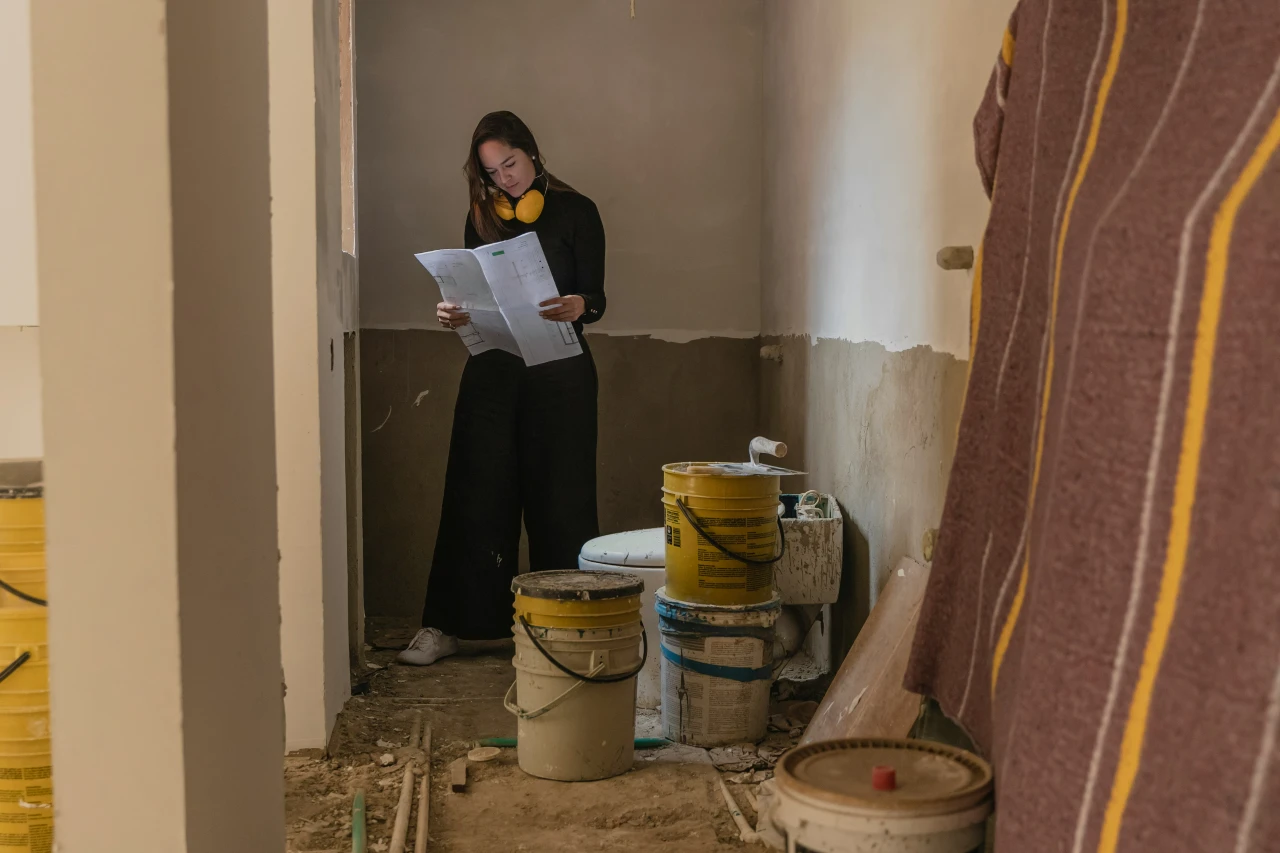
The importance of landlord insurance in your due diligence
One critical step in your due diligence process that many investors overlook is securing proper landlord insurance coverage before closing. The property's insurability and the cost of coverage directly impact your investment returns and risk exposure.
During your due diligence period, contact multiple insurance carriers to get quotes specific to the property you're buying. Some properties are difficult or expensive to insure due to their age, construction type, claims history, or location. Discovering this after you're under contract – or worse, after closing – can turn a seemingly good investment into a money pit.
Review the property's claims history through the Comprehensive Loss Underwriting Exchange (CLUE) report. Multiple claims, especially for water damage or liability issues, can result in higher premiums or difficulty finding coverage. If the property has significant claims history, you might negotiate a lower purchase price to account for increased insurance costs or choose to walk away if coverage isn't available at a reasonable price.
Landlord insurance differs significantly from homeowners insurance in what it covers and what it costs. Standard policies typically include property coverage for the building itself, liability protection in case someone is injured on your property, and loss of rental income coverage if the property becomes uninhabitable due to a covered event. You can also add optional coverages for specific risks like flood, earthquake, or vandalism.
The cost of landlord insurance depends on factors including property value, location, construction type, age, safety features, and your chosen deductibles and coverage limits. Properties with multiple units, older systems, or in high-risk areas will cost more to insure.
Don't skip this step or assume insurance will be affordable. The difference between adequate coverage and going uninsured could be the difference between a minor setback and financial ruin. A single liability claim, fire, or major weather event without proper coverage could wipe out years of rental income and potentially result in personal liability that extends beyond the property value.
Common due diligence mistakes to avoid
Even experienced investors make due diligence mistakes that cost them money. Here are the most common pitfalls to avoid:
First, don't skip professional inspections to save money. A $400 inspection could reveal $40,000 in necessary repairs. Some investors think they can spot problems themselves, but professional inspectors have training and tools to identify issues you'll miss. This is especially important for investment properties where you're not going to be living in the property and observing day-to-day issues.
Second, don't rely solely on the seller's financial information. Verify everything with independent sources. Sellers sometimes inflate rental income, understate expenses, or hide problem tenants. Get bank statements, talk to tenants directly, and calculate expenses yourself based on your own research and insurance quotes.
Third, don't ignore the neighborhood and surrounding area. You might love the property, but if it's in a declining area or the rental market is soft, you'll struggle to find quality tenants and maintain rental income. Drive the neighborhood at different times of day, talk to neighbors, and research local economic trends before committing.
Fourth, don't waive contingencies to make your offer more competitive without understanding the risks. In hot markets, buyers sometimes waive inspection contingencies or shorten their due diligence periods to beat out other offers. This can work if you're an experienced investor who understands the risks, but it's dangerous for newer investors who might miss critical problems.
Finally, don't forget to factor in the time and cost of due diligence itself. Professional inspections, environmental testing, appraisals, surveys, legal review, and other due diligence activities cost money. Budget $1,500-$5,000 or more for thorough due diligence on a typical single-family rental, and more for larger properties. This cost is part of your total acquisition expense and should be factored into your investment analysis.
When to walk away
The whole point of due diligence is to discover whether a property truly makes sense as an investment. Sometimes the answer is no, and you need to be willing to walk away. Here are some red flags that should make you seriously reconsider or terminate the contract:
Major structural issues like foundation problems, serious roof damage, or extensive water damage often cost far more to fix than sellers are willing to credit. If your inspection reveals significant structural concerns, get contractor estimates for repairs and compare them to the property's value and your expected returns. Sometimes it's better to move on to a property that doesn't need major rehabilitation.
If the property's actual expenses are significantly higher than the seller represented, or the rental income is lower, you need to recalculate your returns. Properties that made sense at the original price might not work once you discover the real numbers. Don't fall into the trap of adjusting your projections to make a deal work—if the numbers don't support your investment criteria, walk away.
Title problems that can't be quickly resolved should raise serious concerns. While most title issues can be cleared up, some are complicated and time-consuming. If the seller can't provide clear title by closing, don't proceed with the purchase hoping it will work out later.
Discovering the property violates zoning laws, has illegal units, or operates under grandfathered status that won't transfer to you is a major red flag. You don't want to buy a property that you legally can't operate as intended, even if the current owner has been getting away with it. The risk of being forced to remove units, stop renting, or face fines isn't worth it.
Final thoughts on rental property due diligence
Due diligence when buying real estate is your protection against making a costly mistake. The few weeks you spend investigating a property before purchase can save you from years of financial headaches, legal problems, and poor returns on your investment.
Approach due diligence systematically and thoroughly. Use a comprehensive real estate due diligence checklist, hire qualified professionals, verify all financial information independently, and don't let excitement about a property cloud your judgment. The best investors know when to walk away from a deal that doesn't meet their criteria.
Remember that due diligence isn't just about finding problems – it's about confirming that a property is a sound investment that will meet your financial goals. Take your time, do your research, protect yourself with proper landlord insurance coverage, and make informed decisions based on facts rather than emotions. Your future self will thank you for the effort you put in upfront to ensure you're making a wise investment.




.jpg)




.png)