

If you're a property owner who makes a living renting on short-term platforms like Airbnb and VRBO, sudden damage to your property could make it uninhabitable for tenants and put a serious hole in your cash flow. Landlord insurance will cover the damage itself, but many landlords wonder: does it also cover the rental income they would have received if the property were available?
The answer is yes, and it matters more than most landlords realize. Loss of rent coverage is included as part of standard landlord insurance policies, which means if your rental property becomes uninhabitable due to covered damage like fire, storms, or vandalism, your lost rental income is replaced while repairs are underway.
Not every insurance company includes this protection by default. Many landlords are surprised to learn they'd need to purchase it as a separate add-on elsewhere.
Think about what's actually at stake. A landlord with a property generating $2,500 per month in rental income could face $7,500 in lost income if that property sits uninhabitable for three months after a fire. The mortgage doesn't pause. Property taxes don't pause. That's why this coverage exists.
What is loss of rent coverage?
Loss of rent coverage, sometimes called rental income protection insurance, helps landlords recover lost income when their property can't be rented because of covered damage. Covered events typically include:
This coverage helps landlords keep up with mortgage payments and other ongoing expenses while repairs are made. It's worth understanding how it actually works in practice, because the details matter when you're filing a claim.
How loss of rent coverage works in practice
When a covered event occurs, the claims process begins with documenting the damage and determining whether the property is uninhabitable. An insurance adjuster will assess the property and establish a timeline for repairs. During that period, if tenants can't occupy the space due to safety concerns or lack of essential services like electricity, water, or heat, loss of rent coverage kicks in.
Coverage typically starts from the date the property becomes uninhabitable, not always from the date of the initial damage. That distinction matters. Sometimes a property stays livable right after an incident but becomes uninhabitable once repairs begin. For example, if water damage requires extensive drying and mold remediation, tenants might need to vacate several days after the initial event.
Types of properties covered
Loss of rent coverage applies to a range of rental property types, including single-family homes, multi-unit apartment buildings, condominiums and townhomes, commercial rental properties, and short-term or vacation rentals. Each property type may have specific considerations around how rental income is calculated and what counts as uninhabitable conditions.
When does loss of rent coverage apply?
Coverage applies when your rental suffers damage from a covered peril, that damage makes the property uninhabitable, and repairs prevent you from collecting rent as outlined in your lease agreement. Coverage lasts for the duration of repairs, subject to your policy limits.
Determining uninhabitable conditions
Several factors determine whether a property qualifies as uninhabitable for the purposes of a claim. These include lack of essential utilities like electricity, water, gas, or heat; structural damage that affects safety; the presence of hazardous materials such as mold, asbestos, or lead; damaged access points like stairs or entryways; missing essential fixtures in the kitchen or bathroom; and local housing code violations.
Insurance adjusters typically work with local building inspectors and contractors to make these determinations. The goal is ensuring tenant safety while establishing a clear, documented timeline for restoration.
Documentation requirements
To successfully claim loss of rent coverage, you'll want to have your paperwork in order before you need it. That means keeping current lease agreements showing rental amounts, proof of actual rental income like bank statements or rent rolls, photos and videos of any property damage, contractor estimates and repair timelines, and records of communication with tenants about displacement. The more organized your documentation, the smoother the claim process tends to go.
What's not covered?
Even with loss of rent included in your policy, it's important to know where the coverage stops. Standard landlord policies do not replace rent lost due to tenant nonpayment, vacancies between tenants, evictions or lease disputes, or damage from excluded perils like floods or earthquakes, which require separate policies.
If you want to protect against tenant nonpayment, that's a different product called rent guarantee insurance. Loss of rent coverage has a specific purpose: replacing income when physical damage forces the property offline.
Common exclusions explained
Normal wear and tear doesn't trigger loss of rent coverage. Fading paint, worn carpets, or aging appliances that make a property less desirable but still livable don't qualify. Intentional damage by the owner also won't be covered. And if rental demand drops because of economic conditions unrelated to property damage, that's outside the scope of this coverage. Understanding these boundaries helps you set realistic expectations and think about whether additional coverage makes sense for your situation.
How much does loss of rent coverage pay?
The payout is based on the fair rental value of your property for the time it's uninhabitable, up to your policy's stated limits. The actual amount depends on your property's rental income, the length of time repairs take, and the coverage limits in your policy.
Calculating fair rental value
Insurance companies use a few different methods to figure out fair rental value. The simplest is the lease agreement method, which uses the rent amount written into your current lease. For properties without a current lease, or when lease rates seem outdated, insurers may look at comparable properties in the area to establish a market rate. For short-term rentals with variable income, insurers often review historical earnings data to arrive at an average monthly figure.
Typical coverage limits
Most policies offer loss of rent coverage with limits ranging from 12 to 24 months of rental income, or a percentage of your dwelling coverage, often 20 to 25 percent. Some policies use a dollar cap instead. Landlords in areas prone to severe weather or complex permitting processes may want to look at extended coverage periods, since repairs in those markets can drag on longer than expected.
What landlords should do before filing a claim
Being prepared before a loss happens makes a real difference in how quickly and smoothly a claim gets resolved. A few steps are worth taking now, before anything goes wrong.
First, document your current rental income. Keep copies of signed lease agreements and several months of bank statements showing rent deposits. If you're running short-term rentals, export your earnings history from the platform and save it somewhere secure. Second, do a walkthrough of your property and take dated photos or video. This creates a baseline record of the property's condition that you can reference if damage occurs.
Third, review your policy limits annually. Rental rates change, and if your income has gone up significantly since you first bought coverage, your current limits might not fully replace what you'd lose. A quick annual review keeps your coverage aligned with reality. Finally, keep your contractor contacts up to date. After a major event, getting a licensed contractor to assess damage quickly helps establish the uninhabitable determination sooner, which starts the coverage clock.
It also helps to understand the difference between loss of rent coverage and loss of use coverage, since they sound similar but serve different parties. Loss of use typically covers the tenant's additional living expenses when they're displaced, while loss of rent coverage protects the landlord's income stream. Both can be relevant after the same event.
How geography affects your risk
Where your rental property sits has a direct impact on how valuable loss of rent coverage is. Some regions face higher risks of long repair timelines, which means longer periods without rental income.
In coastal areas like Florida, severe storms can cause widespread damage that stretches contractor availability thin and pushes repair timelines out by months. In Texas, hurricanes and flooding regularly leave rentals vacant for extended periods. In California, wildfires come with additional complications, including environmental assessments, debris removal, and in some cases temporary building moratoriums while communities update safety standards.
Urban markets have their own challenges. Dense cities often have longer permitting processes and tighter contractor schedules, meaning even minor damage can result in a multi-month vacancy while the paperwork moves through the system. If you own property in any of these higher-risk environments, it's worth making sure your coverage limits reflect realistic repair timelines for your area, not just average national figures.
A realistic scenario
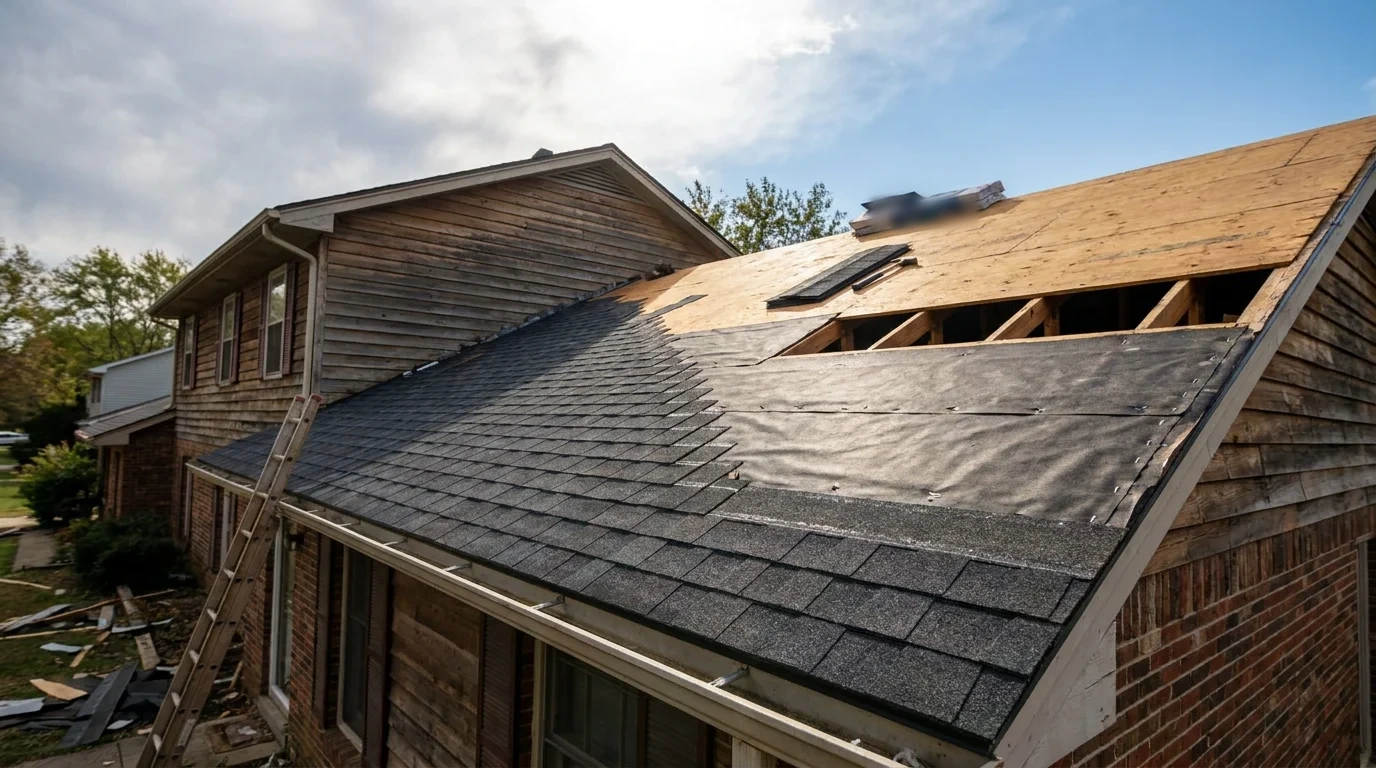
Here's how this plays out in practice. A landlord in Houston owns a single-family rental home bringing in $1,800 per month. A severe hailstorm causes significant roof damage and water intrusion, making the property unsafe for occupancy. The tenant has to move out temporarily.
The adjuster inspects the property and confirms it's uninhabitable. Repairs are estimated at 14 weeks because roofing contractors are backed up after the storm. That's roughly $6,300 in lost rental income. Without loss of rent coverage, the landlord is still paying the mortgage, taxes, and insurance on a property producing zero income. With coverage in place, that income is replaced during the repair period, up to policy limits.
The landlord still deals with the stress of managing repairs, communicating with tenants, and coordinating contractors. But the financial pressure is substantially reduced. That's what this coverage is actually for.
FAQs
Does loss of rent coverage apply when tenants don't pay?
No. Loss of rent coverage only applies when the property is uninhabitable due to covered damage. If a tenant stops paying but the property is still in good condition, that's a different issue requiring a different solution, like rent guarantee insurance.
How long does loss of rent coverage last?
Coverage continues for the time needed to complete repairs, up to your policy limits. If repairs take longer than your coverage period, you'd be responsible for the income gap beyond that point.
Is loss of rent coverage included automatically?
It depends on the insurer. Some include it as a standard part of their landlord policies, while others offer it only as an optional add-on. Check your policy documents or ask your agent to confirm what's included.
Can I get loss of rent coverage for short-term rentals?
Yes. Coverage is available for a variety of rental types, including short-term and mid-term rentals. Income calculations may differ for short-term properties, often relying on historical earnings data rather than a fixed lease amount.
How quickly do loss of rent payments begin?
Payments typically begin once the property is officially deemed uninhabitable and repairs are underway. Most loss of rent provisions don't include a waiting period, unlike some business interruption policies.
What happens if repairs take longer than expected?
If repairs run beyond your coverage period due to unforeseen complications, you'd cover the additional lost income out of pocket. That's why setting appropriate coverage limits upfront matters, especially in areas where extended repair timelines are common.
Can I increase my loss of rent coverage limits?
Most insurers allow landlords to increase loss of rent limits beyond the standard amount, particularly for high-value properties or locations with historically long repair timelines. It's a reasonable adjustment to consider if your rental income is high or your market is prone to major weather events.
Protecting your rental income
Loss of rent coverage exists because property damage doesn't just affect your building. It affects your income, your mortgage, your financial stability. Landlords who carry this protection going into a major event are in a fundamentally different position than those who don't. The repairs are the same either way. The financial pressure isn't.
Whether you own one rental home or a portfolio of properties, making sure your coverage limits actually reflect your current rental income and your local repair environment is worth the effort. Review your policy annually, keep your documentation organized, and understand what your coverage does and doesn't include.
Get a landlord insurance quote today and see what a policy with loss of rent coverage looks like for your property.


.jpg)




.png)