
Most landlords don't realize that water damage on a rental falls into three completely different coverage buckets, and which bucket a claim lands in determines whether the policy pays anything at all. A burst pipe in February is one thing. A toilet backing up because the city sewer line is blocked is something else entirely. Rising water from a flooded river two days into a hurricane is a third thing again. Each one has different policy mechanics, different exclusions, and a different answer to "is this covered."
The carriers and brokers selling landlord insurance rarely make this clear at quote time. The result is that a meaningful percentage of water-damage claims get denied or partially paid because the loss fell into the wrong bucket, and the landlord didn't have the right coverage for that bucket. This piece walks through what each bucket actually covers, how the distinction works in real claims, and how to think about landlord insurance coverage for water across the full risk picture.
The three buckets, in plain terms
Insurance forms split water damage into three categories that look similar from the outside but settle very differently:
- Standard water damage. Sudden and accidental discharge from interior plumbing, appliances, or the roof. Burst pipe, washing machine hose failure, dishwasher leak, water heater rupture, sudden roof leak from a storm. This is the bucket included on most landlord policy forms by default.
- Water back-up and sump overflow. Water that backs up through sewers, drains, or a sump pump. Tree roots in the sewer line, municipal blockage, heavy rain overwhelming the system, sump pump failure during a storm. This is a separate endorsement on most landlord policies, not part of the base form.
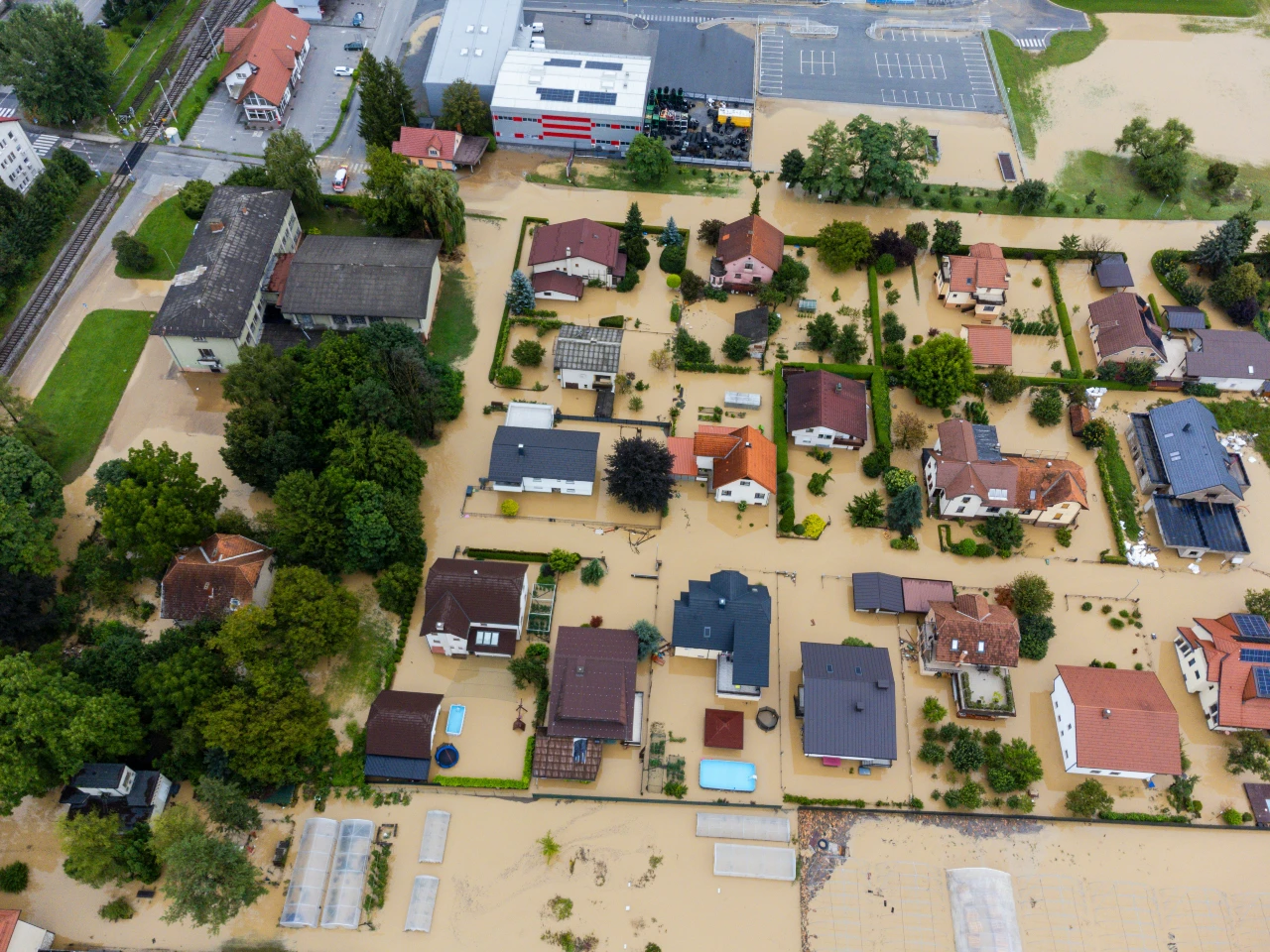
- Flood. Surface water, groundwater, rising bodies of water, runoff from rain or melting snow that accumulates outdoors and enters the building. Storm surge, river overflow, flash flooding. This is excluded from every standard landlord policy and requires a separate flood policy.
The three categories exist because the loss profiles are fundamentally different. Standard water damage is dispersed across the year and tied to interior plumbing maintenance. Sewer backup concentrates during heavy-rain events and in older neighborhoods with municipal infrastructure problems. Flood is catastrophic and geographic, a single storm causing thousands of claims in the same zip code on the same day. Carriers underwrite each one separately because the math is different on each.
Standard water damage: the first bucket
The base coverage on most landlord policies includes sudden and accidental discharge from interior sources. The classic examples are familiar:
- A pipe bursts in a wall during a cold snap and floods two units below.
- A washing machine supply hose lets go and pours water into a finished basement.
- A water heater fails and floods the utility closet.
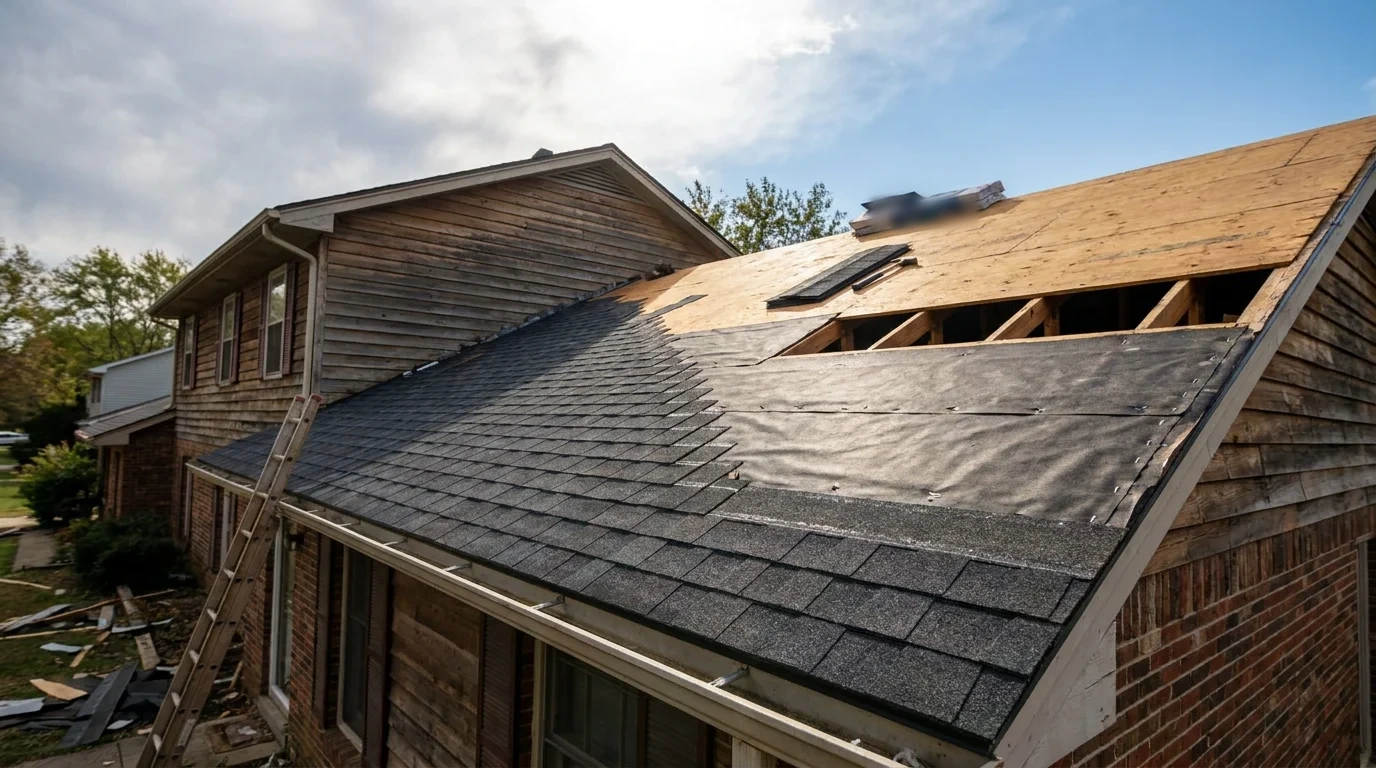
- A roof leak develops during a storm and damages the ceiling below.
- A toilet supply line breaks and floods the bathroom.
The defining test on the policy form is "sudden and accidental." Standard water damage coverage draws a hard line between sudden discharge (covered) and gradual leaks (not), and the boundary between the two is often the entire fight in a denied water claim. A pipe that bursts overnight is sudden. A pipe that's been seeping behind drywall for six months and finally caused visible damage is gradual, and most policies exclude that.
What's excluded from standard water damage:
- Gradual leaks the landlord should have caught during routine inspection
- Damage from continuous or repeated seepage over weeks or months
- Damage to undisclosed pre-existing plumbing problems
- Water damage from the ground up (foundation seepage, basement walls weeping during rain)
- Anything tied to ordinary wear and tear (a 40-year-old pipe finally giving out is a gray area that often gets denied)
The settlement basis matters too. The difference between actual cash value and replacement cost on a water claim can be 30 to 50 percent of the claim total, especially on older rentals where most of the affected materials are depreciated.
Water back-up and sump overflow: the second bucket
This is the coverage most landlords don't know they need until they need it. Water back-up and sump overflow covers damage from water that backs up through sewers, drains, or a sump pump. It is typically not included on the base landlord policy form. It's an endorsement that the landlord adds at quote (or later) with its own sublimit and its own claim mechanics.
The triggers fall into four categories that show up in claims data over and over:
Tree roots in the sewer lateral
The lateral is the pipe connecting the building to the municipal main. On older rentals (1970s and earlier), the lateral is often clay pipe with joints that tree roots can infiltrate. Over time, the roots restrict flow until a heavy use event (a guest weekend, a holiday) backs water up into the lowest fixtures. This is the most common cause of sewer backup claims on single-family rentals.
Municipal main blockage
City sewer mains get blocked by debris, grease accumulation, or collapsed sections. When the main backs up, water comes up through the lowest connected fixtures on the lateral, which is usually a basement floor drain, a basement toilet, or a basement laundry. The landlord didn't cause the blockage but absorbs the damage.
Heavy rain overwhelming the system
In neighborhoods with combined sewer systems (sewer and storm water sharing the same pipe), heavy rain can exceed the system's capacity. When that happens, the municipality intentionally allows backup into individual buildings rather than overflowing into rivers. This is common in older Midwestern and Northeastern cities. Combined sewer overflow events are predictable in pattern and unpredictable in timing.
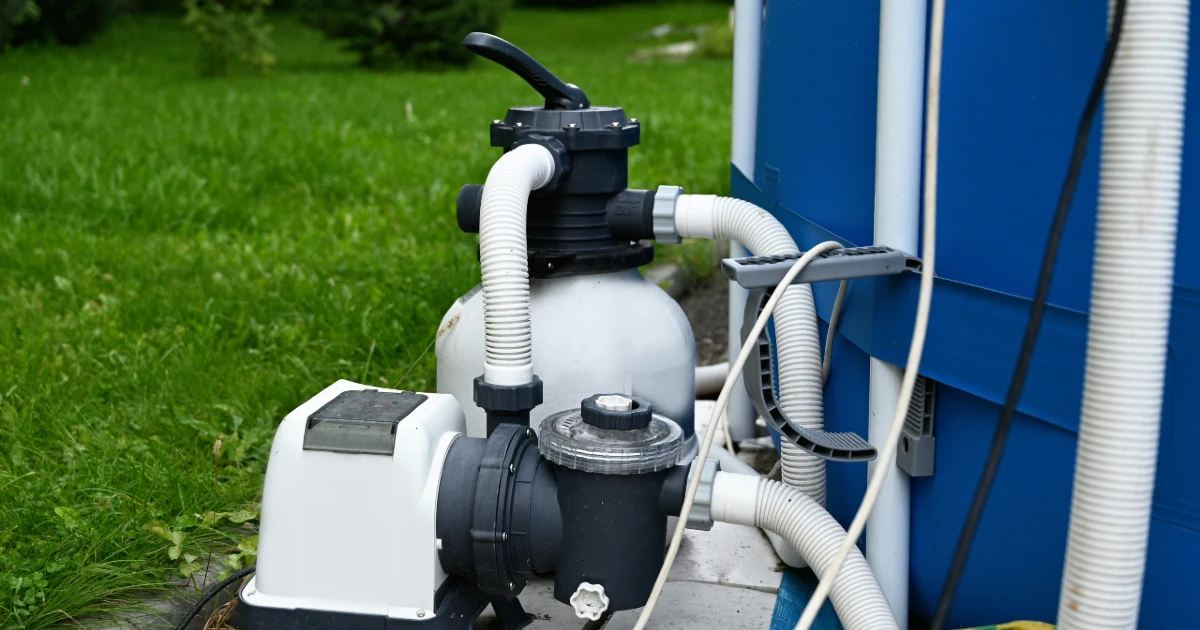
Sump pump failure
A sump pump runs in a pit at the lowest point of the basement and pumps groundwater out before it accumulates. Pumps fail in three ways: power loss during the storm that's also driving the water in, mechanical failure of an old pump, or capacity overrun when the pump can't keep up with inflow. Modern installs include a battery backup specifically because power outages and high-water events tend to coincide.
What water back-up coverage does NOT include:
- Groundwater seepage that pushes through walls or foundation (this is flood, not backup)
- Surface water that enters through doors or windows (also flood)
- Standing water from rain that didn't enter through a drain or sump
- Damage from a pump that the landlord knew was failing and didn't replace
Sublimits on the endorsement matter. Most landlord policies cap water back-up coverage between $5,000 and $25,000. A serious basement backup can run $15,000 to $40,000 once cleanup, contaminated material removal, drying, and repair are all done. Sewer backup water is contaminated (Category 3 water in restoration industry terms), which means it cannot be dried in place. Affected drywall, flooring, and porous materials have to be removed and replaced. The cleanup cost is usually larger than the actual structural damage on a moderate claim.
Flood: the third bucket
Flood is the category that catches landlords off guard most often, because the colloquial definition of "flood" (any water damage in the building) is much broader than the insurance definition. The insurance definition of flood, used in essentially every standard policy form and in the National Flood Insurance Program (NFIP), is narrow and specific:
A general and temporary condition of partial or complete inundation of normally dry land area from overflow of inland or tidal waters, unusual and rapid accumulation or runoff of surface waters from any source, or mudflow.
In plain language: water that comes from outside the building, accumulates outside, and then enters. Storm surge from a hurricane. A river overflowing its banks. Heavy rain that pools in a yard and works its way under a door. Snowmelt that runs across a field and into a basement window well. Flash floods that turn streets into rivers.
Flood is excluded from every standard landlord policy. Always. The exclusion is in the policy form on Day 1, regardless of what state the property is in or what other endorsements the landlord has. The only way to insure against flood is to buy a separate flood policy, either through NFIP (the federal program) or a private flood insurer.
Premium for flood varies by zone. A property outside FEMA's Special Flood Hazard Area (SFHA) typically runs $400 to $800 a year for NFIP coverage. A property inside the SFHA can run $1,500 to $4,000 or more depending on flood zone and elevation. Private flood often beats NFIP on price for non-coastal properties, especially in Florida and Texas where the private flood market has grown significantly since 2018.
The 30-day waiting period on NFIP is the trap landlords miss. A flood policy purchased today doesn't take effect for 30 days. Buying flood coverage two days before a hurricane lands is too late.
Which bucket does this loss fall into?
The most useful framing is the disambiguation table, because most landlords don't read the policy form until after a loss, and the adjuster's classification in the first 24 hours decides which coverage responds.
ScenarioBucketBurst pipe in winter, flooded apartment belowStandard water damageToilet backing up because main sewer line is cloggedWater back-up / sump overflowRiver overflows during a storm, ground floor inundatedFloodHeavy rain, basement floor drain backing upWater back-up / sump overflowHeavy rain, water seeping through basement wallsUsually not covered (foundation seepage exclusion)Roof leak from storm damageStandard water damageSump pump fails during storm, basement floodsWater back-up / sump overflowHurricane storm surge floods first floorFloodSlow water heater leak over weeks, drywall ruinedUsually not covered (gradual leak exclusion)Frozen pipe bursts, contents and structure damagedStandard water damage (subject to vacancy clause if unit was empty)
The trap most landlords don't notice: scenarios that look like a single event often involve two or three buckets at the same time. A storm causes a roof leak (standard) and a sewer backup in the basement (endorsement) and surface flooding in the yard (flood). One loss event, three coverage paths, three different settlement processes. The landlord without all three coverages absorbs the gap.
State variations that change the calculus
Coastal hurricane states
Florida, Louisiana, the Carolinas, and coastal Texas have the highest flood exposure in the country. NFIP and private flood are not optional for properties in these regions, especially within or adjacent to FEMA's Special Flood Hazard Area. Hurricane Harvey in 2017 revealed how many Texas landlords were under-insured on flood, and the rebuild costs across that storm exceeded $125 billion. Florida properties also face the strictest interpretation of the flood-vs-water-damage line at claim time, with carriers regularly denying water claims as "flood" when the source is ambiguous.
Midwestern and Northeastern combined-sewer cities
Older cities with combined sewer systems (Chicago, Detroit, Cleveland, Pittsburgh, New York, Boston, Philadelphia) see frequent sewer back-up events during heavy rain. Water back-up endorsements are more valuable in these markets than almost anywhere else. Landlords in these cities should expect to use the endorsement at least once per decade on any property with a basement.
Cold-climate states
Burst pipe claims peak in Minnesota, Wisconsin, Michigan, and the upper Midwest during the first severe cold snap each winter. Vacancy clauses become important here, because an unoccupied unit with no heat in February is the exact scenario that produces a frozen-pipe claim and the exact scenario where carriers look at the vacancy timeline to decide whether to deny.
Arid and low-flood-risk states
California, Arizona, and Nevada have lower baseline flood and sewer-backup exposure. Standard water damage from interior plumbing remains the dominant claim category. Many landlords in these states skip the water back-up endorsement and the flood policy, which is usually fine but creates real exposure on the small subset of properties that do face risk (low-elevation coastal California, riparian-zone properties near rivers, anything within an alluvial fan in the Southwest).
The endorsement decision: should you add water back-up coverage?
For most landlords, yes. The trigger conditions exist on essentially every rental property: every property has plumbing, most have sewer connections, many have basements with sump pumps. The probability of using the endorsement at least once during a 10-year hold is meaningful in any climate. The cost of the endorsement is small relative to the typical claim size. The math works on almost every property.
The cases where the endorsement is harder to justify:
- Newer construction (post-2010) with no basement and modern sewer connections in a low-precipitation region
- Properties on septic systems (the sewer-line cause goes away, though sump and drain backups still apply)
- Slab-on-grade construction in arid climates
Everywhere else, water back-up coverage is one of the cheapest pieces of meaningful protection on a landlord policy.
The flood decision: do you need separate flood insurance?
The question for landlords is genuinely binary:
- Property inside FEMA's Special Flood Hazard Area (SFHA): yes, you need flood coverage. The lender requires it for any federally backed mortgage. Even without a mortgage, the exposure justifies the cost.
- Property outside SFHA but in a state with hurricane, riverine, or flash flood history: strongly consider it. About 25% of flood claims come from properties outside the SFHA, where landlords often skip coverage because the lender doesn't require it.
- Property in a low-flood state with no historical exposure: probably skip it. Premium dollars are better spent elsewhere on the policy.
Check FEMA's flood map service for the specific property before deciding. Maps have been updated in many regions over the past five years, and properties that were outside the SFHA a decade ago may be inside it now.
What to do when water damage actually happens
The first 24 hours determine the claim outcome more than landlords realize. The sequence that protects the claim:
- Stop the source if possible. Shut off water at the main, kill power to the affected area if water reached electrical, call the city if the backup is from the municipal side.
- Document with photos before any cleanup. The adjuster's classification of the loss depends on what they can see, and what they can see depends on what was photographed before remediation started.
- Identify the source clearly. Was the water from an interior pipe (standard) or from a drain or sump (back-up) or from outside the building (flood)? This is the question the adjuster will ask. Have an answer ready.
- Notify the carrier within the policy's reporting window. Usually 72 hours to 30 days. Earlier is better. The broader landlord insurance claims process walks through the rest of the mechanics.
- Get a remediation vendor on site quickly. Contaminated water (sewer backup, anything that touched the floor of a flooded space) loses recoverable materials by the hour. Drying within 24 to 48 hours saves drywall, flooring, and cabinetry that's otherwise lost. Most adjusters will approve emergency mitigation before the formal claim is open.
- Distinguish the buckets in the documentation. If a single event involved more than one category, document each one separately. Adjusters tend to default-classify ambiguous claims as the category least favorable to the landlord; clear documentation prevents this.
If a rebuild after a covered total loss is involved, current building codes will often require upgrades that didn't exist when the property was originally built. Ordinance or law coverage pays the difference between original-grade rebuild and current-code rebuild on a covered loss; it's the companion coverage to any meaningful water damage claim on an older property.
How Steadily handles the three buckets
The three water-damage categories sit in different places on a Steadily landlord policy.
Standard water damage (sudden and accidental discharge from interior sources) is covered under the base policy form on both DP1 and DP3 policies, subject to the gradual-leak exclusion and the property's settlement basis. DP1 vs DP3 changes how the settlement works (ACV vs RCV), which on water claims with older finished materials usually matters more than the premium difference between the two forms.
Water back-up and sump overflow is offered as an endorsement on the Steadily policy form and is added to the policy at quote when selected. The sublimit is set during the quote process based on property type and exposure. Damage caused by the back-up is paid up to the sublimit, with the same claim mechanics as other policy claims, subject to the policy deductible.
Flood is not part of the landlord policy under any form. For properties in flood-prone areas, Steadily provides referrals to NFIP and private flood policy partners so that the full water-damage picture has coverage from end to end. The conversation should happen at quote, before a claim, so that the policy form, the endorsements, and any separate flood policy are aligned for the specific property and its specific risk profile.
Frequently asked questions
Does landlord insurance cover sewer backup?
Sewer backup is typically not included on the base landlord policy form. Coverage requires the water back-up and sump overflow endorsement, which is added to the policy at quote with its own sublimit (usually $5,000 to $25,000). Without the endorsement, a sewer-line backup that floods the basement is not covered.
Does landlord insurance cover sump pump failure?
Sump pump failure that allows water to accumulate in the building is covered under the water back-up and sump overflow endorsement, the same place sewer backup sits. The endorsement is what makes both scenarios payable. Without it, the failure is not covered.
What's the difference between water damage and flood?
Water damage on a standard policy is sudden and accidental discharge from interior sources (pipes, appliances, roof). Flood is surface water, groundwater, or rising water from outside the building accumulating outdoors and entering. The two are mutually exclusive on the policy form. Standard policies cover the first; flood requires a separate policy.
Do I need flood insurance on a rental?
If the property is inside FEMA's Special Flood Hazard Area, yes, and a federally backed lender will require it. If the property is outside the SFHA but in a state with hurricane, riverine, or flash flood exposure, strongly consider it. About 25% of flood claims come from properties outside the mapped high-risk zones.
Does landlord insurance cover basement flooding?
It depends on the source of the water. If a pipe burst inside the building and flooded the basement, that's standard water damage and is covered on the base policy. If water came up through a floor drain or sump pump, that's the water back-up endorsement (separate coverage). If water entered the basement from outside (through walls, windows, or doors), that's flood and requires a separate flood policy.
What's the typical limit on water back-up coverage?
Most landlord policies offer the endorsement with sublimits between $5,000 and $25,000. Larger limits are available on most carriers for an additional premium. A serious basement backup can run $15,000 to $40,000 once cleanup, contamination remediation, and repair are all done, so most landlords with full basements should consider the higher end of the available range.
Is water back-up coverage worth it?
For almost every rental property with a basement or sewer connection, yes. The premium is small relative to a single typical claim, and the probability of using it during a 10-year hold is meaningful in most climates. The cases where it's harder to justify are newer construction on slab-on-grade in arid regions, and properties on septic systems where the sewer cause goes away.
Does Steadily cover water back-up and sump overflow?
Yes, when the endorsement is added to the policy at quote. Coverage applies up to the selected sublimit, with the same claim mechanics as other policy sections, subject to the policy deductible.


.jpg)




.png)