Fast, affordable landlord insurance


One of the best-rated landlord insurance services in America


.png)


What is landlord insurance?
Landlord insurance is a policy that protects rental property owners from property damage, liability claims and lost rental income.
It covers risks specific to renting out a home that a homeowners insurance policy typically does not. A standard landlord policy would include:
.jpg)

Who is landlord insurance for?
Landlord insurance is designed for anyone who rents out residential property and needs protection against tenant-related risks. Whether you're just starting out or managing multiple units, this coverage protects your investment and income. Landlord policies are desigend formay:
Landlord insurance vs. homeowners insurance explained
Landlord insurance

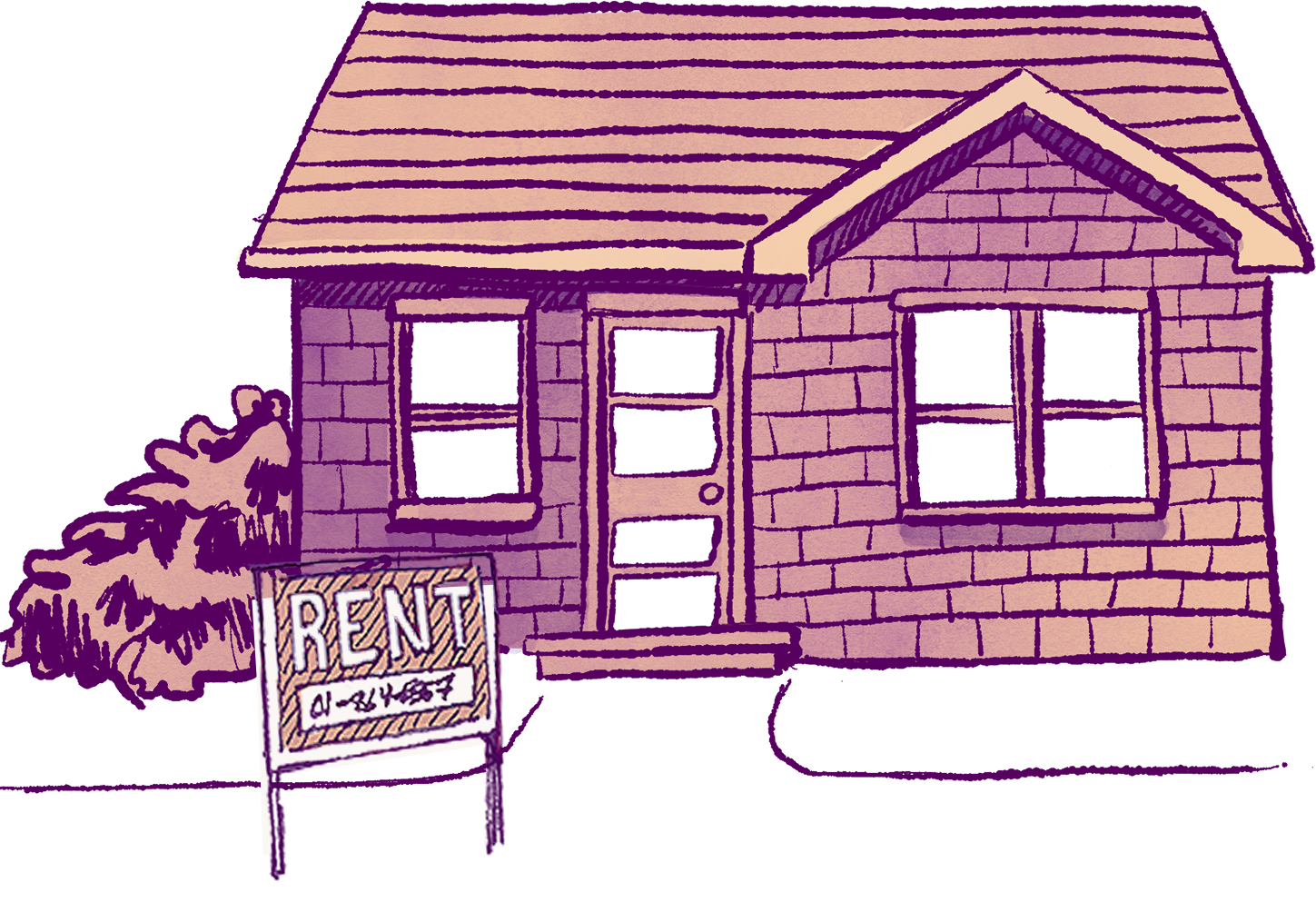
Homeowners

Properties we look after
We make it easy to get landlord insurance for many types of properties
We also cover short-term rental properties, such as Airbnbs and VRBOs
.webp)
.webp)
.webp)
.webp)
.webp)
What does landlord insurance cover?
We cover a wide range of risks, or you can choose a limited set of coverages for a lower premium

Riot & civil commotion
Covers damage to your rental property caused by riots, civil unrest, and public disturbances.

Vandalism & burglary
Covers damage made to your rental property by a burglar or a vandal, such as broken windows or defacements made to walls or exterior structures.

Loss of rent
Covers lost rental income for when your rental becomes uninhabitable due to covered perils, or while the repairs are being made.

Storm and hail
Covers damage to your rental property caused by storms, hail, wind and lightning - such as fallen trees or hail punctures in roofing structures.

Water
Covers certain water damage not caused by flooding, including burst pipes, HVAC leaks and plumbing overflows.

Legal liability
Covers legal fees and costs if a tenant or guest is injured at your rental property, or if they make a legal claim against you.

Fire
Covers damage from fire, smoke and related events, such as wildfires, accidental kitchen fires or electrical fires caused by malfunctioning appliances.
Landlord insurance for all 50 states
FAQs
about landlord insurance
Do I really need landlord insurance for my rental property?
It's not required by law, but landlord insurance is highly recommended if you want to protect your rental property investment. Your mortgage lender almost certainly requires it, and even if you own the property outright, your homeowners insurance won't cover rental activity, meaning you could be completely uninsured if a tenant causes damage, someone gets injured on your property, or you face a lawsuit. Most need a DP-1 or DP-3 policy covering the dwelling, liability, and loss of rental income, though short-term rentals require specialized coverage since standard policies exclude Airbnb and Vrbo activity.
How much landlord insurance coverage do I need?
Most landlords desire enough coverage to fully rebuild their property at current construction costs (not market value), plus liability coverage depending on comfort level and risk exposure. Higher liability limits are recommended if you own multiple properties or rent to higher-risk tenants. Short-term rental owners should consider even higher liability limits since transient guests create more liability exposure than long-term tenants. Bottom line: get enough dwelling coverage to rebuild completely, and enough liability coverage to sleep at night.
What are the most important endorsements and add-ons?
It again depends on your property and risk profile, but several are worth considering. Flood and earthquake coverage are separate policies since standard landlord insurance excludes these perils, and they're essential if you're in high-risk areas. Equipment breakdown coverage protects expensive systems like HVAC, boilers, and electrical panels beyond basic mechanical failure. Excess liability and umbrella policies provide additional liability coverage above your base policy limits, which is valuable if you own multiple properties or want extra protection. The key is evaluating your specific risks such as location, property age, tenant type, and asset value – then adding endorsements that fill the gaps in your base policy.
Get coverage in minutes
No hidden cancellation fees. Competitive rates nationwide.